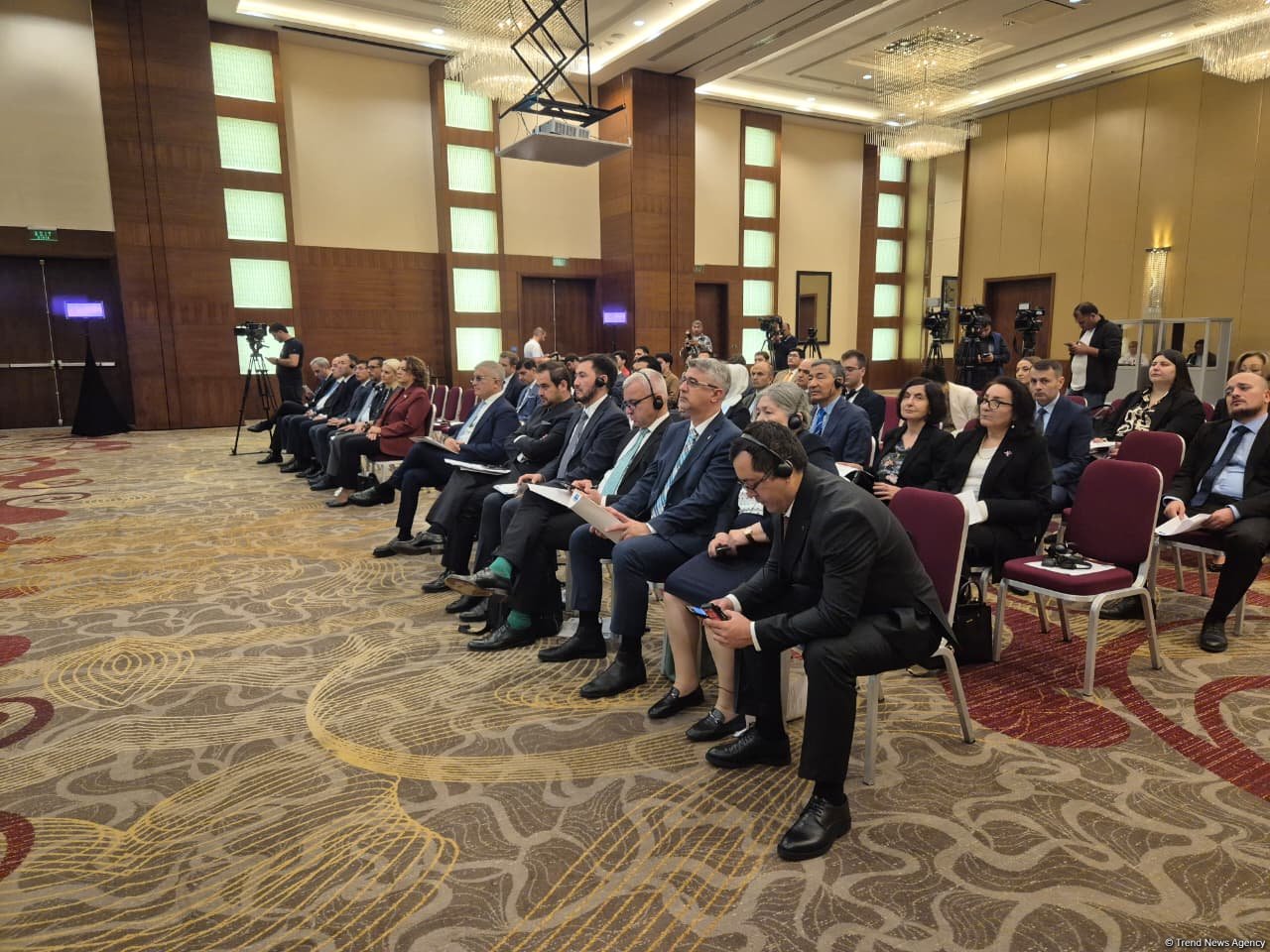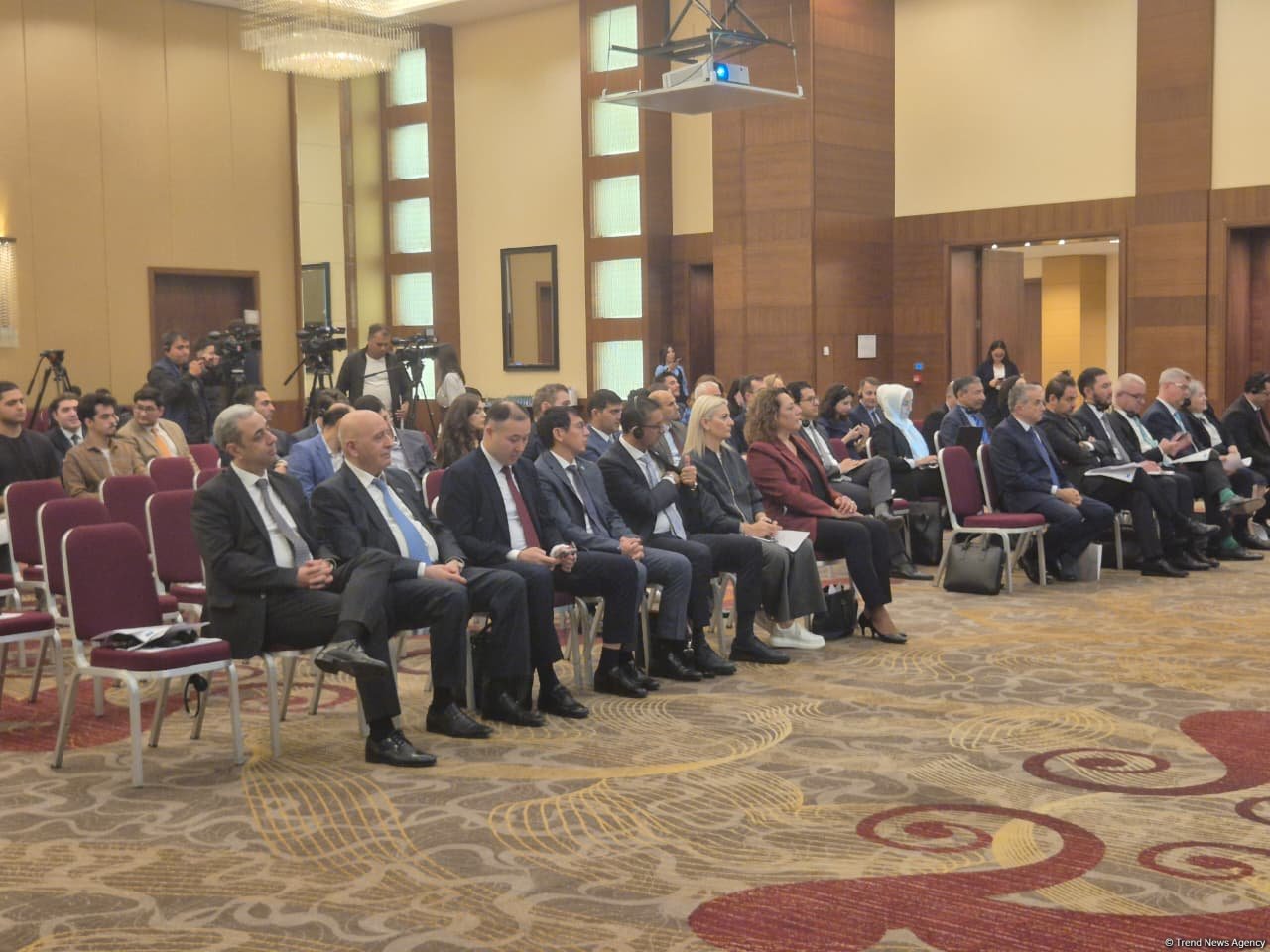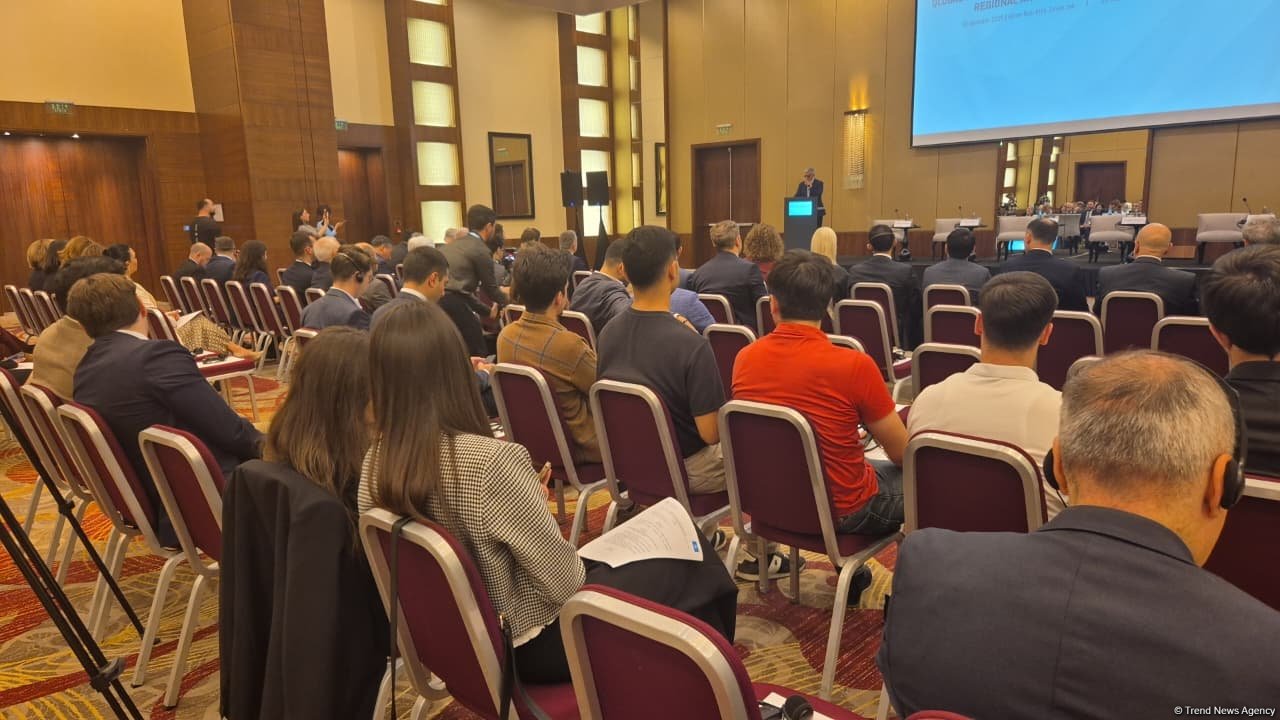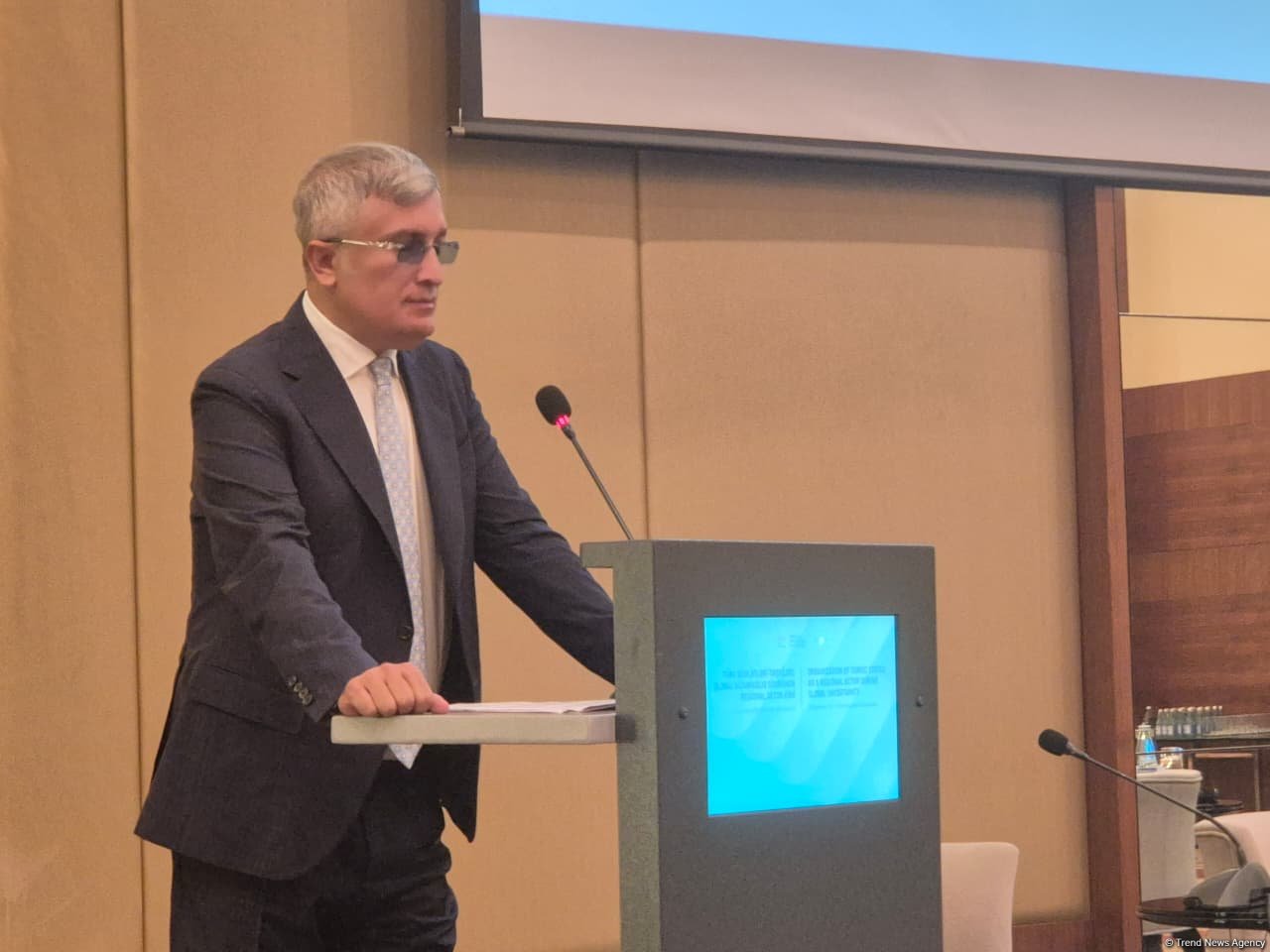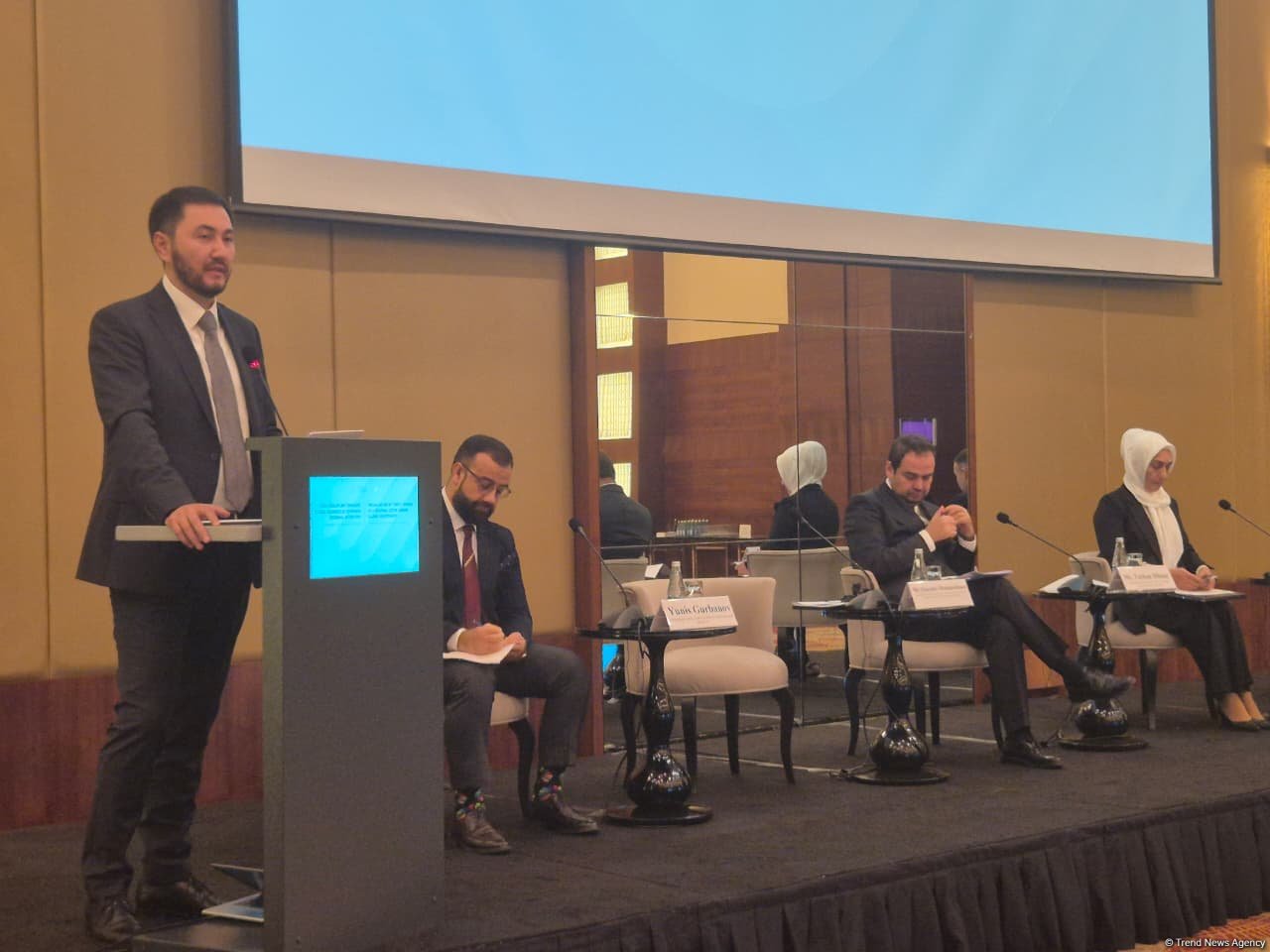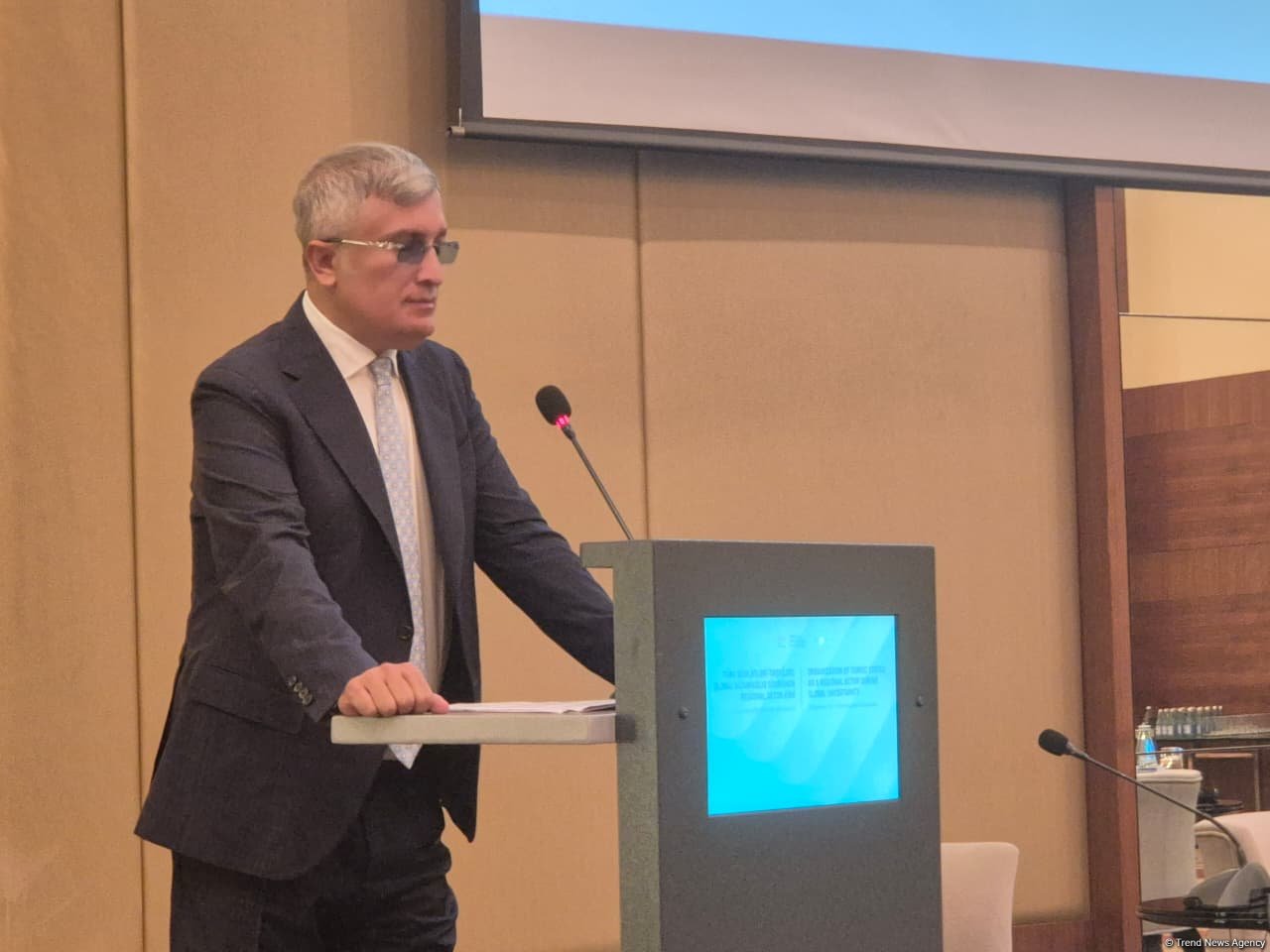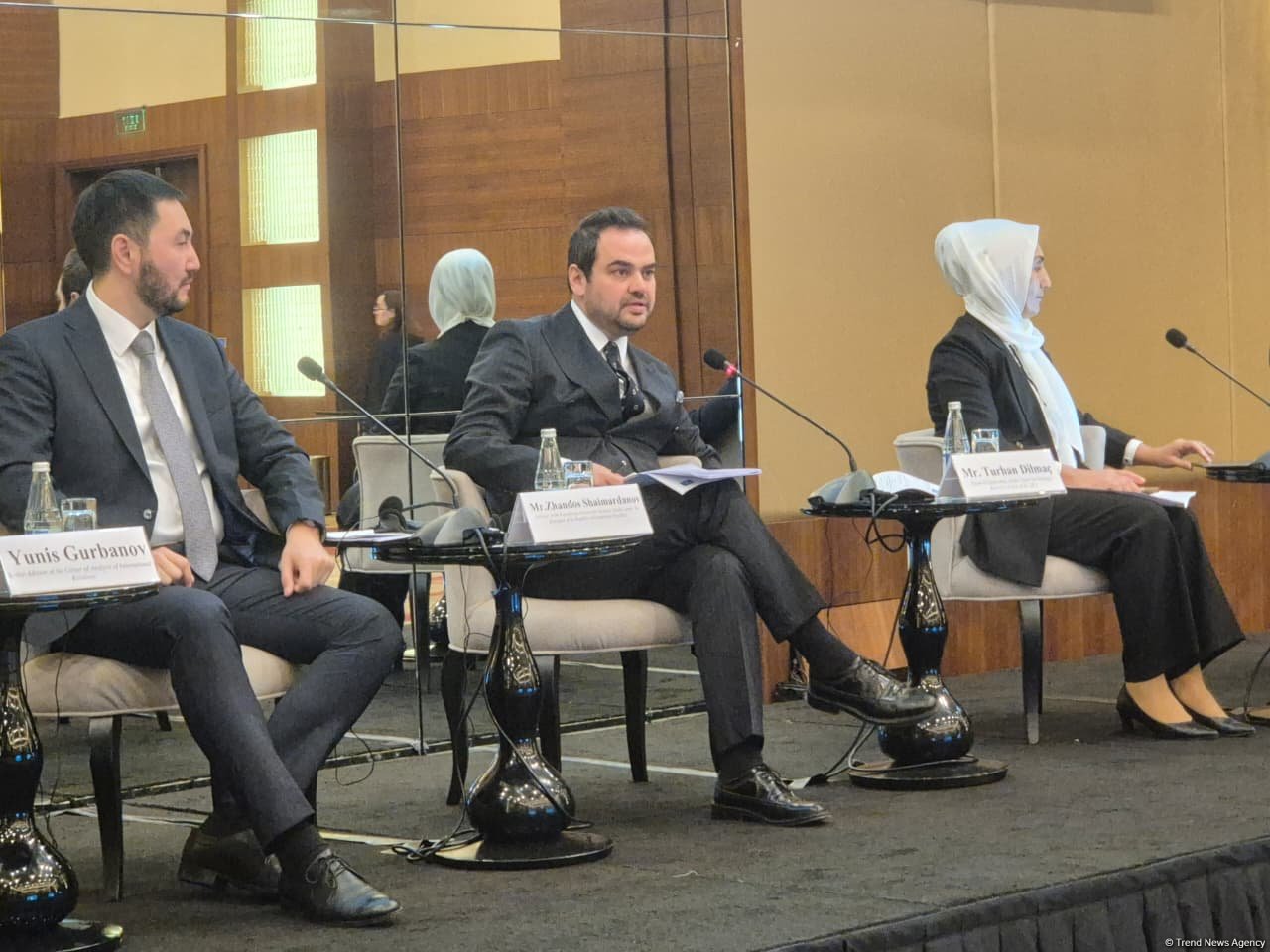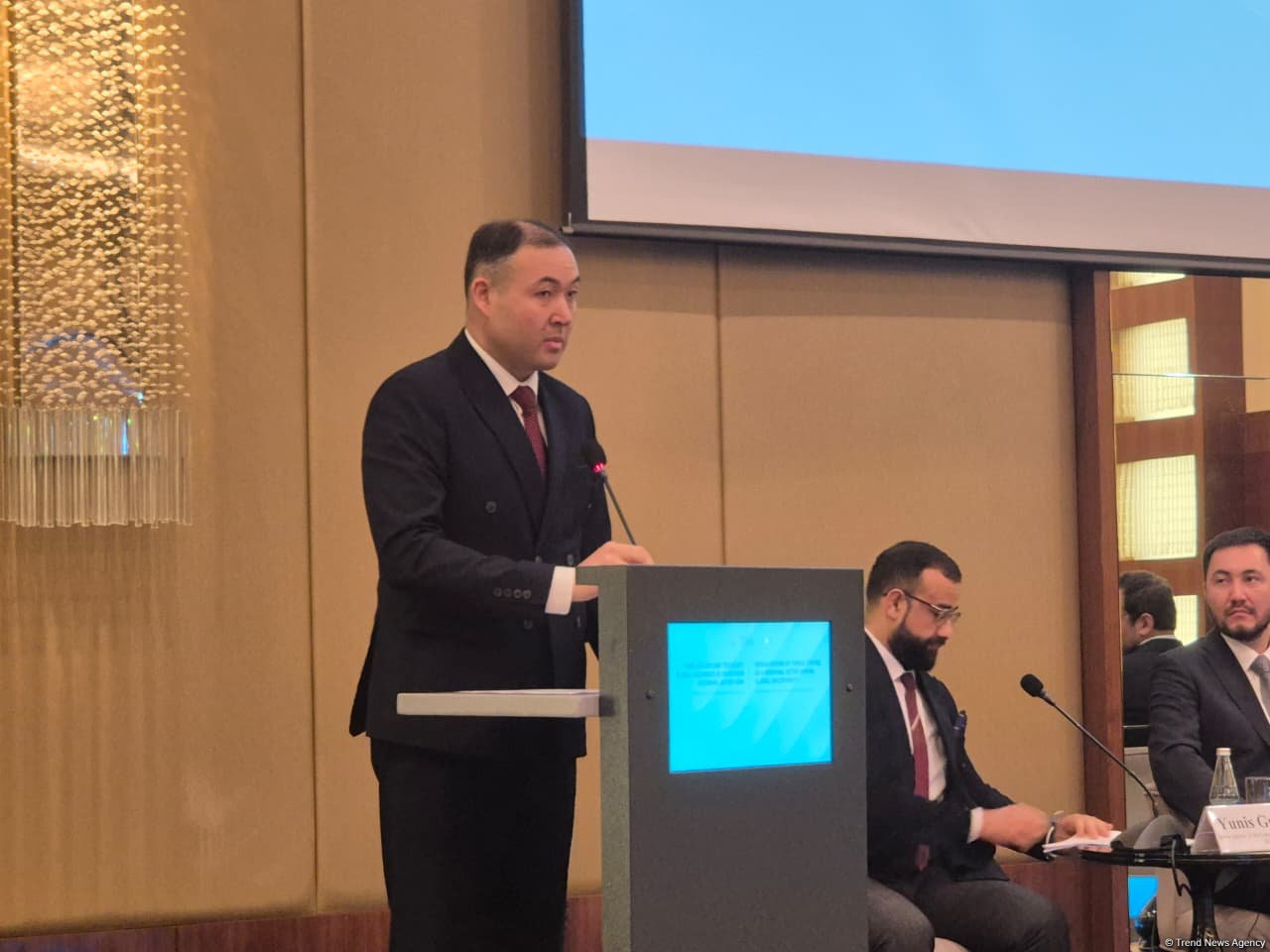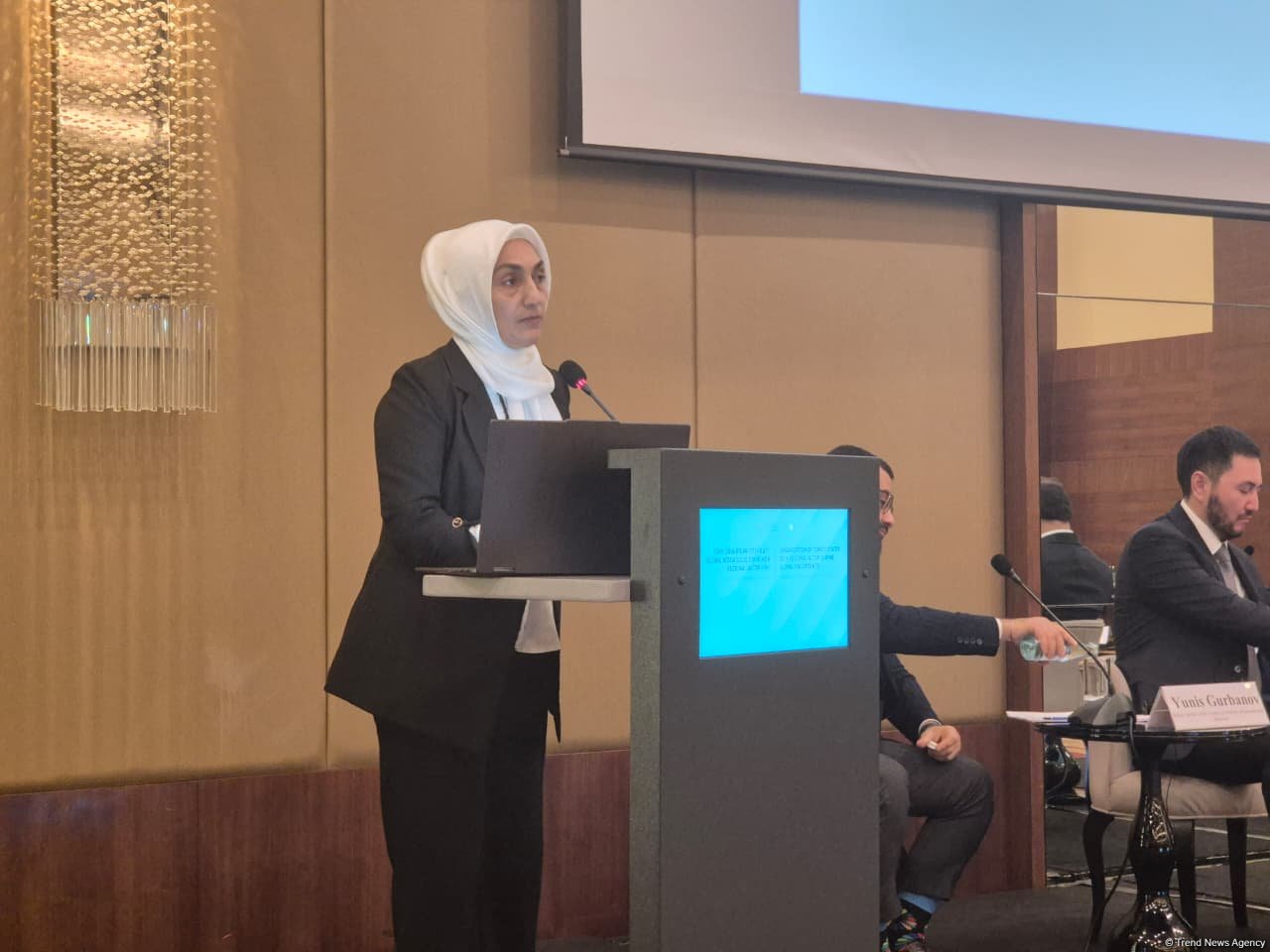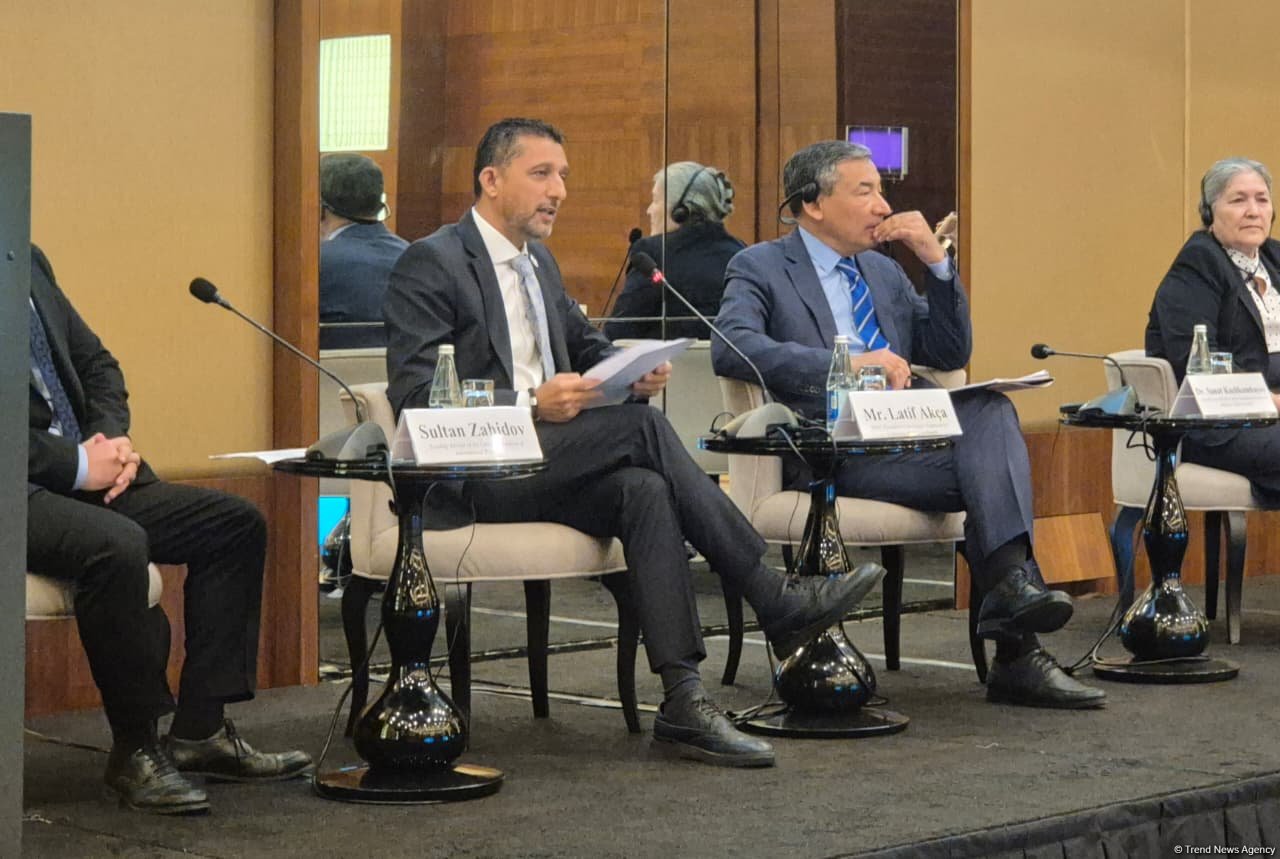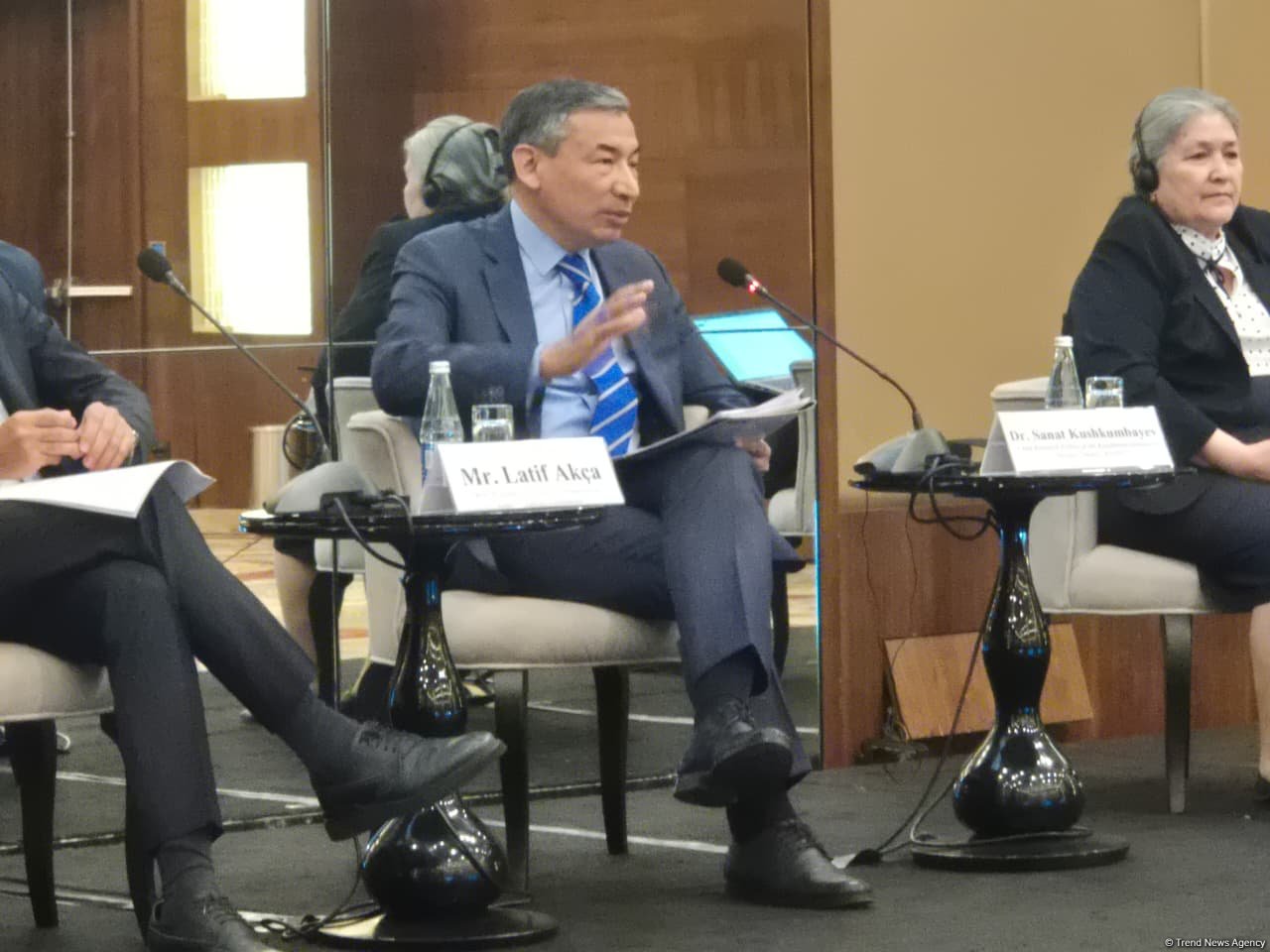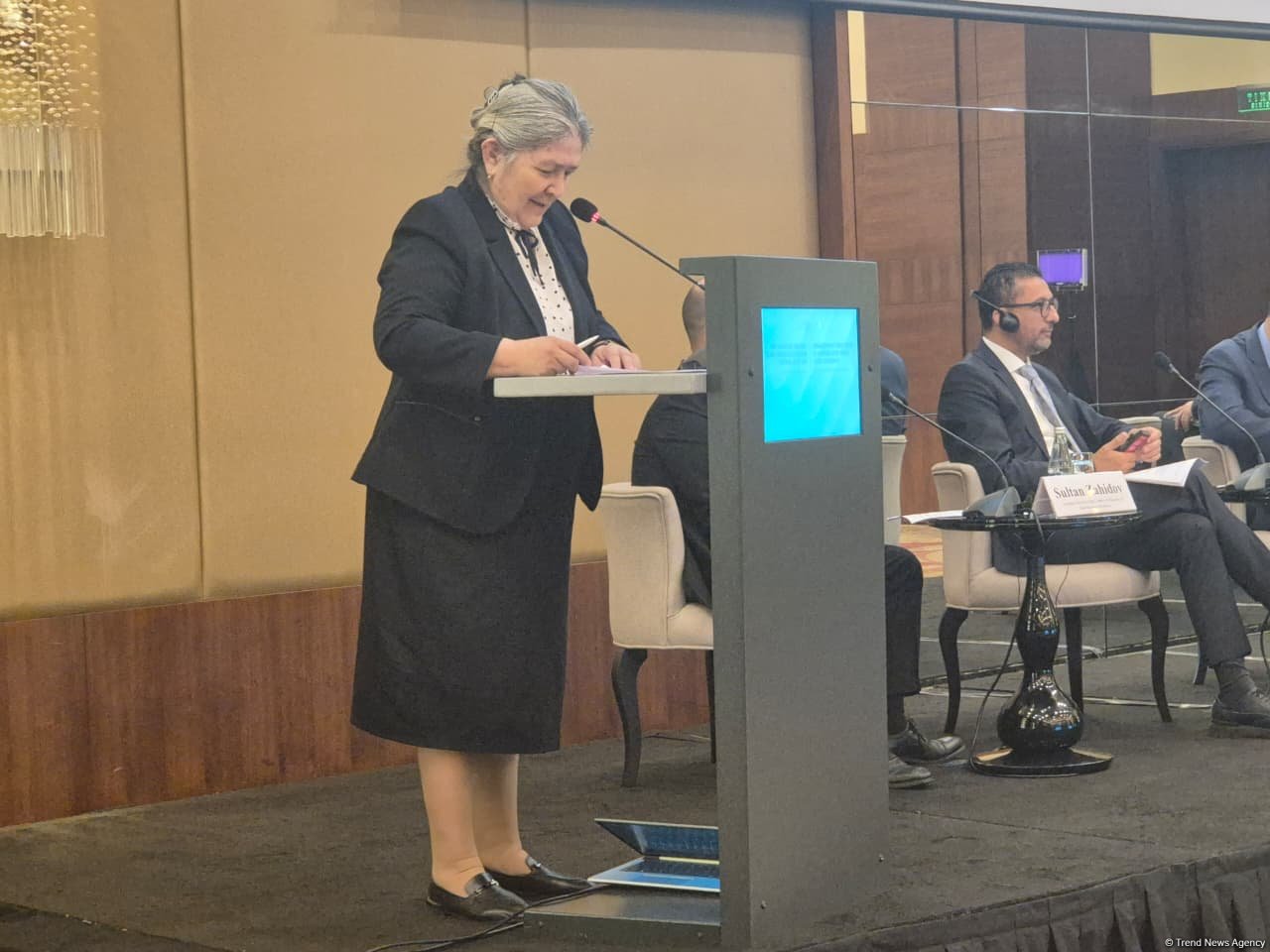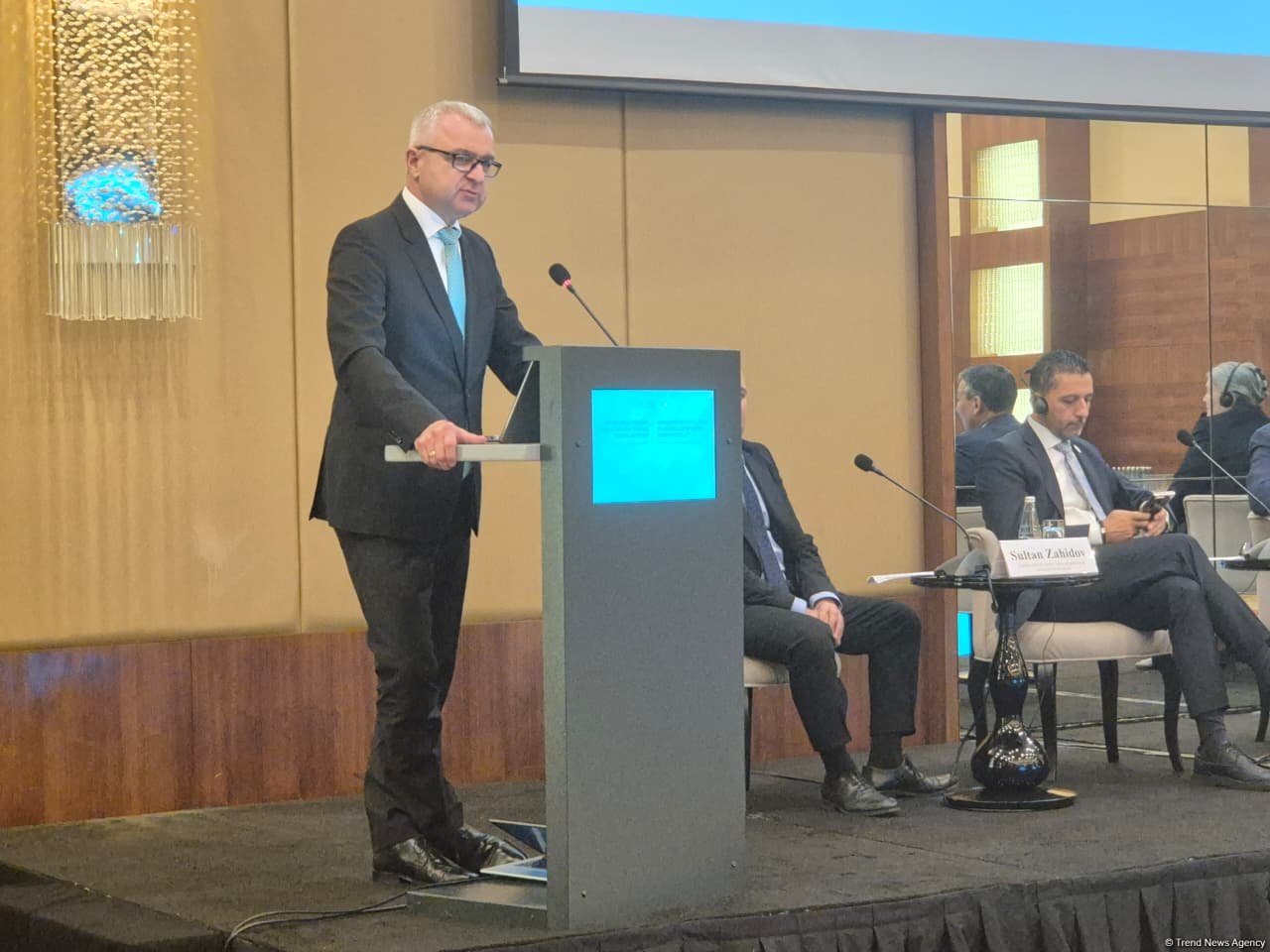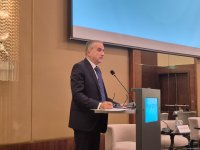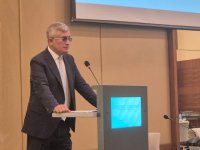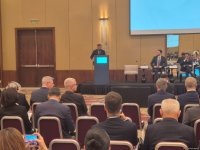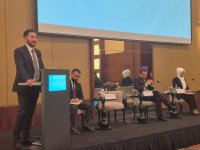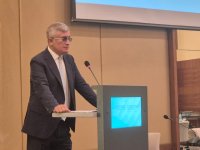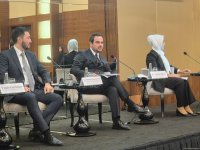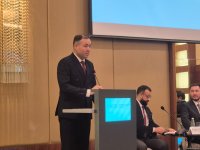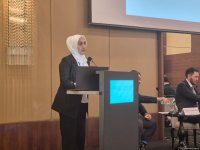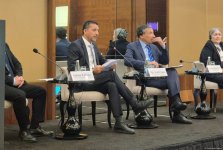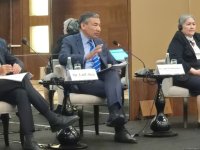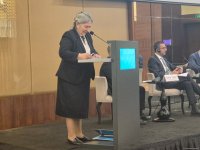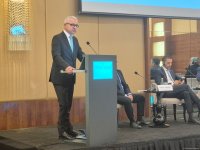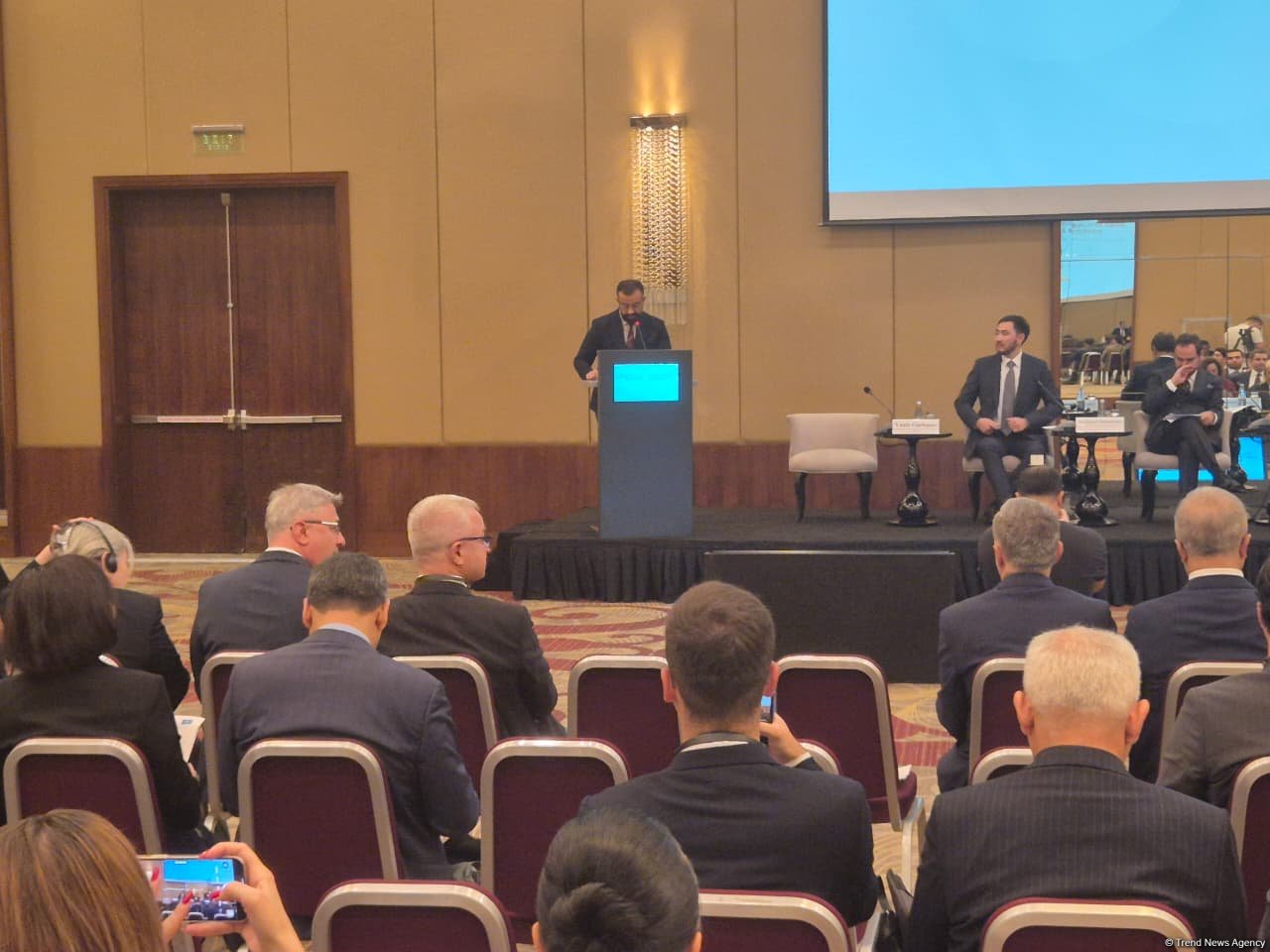
BAKU, Azerbaijan, September 29. A conference of think tanks from member states of the Organization of Turkic States (OTS) was held in Baku, Trend reports.
The conference, entitled “Organization of Turkic States as a Regional Actor in Global Uncertainty,” was held under the auspices of the Center for Analysis of International Relations.
Participants discussed the role of the OTS in the modern system of international relations, the strategic challenges it faces, and new opportunities for cooperation among member countries. The event served as a platform for intellectual exchange with the aim of strengthening the Organization's position at the regional and global levels.
Panel sessions during the conference covered topics such as: Contributions of the OTS to World Peace and Stability in an Era of Political-Security Uncertainty; Contributions of the OTS to the World Economy, Trade, and Transportation in a Period of Economic Instability; The OTS Policy on Culture, Science, and Parliamentarism in Times of Global Uncertainty.
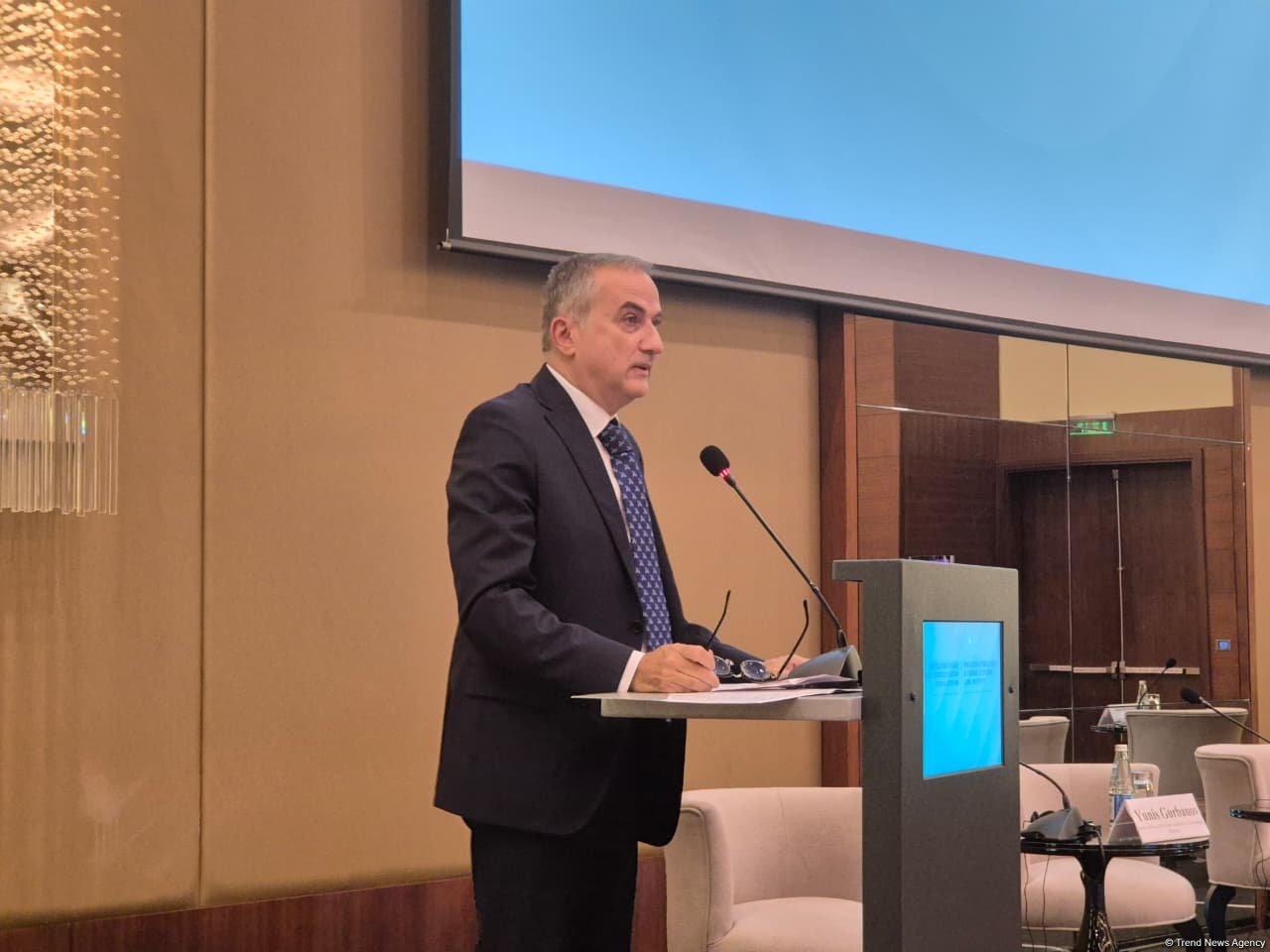
Addressing the participants of the event, Farid Shafiyev, Chairman of the Board of the Center for Analysis of International Relations, noted that one of the main factors making cooperation between Turkic states necessary is the growing threats and risks in the world.
"It is practically impossible to face these challenges alone. That is why we are seeing an increase in the number of alliances and formats for cooperation between states. To date, Azerbaijan has concluded alliance agreements or declarations with four countries, three of which are Turkic states. Strengthening our cooperation allows us to develop a more sustainable position in the face of existing risks and threats," he said.
Director of the Kazakhstan Institute for Strategic Studies under the President of the Republic of Kazakhstan, Zhandos Shaimardanov emphasized the importance of energy and digital initiatives within the framework of the OTS, including the project of a “green” energy corridor across the Black Sea and an underwater fiber-optic line between Azerbaijan and Kazakhstan. Together, they could form a Caspian-Black Sea “double corridor” combining electricity and data supplies.
“Shared infrastructure creates shared interests. When states are interdependent in energy and digital connectivity, they develop a habit of cooperation, which builds trust and reduces vulnerability,” he said.
Further, OTS Deputy Secretary General Ömer Kocaman emphasized the importance of the twelfth OTS summit on “Regional Peace and Security,” which will be held on October 6-7 in Gabala. He stressed that Azerbaijan plays a bridging role in the Turkic world, especially in the areas of trade, transport, and connectivity, and expressed confidence that the discussions at the current conference will contribute to the preparation of the upcoming summit.
In turn, Turhan Dilmaç, head of the Strategic Research Center (SAM) at the Turkish Ministry of Foreign Affairs, noted that the OTS should be viewed not as a “third bloc” opposing other countries, but as a source of stability in the region and beyond. Among the areas where the OTS can contribute to global stability, Dilmaç highlighted dialogue and mediation, the fight against terrorism and extremism, the development of connectivity and economic sustainability, humanitarian solidarity, cultural diplomacy, and youth engagement.
Vusala Jafarova, head of the Center for Research on the Turkic World at the Center for Economic Reform and Communication Analysis, added that the OTS could serve as an effective platform for the development of a “green” energy corridor involving the countries of Central Asia.
“Energy security is a fundamental part of national and regional stability. Without diplomacy, it is impossible to create effective energy corridors and ensure energy exports,” the expert stressed.