



ASTANA, Kazakhstan, May 22. To date, more than 6,700 agricultural producers in Kazakhstan have received financing totaling more than 440 billion tenge (about $880 million), Trend reports via the Ministry of Agriculture of Kazakhstan.
Notably, for the first time in history, 100 billion tenge (approximately $200 million) was allocated by the Corporation at the end of November 2024 as part of a new early financing mechanism for farmers to prepare in advance for the sowing campaign.
“For the same period last year, more than 3,300 farmers were financed for a total of 131 billion tenge (approximately $262 million), which is 3.3 times less than in 2025, demonstrating significant improvements in the Corporation’s mechanism for providing credit,” the Ministry of Agriculture stated.
The ministry noted that the program provides farmers with access to financial resources under the most favorable and convenient conditions, with loans issued at an annual interest rate of 5 percent.
To ensure access to financing, an active loan guarantee program is being implemented by the Entrepreneurship Development Fund “DAMU”, covering up to 85 percent of the loan amount. In 2025, 1,030 guarantees totaling 151 billion tenge (approximately $302 million) have already been issued.
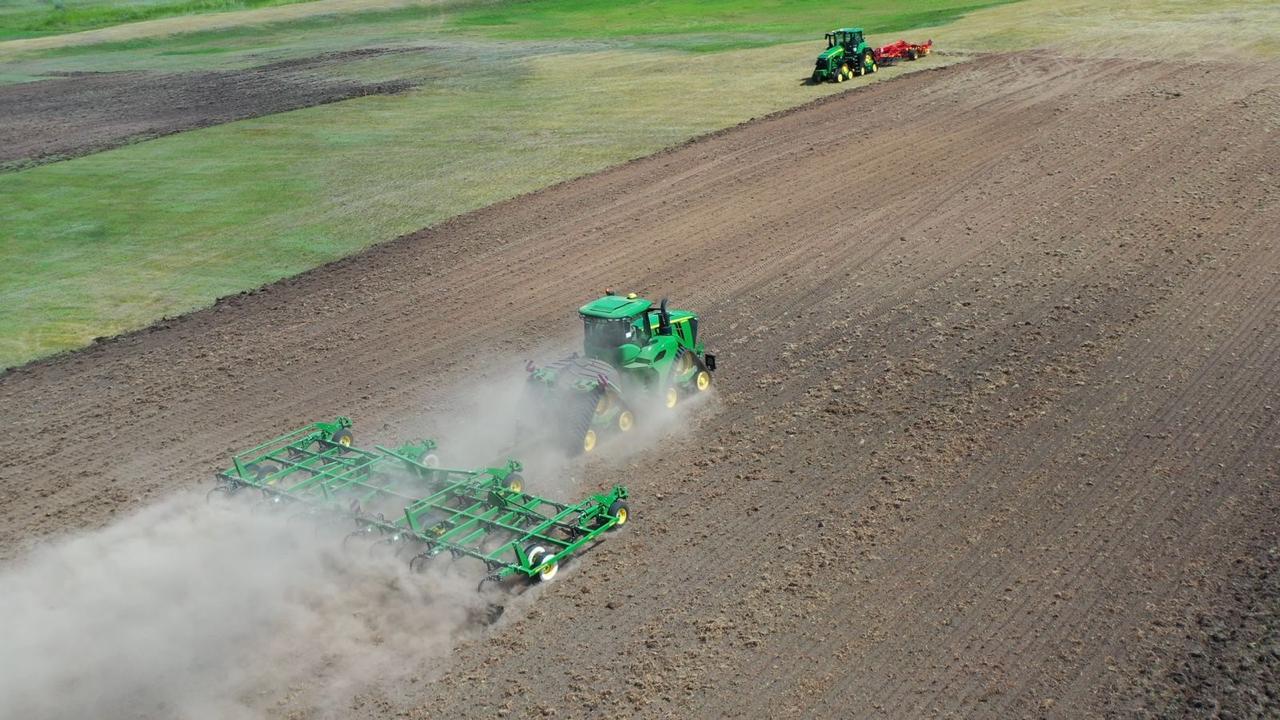
In addition, the preferential leasing program for agricultural machinery at a 5 percent annual interest rate continues. The total funding limit for the current year is 200 billion tenge (approximately $400 million). This will enable farmers to purchase more than 6,000 units of domestically produced machinery. More than 3,200 applications have already been submitted totaling 126 billion tenge (approximately $252 million), and over 2,800 contracts have been signed for the purchase of 3,500 units of machinery worth a total of 68 billion tenge (approximately $136 million).
Applications for spring field work, harvesting and equipment purchases are still being accepted.
The comprehensive set of measures is aimed at ensuring the sustainable development of Kazakhstan's agro-industrial complex and improving the efficiency of its agricultural sector.



