



ASTANA, Kazakhstan, September 22. In accordance with President Tokayev's directive and following a meeting chaired by First Deputy Prime Minister Roman Sklyar, Kazakhstan has begun actively developing and implementing artificial intelligence-based initiatives in the manufacturing industry, Trend reports via the country's Ministry of Industry and Construction.
For example, a project has already been launched at the Aksu Ferroalloy Plant of JSC "TNC Kazchrome", part of ERG (Eurasian Resources Group), to integrate AI tools into the existing IT system for managing a smelting furnace. This initiative is currently being piloted using ore-thermal furnace No. 64.
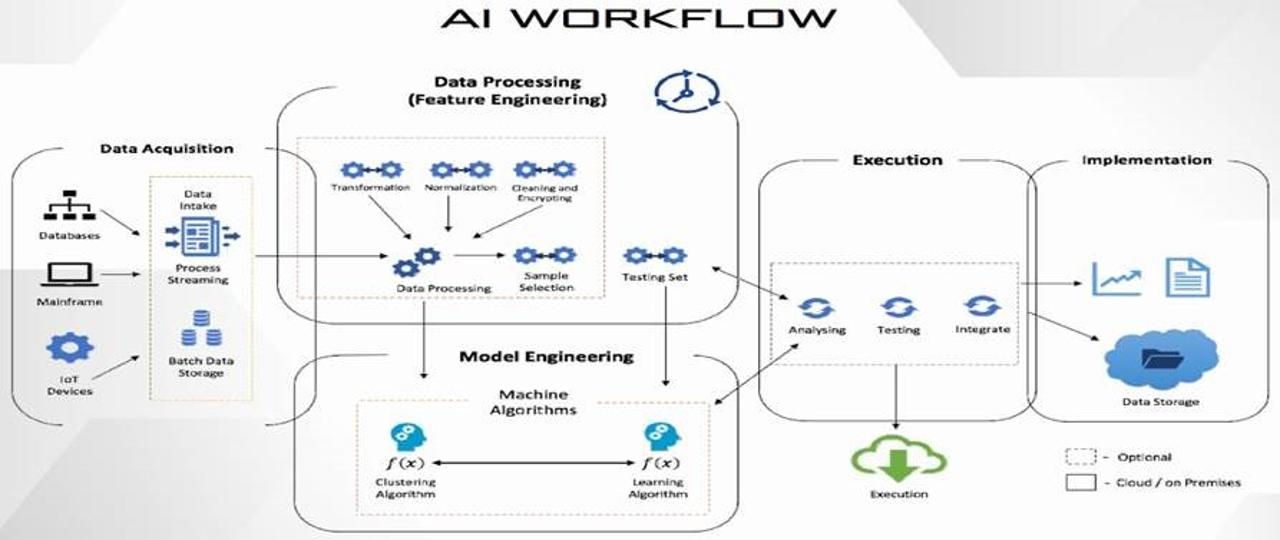
The first phase of the project has been completed. This included the collection, extraction, and analysis of Big Data from the past three months. Developers have identified significant potential in using this data to create an AI-powered recommendation model. In the future, this is expected to stabilize the technological process, improve productivity and energy efficiency, and reduce equipment failures and operational costs.
"Today, the integration of AI in the mining and metallurgical complex is no longer just a trend — it’s a matter of competitiveness and industrial safety. Best practices from around the world and within the country are shifting from pilot programs to achieving sustainable production outcomes. Our approach is pragmatic: sensors → data → models → measurable KPIs," noted project leader Ruslan Yeskendirov from ERG’s Research and Engineering Center.
At the beginning of this year, ERG formed a project team that included representatives from the ERG Research Center, BTS (ERG's IT subsidiary), Kazchrome, and ERG’s Metallurgy Department. Over this time, the team has prepared, extracted, and analyzed data from existing systems. The project is being carried out in partnership with a technology company that has already implemented similar tools at foreign ferrochrome production facilities.
The Big Data analysis confirmed that the existing volume of technological data is sufficient to develop AI modules aimed at solving key production challenges.
A total of 10 different AI modules are planned for implementation to manage the technological process. For example, just one module that predicts electrode breakage in the furnace could significantly reduce equipment downtime and losses.
The next step is to create digital control and monitoring modules for furnace No. 64, which will then be integrated into the existing automated process control system. The focus is on predictive diagnostics, intelligent mode optimization, "soft sensors," and operator recommendations, where appropriate. If the results are positive, the solution will be scaled to other furnaces.



