


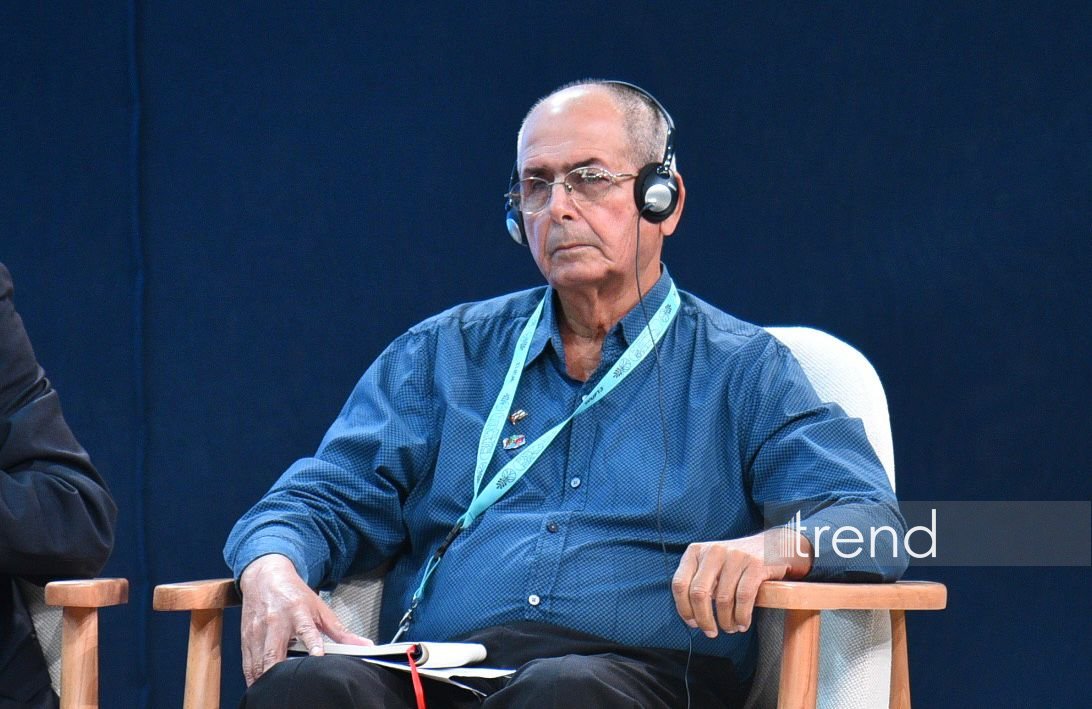

BAKU, Azerbaijan, May 20. Cuba is implementing a comprehensive state-led urban development strategy alongside a strong energy policy focused on renewable sources, said Antonio Fuervelo, vice president of the National Institute of Territorial Planning of Cuba, during the World Urban Forum (WUF13) in Baku, Trend reports.
According to Antonio Fuervelo, the country has adopted a national urban structure plan built around eight strategic directions aimed at supporting integrated development at the national, provincial, and municipal levels.
Speaking at a panel titled “Two Regions, One Agenda: Lessons for Inclusive Urban Renewal,” Fuervelo said Cuba’s National Territorial and Urban Planning Scheme serves as a key instrument for coordinating development across all levels of government.
“From the national level to the provincial and municipal levels, each has its own territorial and urban planning plan,” he said, adding that urbanization is managed through these interconnected frameworks alongside broader state programs.
He pointed to the “Life Task” program, which focuses on climate change adaptation and prioritizes vulnerable cities while strengthening emergency preparedness in coordination with civil protection authorities.
Fuervelo also highlighted the “Plan Turquino,” a program aimed at improving living conditions in mountainous and remote communities.
He noted that Cuba’s urban and development policies are also integrated with social programs targeting women, single mothers with multiple children, the elderly, and children with disabilities.
“These policies are being implemented despite the constraints the country faces,” he said.
Fuervelo also emphasized Cuba’s ongoing efforts in the energy sector, describing a shift toward alternative energy solutions amid limited fuel supplies.
“The virtual prevention of oil and fuel deliveries to our country has forced us to develop alternative programs,” he said, citing the installation of solar panels and expanded use of renewable energy.
He added that, with support from partner countries, Cuba has been able to procure solar equipment and prioritize electricity supply for essential services, including hospitals, clinics, and social institutions serving vulnerable groups.
A large-scale water supply program is also underway to ensure delivery to communities most affected by resource shortages, he said.
In the mean time, today marks the fourth day of WUF13 in Baku.
The first day included a ministerial meeting dedicated to the New Urban Agenda, a ministerial roundtable, assemblies for women and civil society, business sessions, and discussions on urban prosperity. An official ceremony marking the raising of the UN and Azerbaijani flags also took place.
The second day stood out for the inaugural Leaders' Summit, featuring high-level discussions on the global housing crisis, urbanization policy, and urban resilience. Concurrently, the opening of the Mexico City pavilion took place, serving as a significant platform for expanding cooperation with the Latin American region and preparing for WUF14.
The third day of WUF13 featured a comprehensive program of events covering the global housing crisis, the formation of safe and inclusive cities, climate resilience, artificial intelligence and urban governance, green urbanization, social equity, and sustainable transport.
WUF13, which has attracted more than 40,000 registered participants from 182 countries, will continue until May 22. Held under the theme “Housing the world: Safe and resilient cities and communities,” the forum brings together governments, international organizations, experts, and representatives of civil society to strengthen global cooperation in the field of sustainable urban development.



