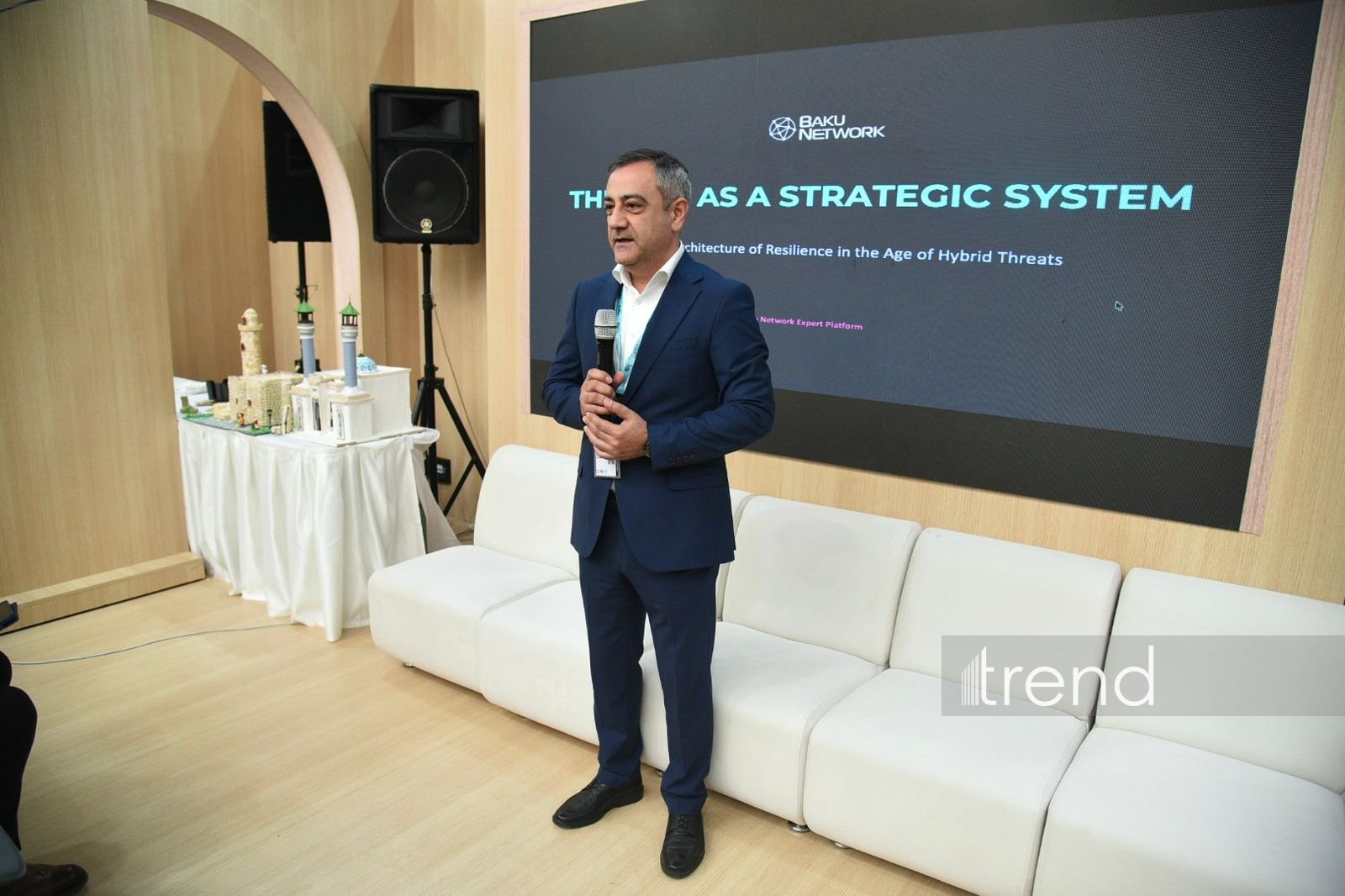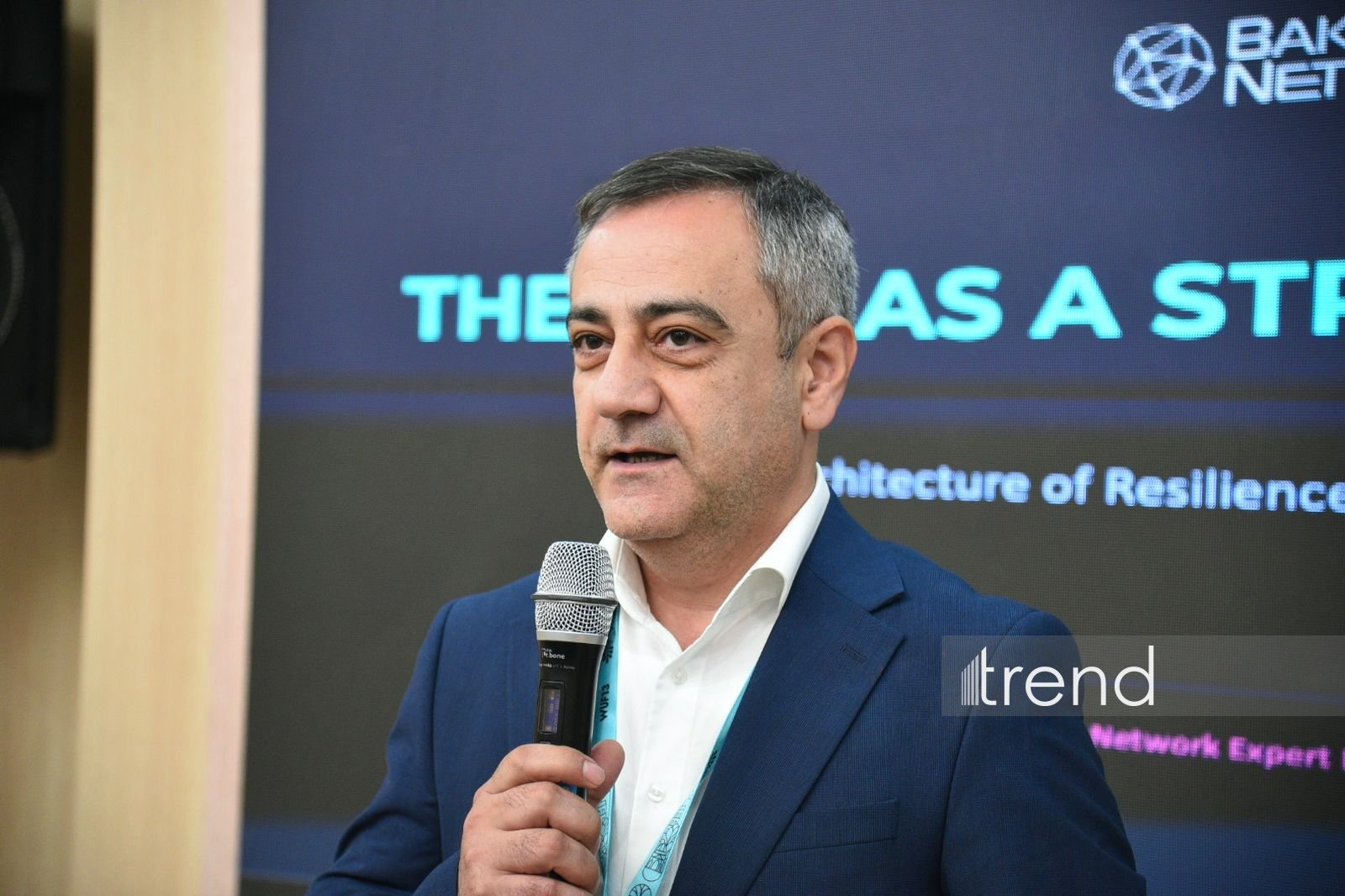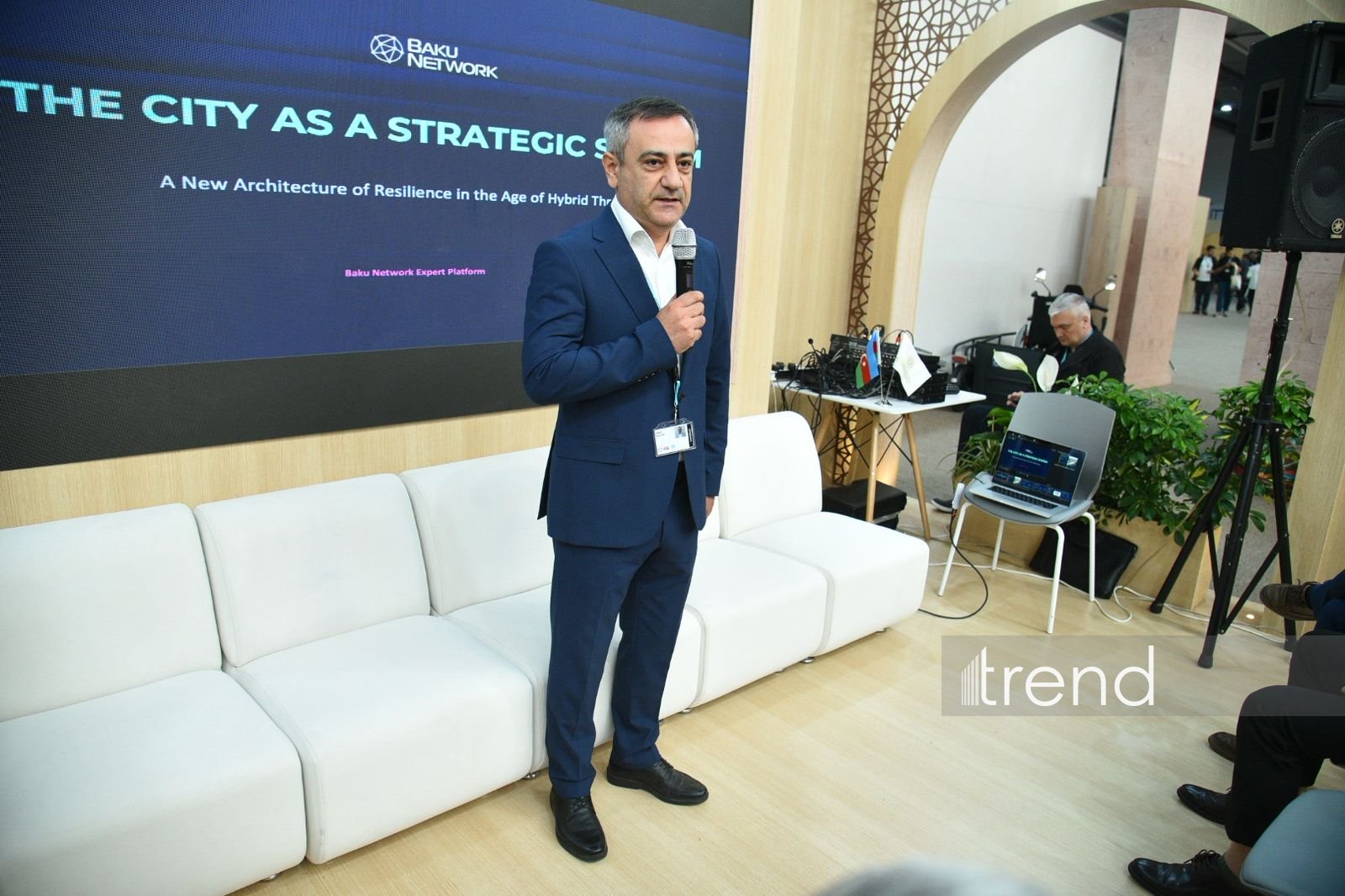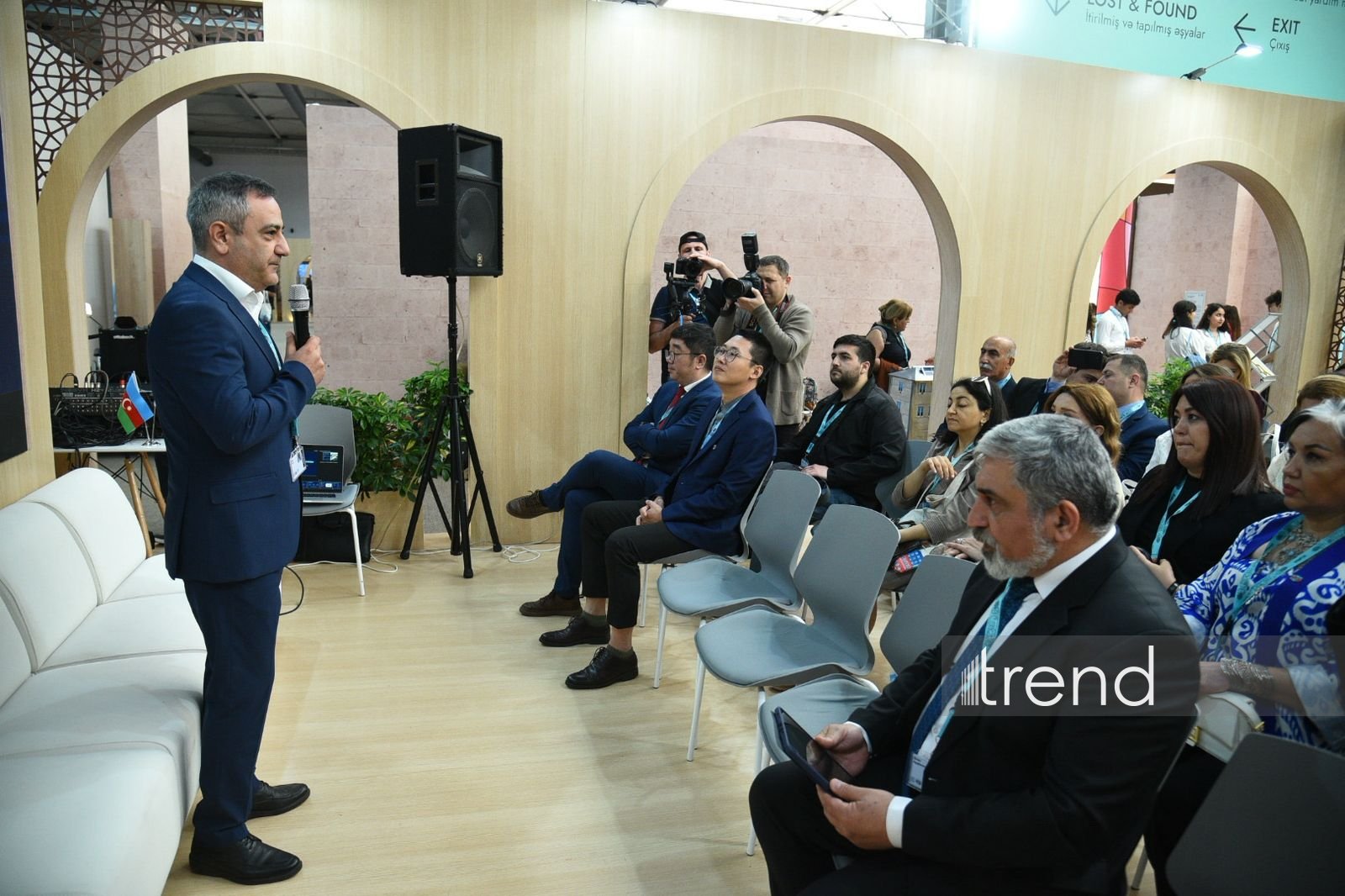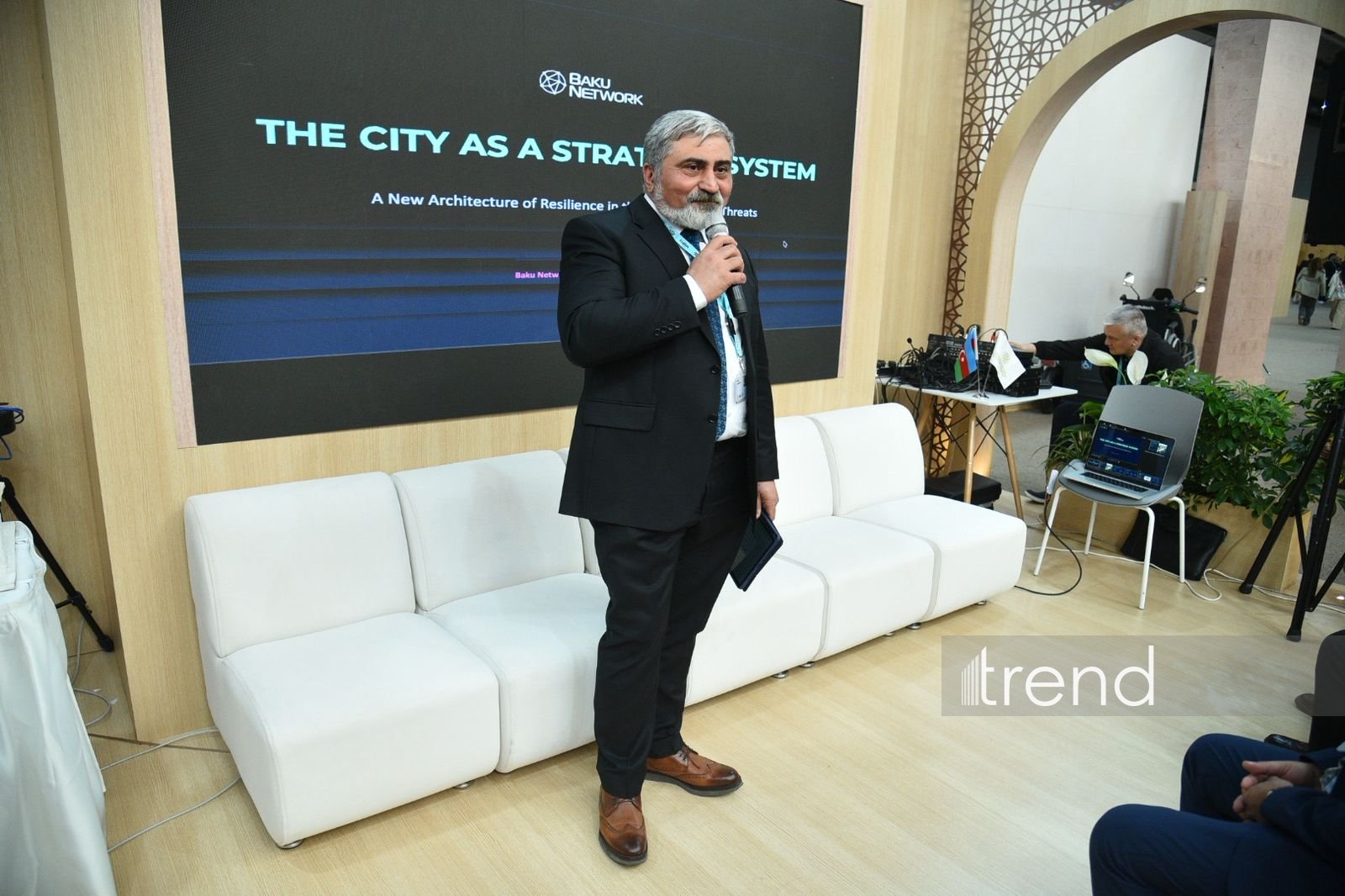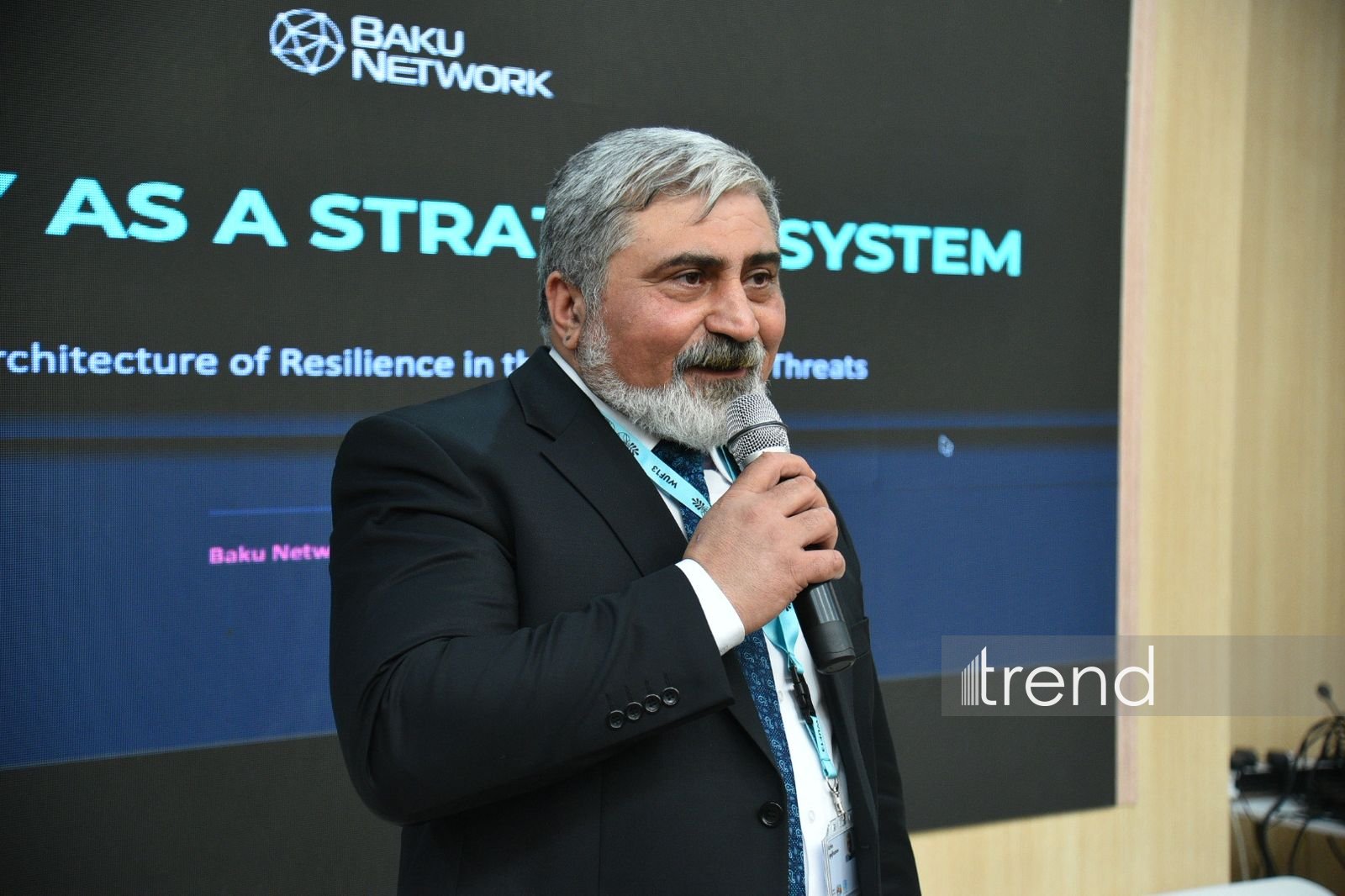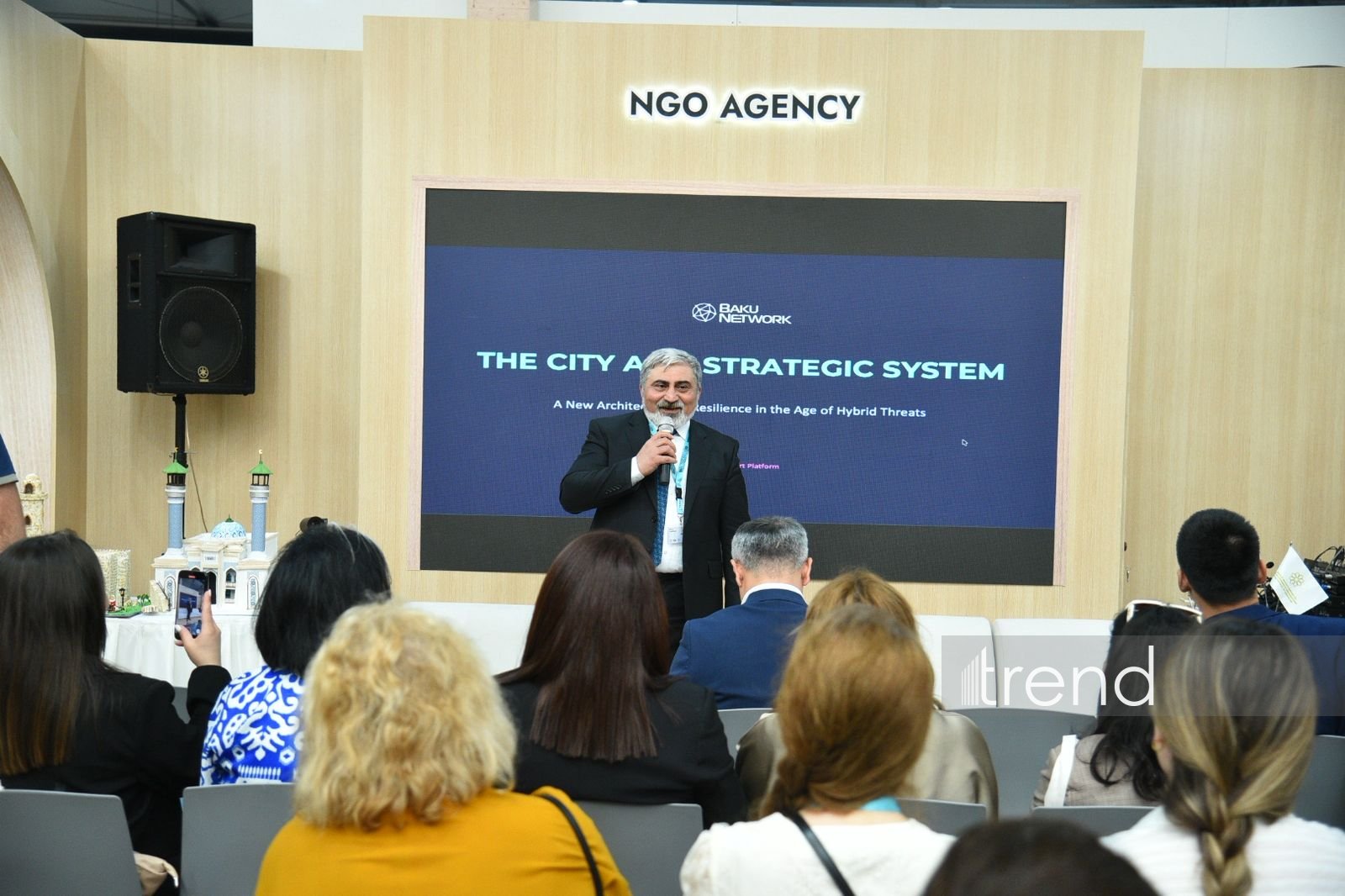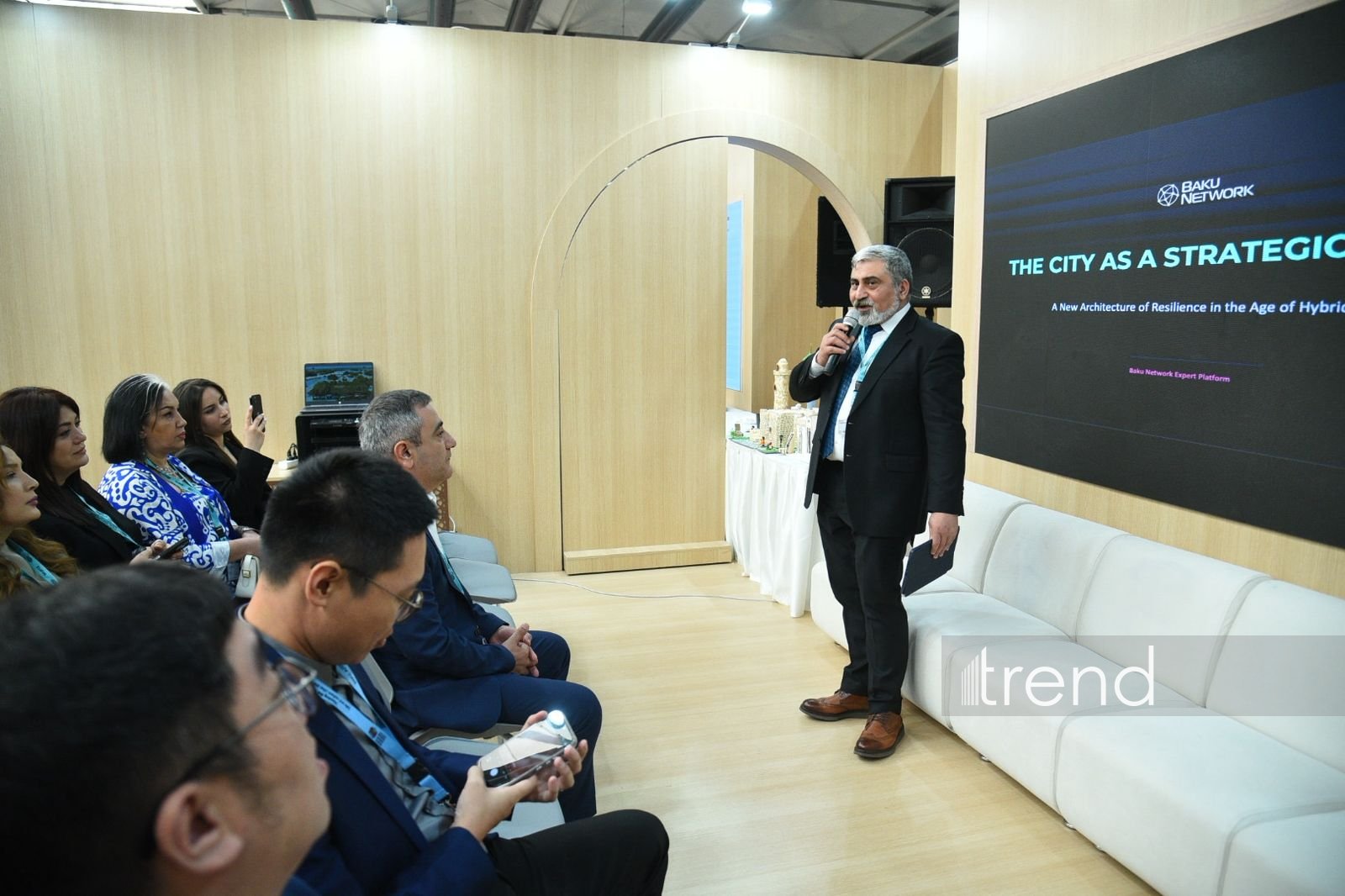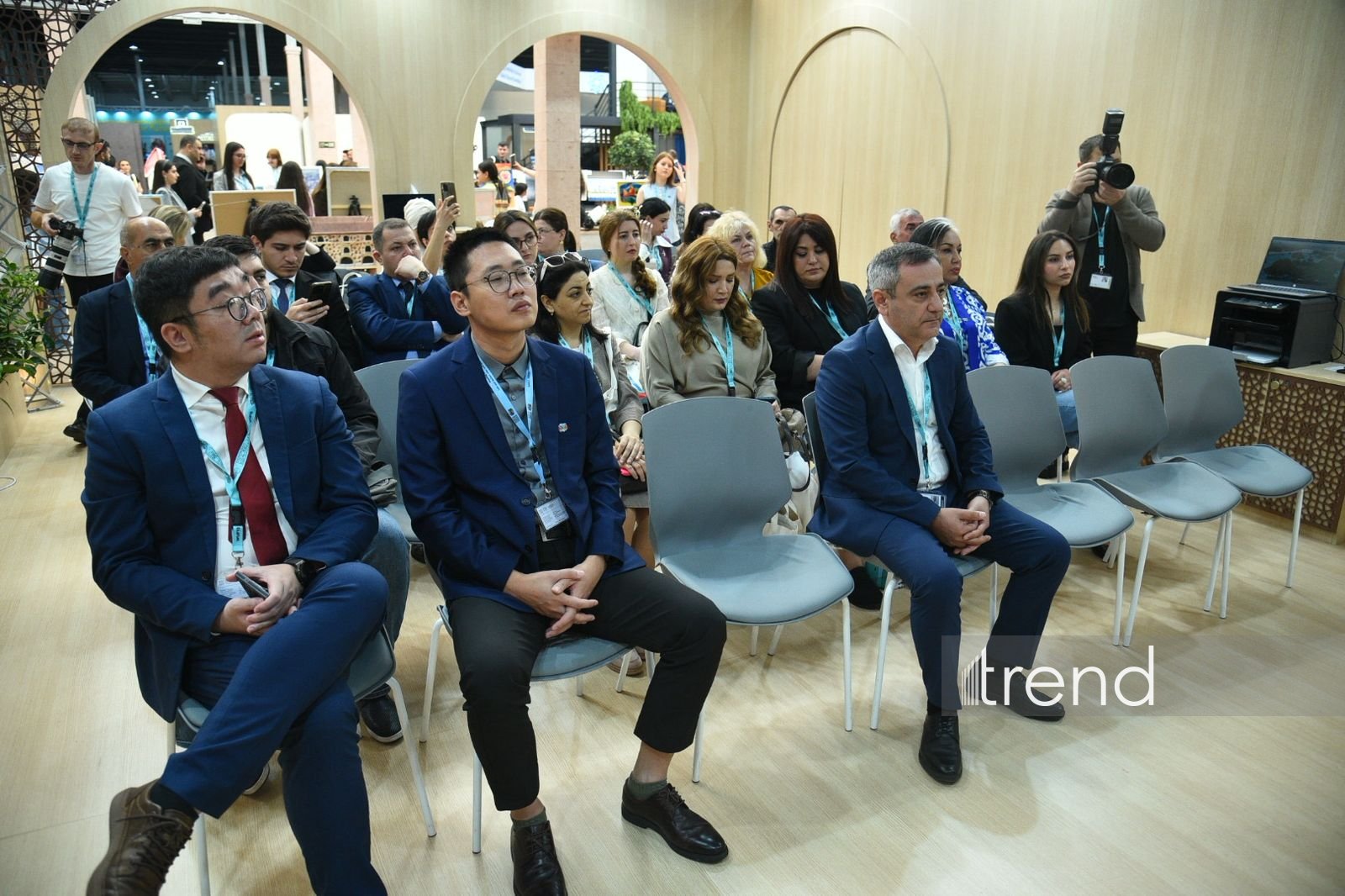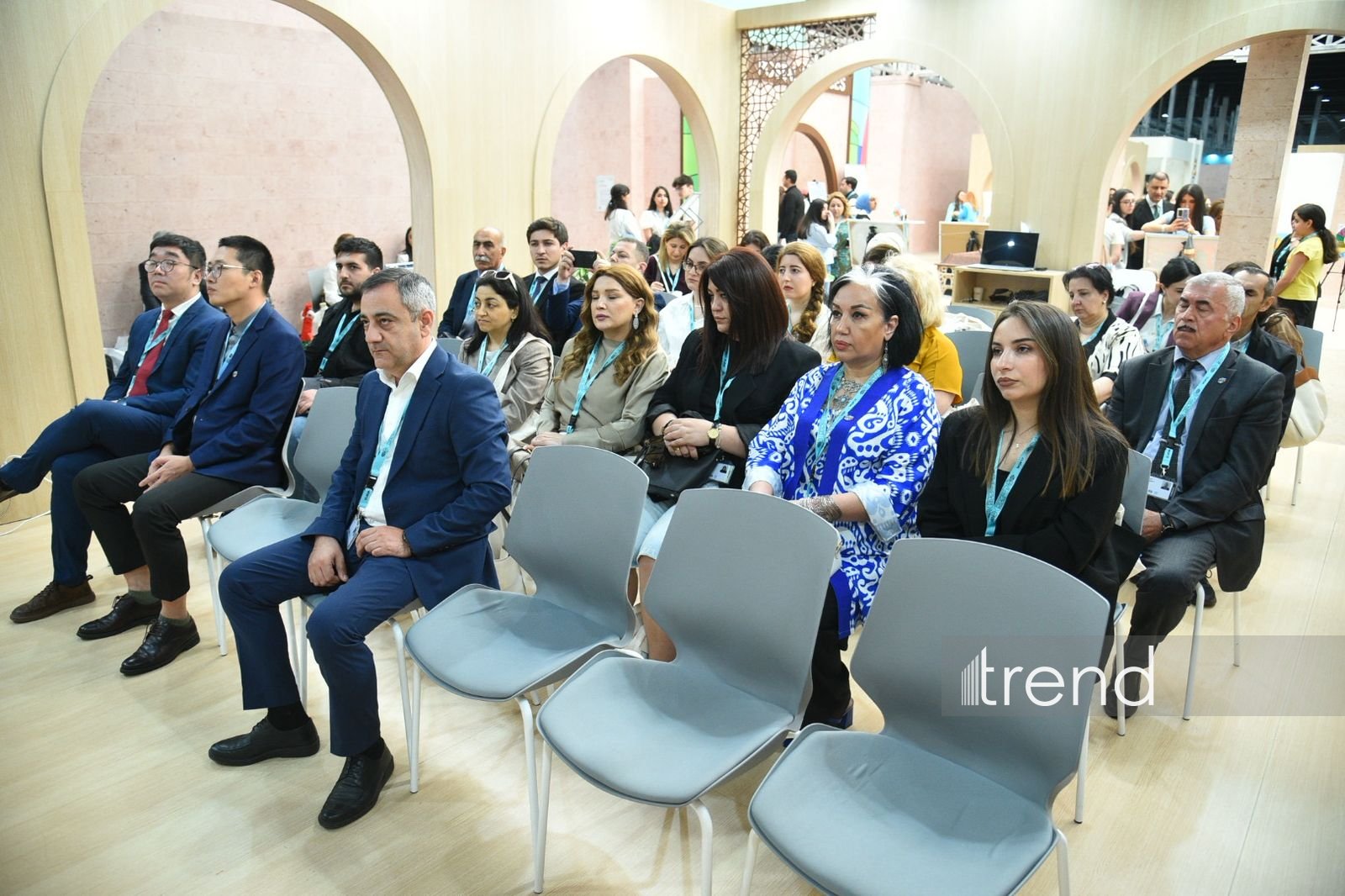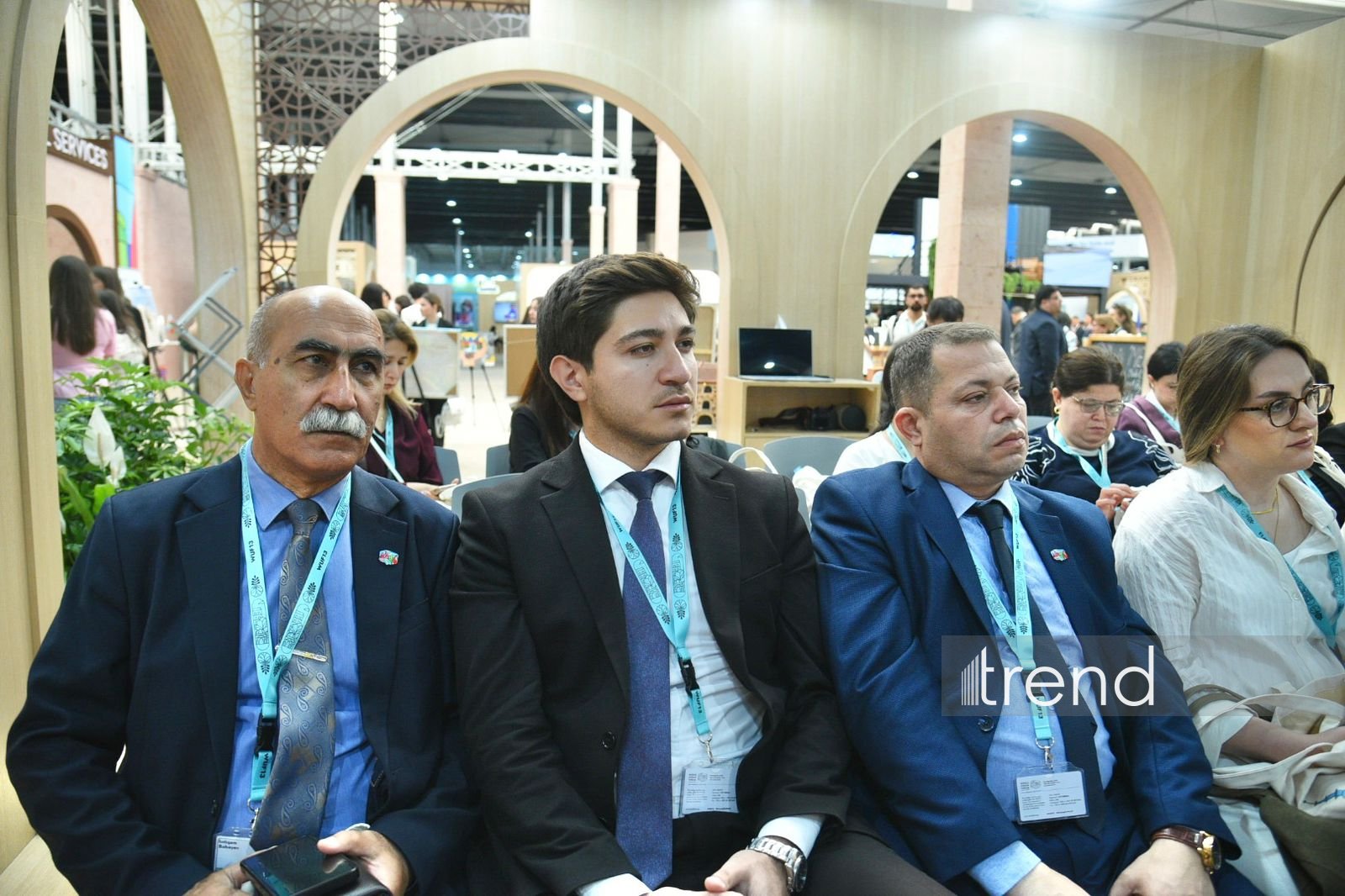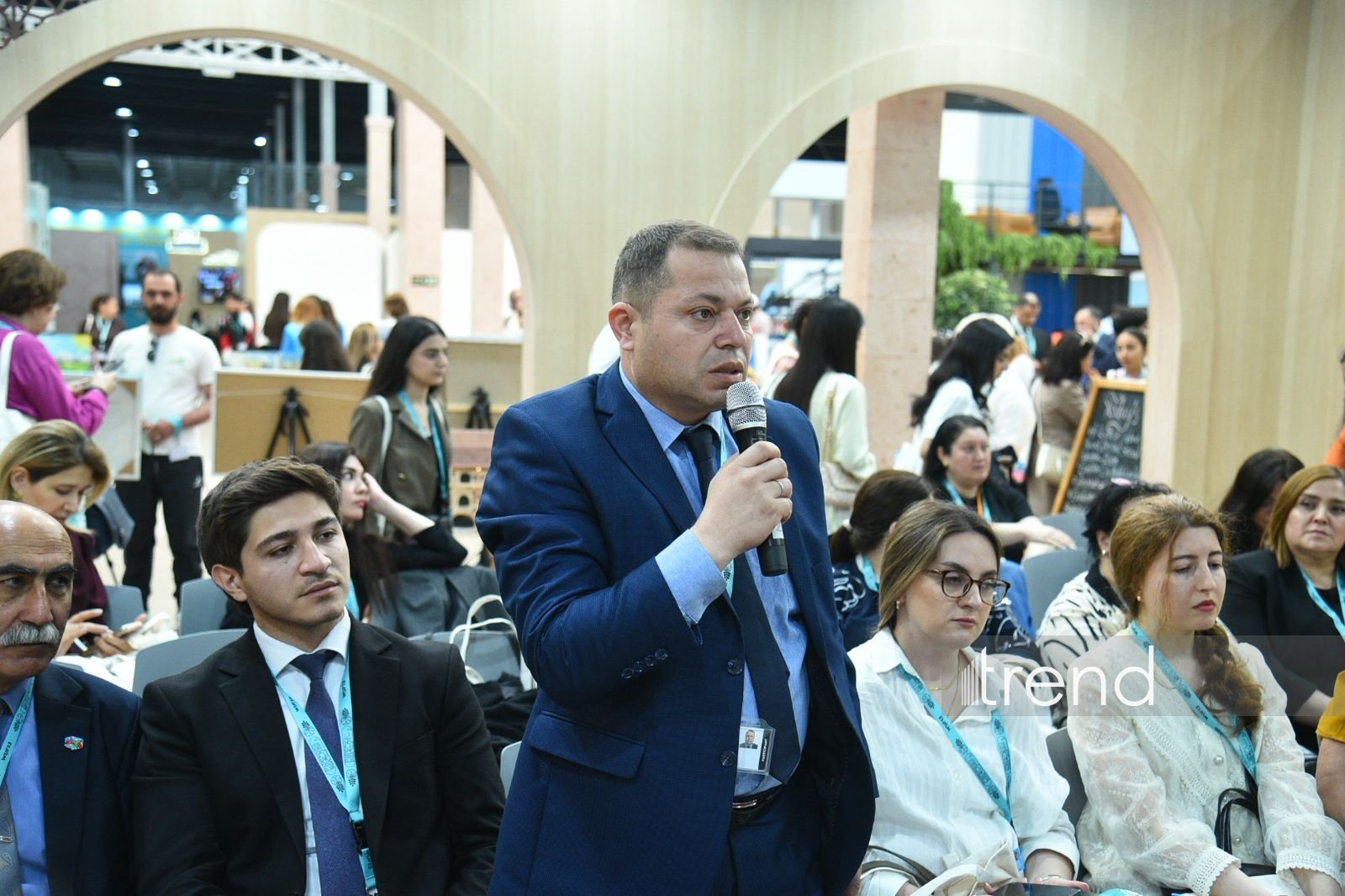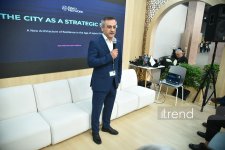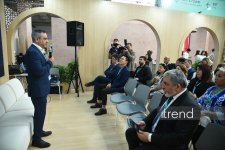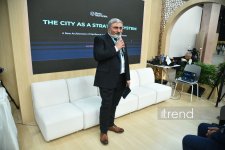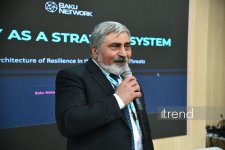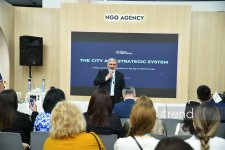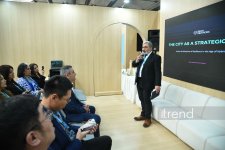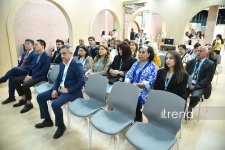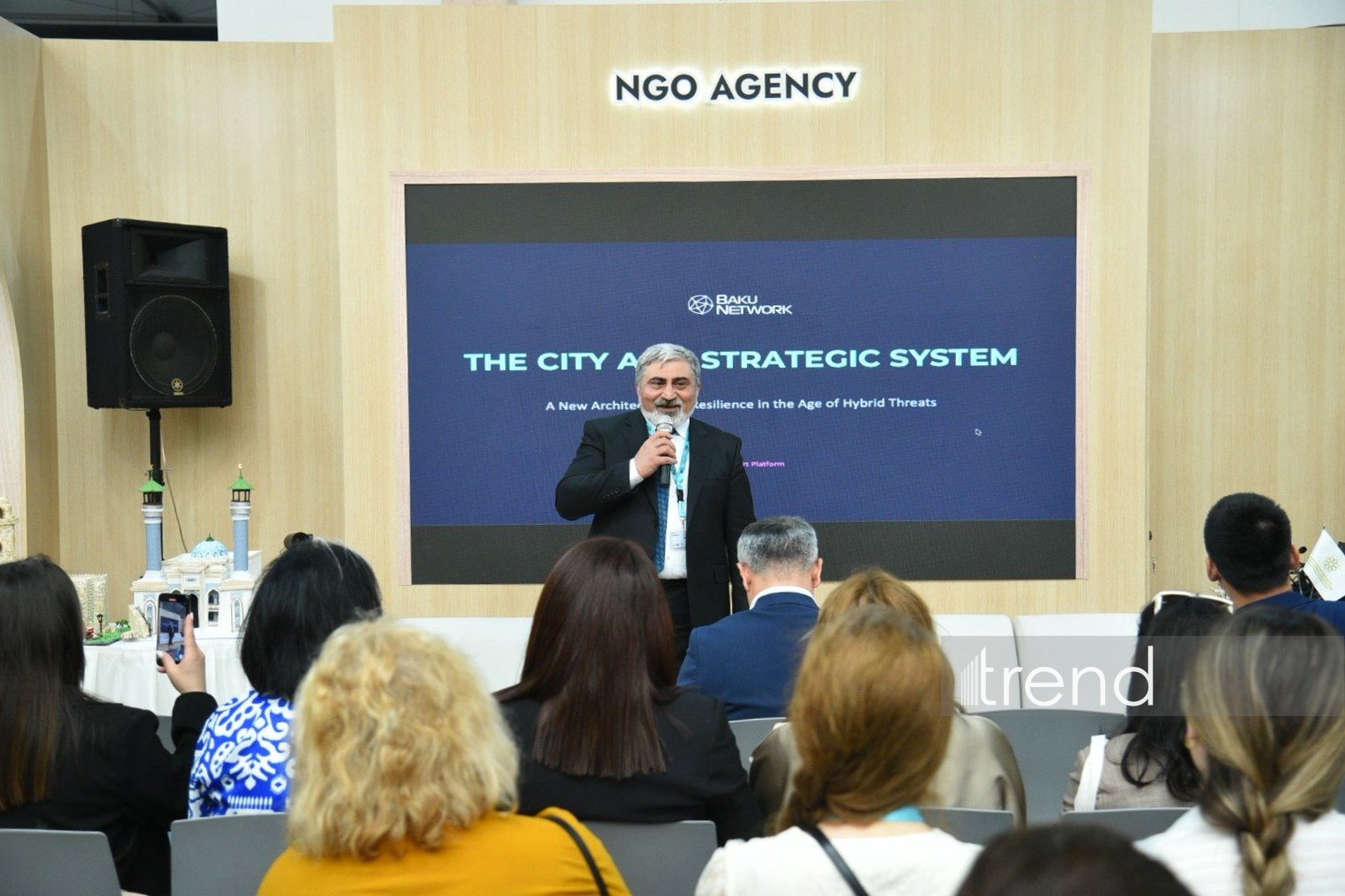

BAKU, Azerbaijan, May 21. A high-level panel discussion titled "The City as a Strategic System" successfully convened within the framework of the 13th session of the World Urban Forum (WUF13) in Baku, organized under the strategic initiative of the Baku Network Public Union for Research and Analysis, Trend reports.
During the panel session, international experts and policy analysts cross-examined the development of a completely new structural architecture engineered to safeguard municipal resilience in an era characterized by compounding hybrid threats.
The specialized panel took place within the dedicated pavilion of the Agency for State Support to Non-Governmental Organizations of the Republic of Azerbaijan.
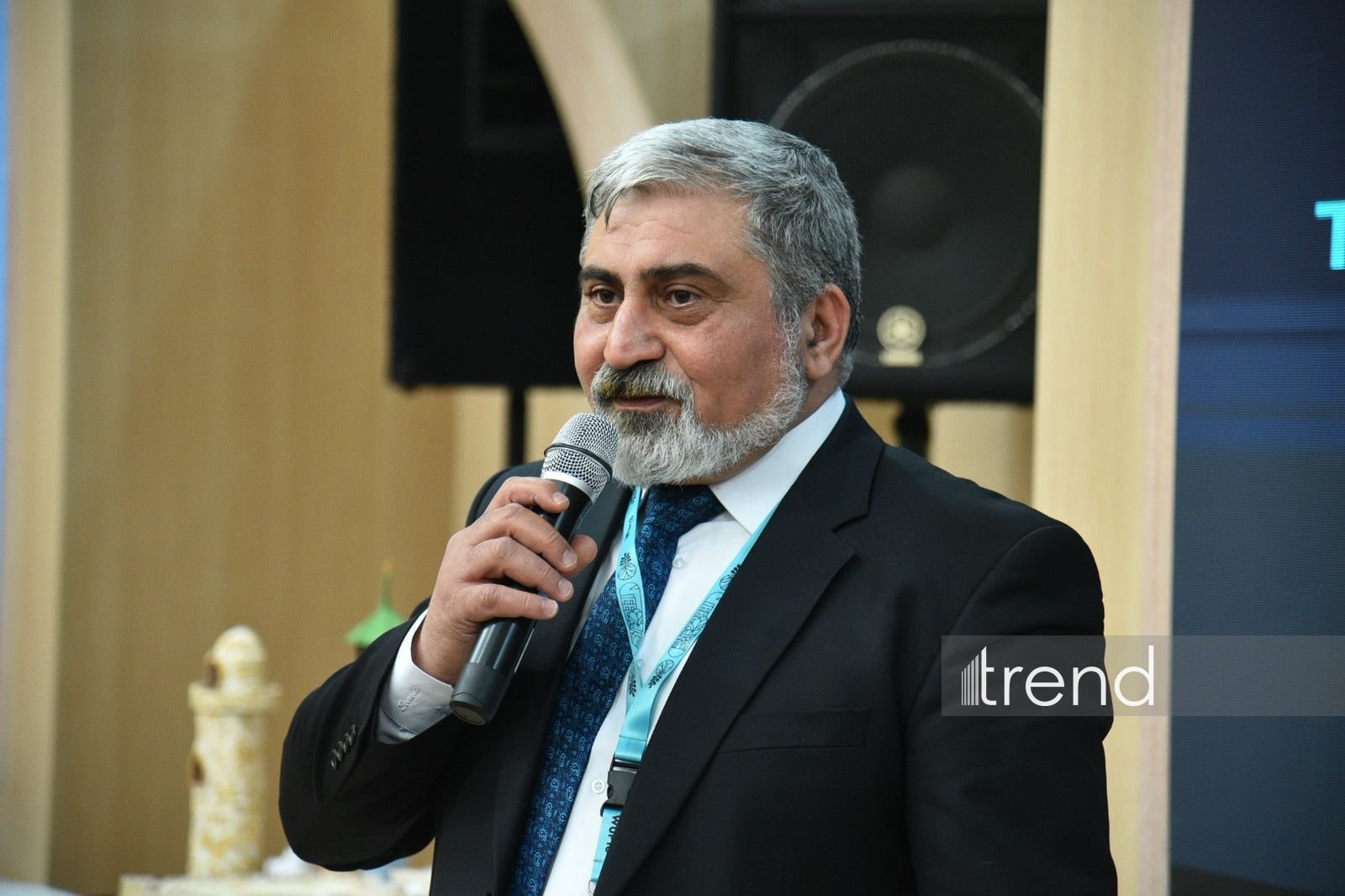
The event featured keynote briefings delivered by Elchin Alioghlu, Deputy Director of Trend News Agency and Head of the Baku Network Public Union for Research and Analysis, alongside Sahil Karimli, Deputy Director of Trend News Agency and Project Director of the Baku Network Public Union for Research and Analysis.
Opening the session, Sahil Karimli pointed out that hosting the World Urban Forum (WUF13) in Baku stands as a major testament to the nation's capacity to manage massive, high-tier multilateral summits with deep professionalism, dignity, and global hospitality.
"It is with immense civic pride that we highlight the execution of this monumental international forum in our country, particularly noting the participation of a record-breaking volume of global delegates. Civil society and non-governmental organizations continue to deliver substantial structural contributions to the long-term outcomes of this summit," Karimli emphasized.
Delivering his address, Elchin Alioghlu stated that modern urban planning workflows must meticulously synthesize historical development patterns with progressive, cutting-edge methodologies targeting municipal environments, utility infrastructure lines, and public spaces.
According to him, the evolution of urban landscapes throughout global history has remained unyieldingly linked to the management of population density parameters, infrastructure expansion constraints, and aggregate quality-of-life metrics.
Alioghlu concurrently directed sharp focus toward the non-negotiable urgency of aggressively expanding green infrastructure grids across modern metropolitan landscapes.
"The cultivation of green municipal zones transcends simple ecological aesthetics or basic landscaping. These green networks exert a direct, quantifiable impact on baseline quality of life, the local social atmosphere, and the general comfort of the urban environment," Alioghlu observed.
According to the director, within the long-term master-planning framework guiding Baku’s architectural evolution toward the year 2050, municipal authorities intend to execute a massive, phased scaling of the capital's total green spaces.
The expert further detailed global urbanization trajectories and ongoing structural changes across planetary demographic data.
"According to leading international demographic models, the coming decades will trigger a massive shift, wherein the planet's largest, most hyper-dense mega-cities will concentrate predominantly across the African continent," he reported.
Concluding the session, the participants engaged in an interactive technical exchange covering the distinct physical characteristics of diverse international urban centers, progressive global urban trends, and the operational necessity of adapting cross-border structural expertise to fit unique localized conditions, the experts concluded.
Today marks the fifth day of WUF13 in Baku.
The first day included a ministerial meeting dedicated to the New Urban Agenda, a ministerial roundtable, assemblies for women and civil society, business sessions, and discussions on urban prosperity. An official ceremony marking the raising of the UN and Azerbaijani flags also took place.
The second day stood out for the inaugural Leaders' Summit, featuring high-level discussions on the global housing crisis, urbanization policy, and urban resilience. Concurrently, the opening of the Mexico City pavilion took place, serving as a significant platform for expanding cooperation with the Latin American region and preparing for WUF14.
The third day of WUF13 featured a comprehensive program of events covering the global housing crisis, the formation of safe and inclusive cities, climate resilience, artificial intelligence and urban governance, green urbanization, social equity, and sustainable transport.
One of the highlights of the third day was the signing of a sister-city memorandum between the Azerbaijani city of Shusha and the Turkish city of Trabzon.
The fourth day of WUF13 featured a broad program of events dedicated to urbanization, climate change, inclusive urban development, housing policy, and sustainable governance.
One of the important events of the UN Special Program for the Economies of Central Asia (SPECA) Cities Forum, held on the fourth day, was the announcement of Almaty’s official accession to the “Declaration of Intent on the Establishment of the SPECA Smart Climate-Resilient Cities Forum.”
Also, for the first time in WUF history and at Azerbaijan’s initiative, the “WUF13 NGO Forum: Global Partnership and Decision-Making” was held.
WUF13, which has attracted more than 40,000 registered participants from 182 countries, will continue until May 22. Held under the theme “Housing the world: Safe and resilient cities and communities,” the forum brings together governments, international organizations, experts, and representatives of civil society to strengthen global cooperation in the field of sustainable urban development.