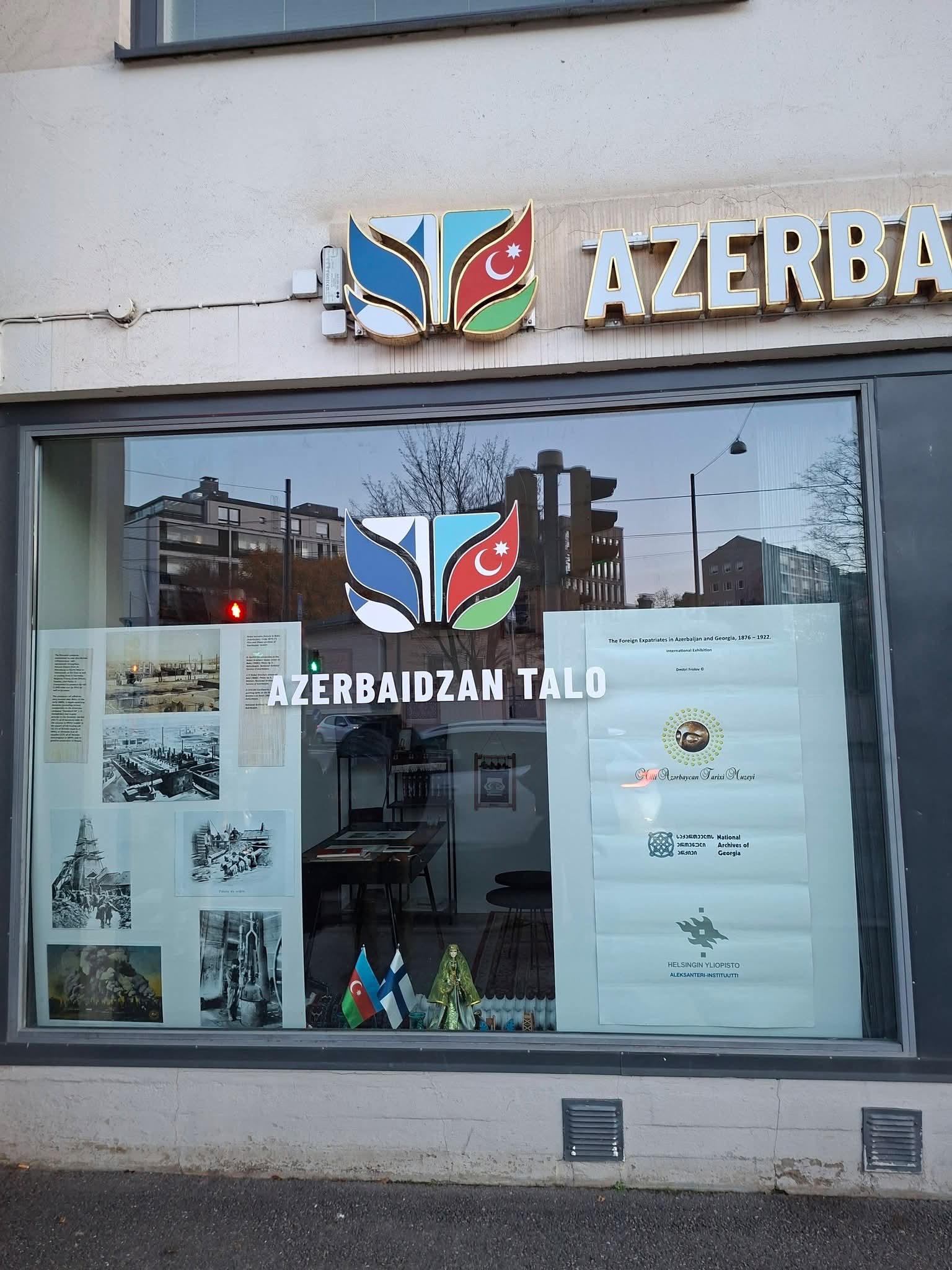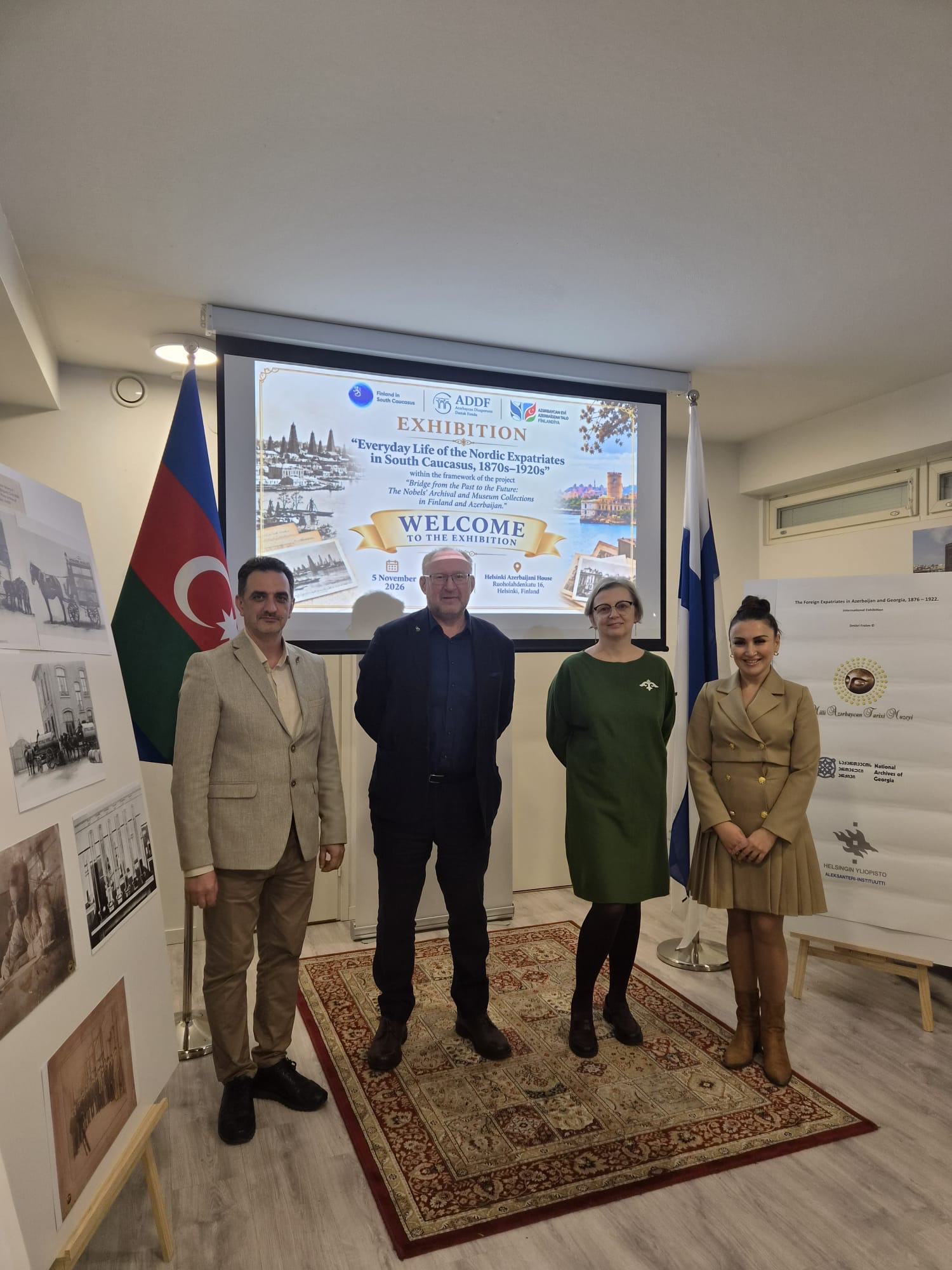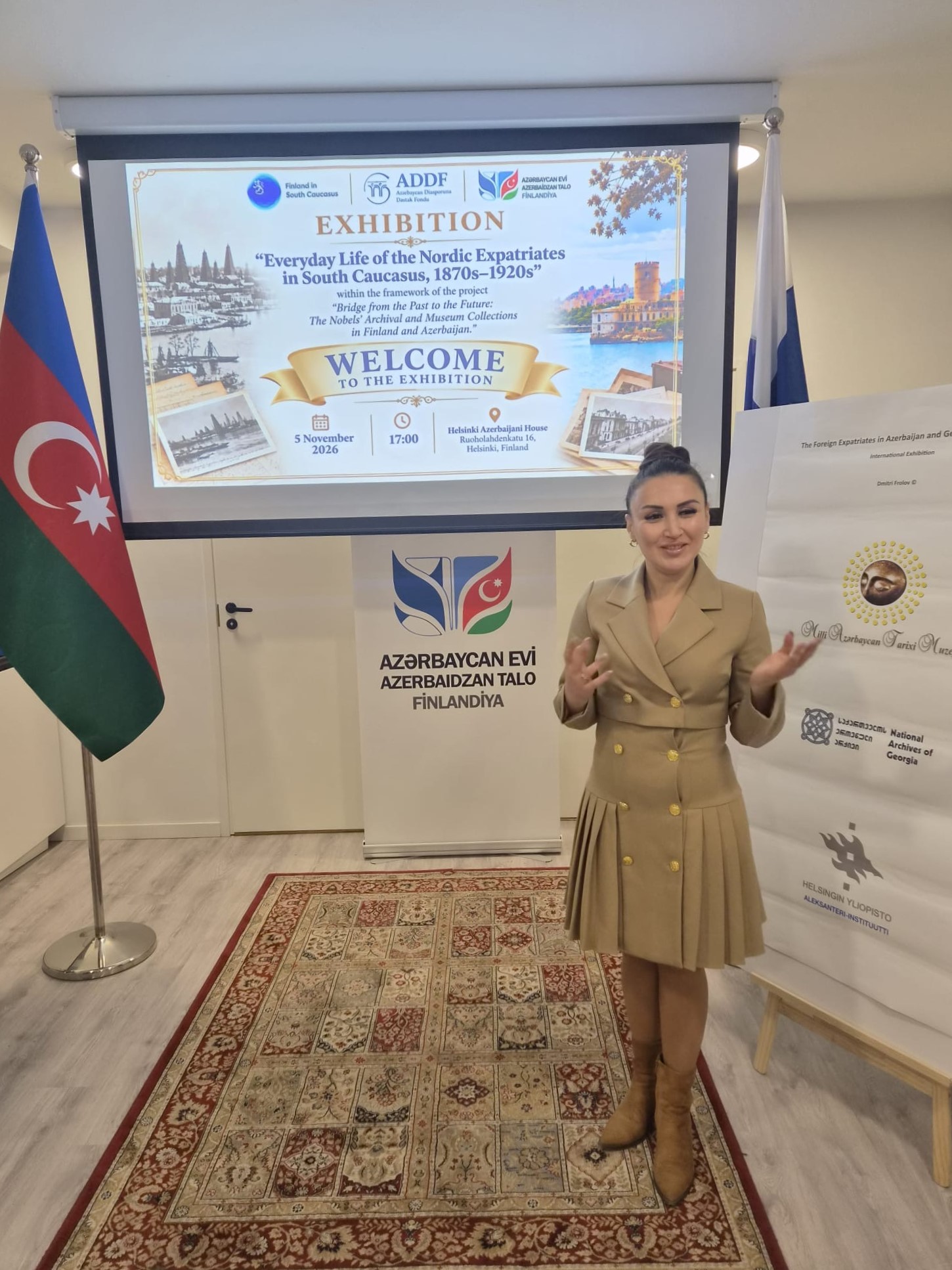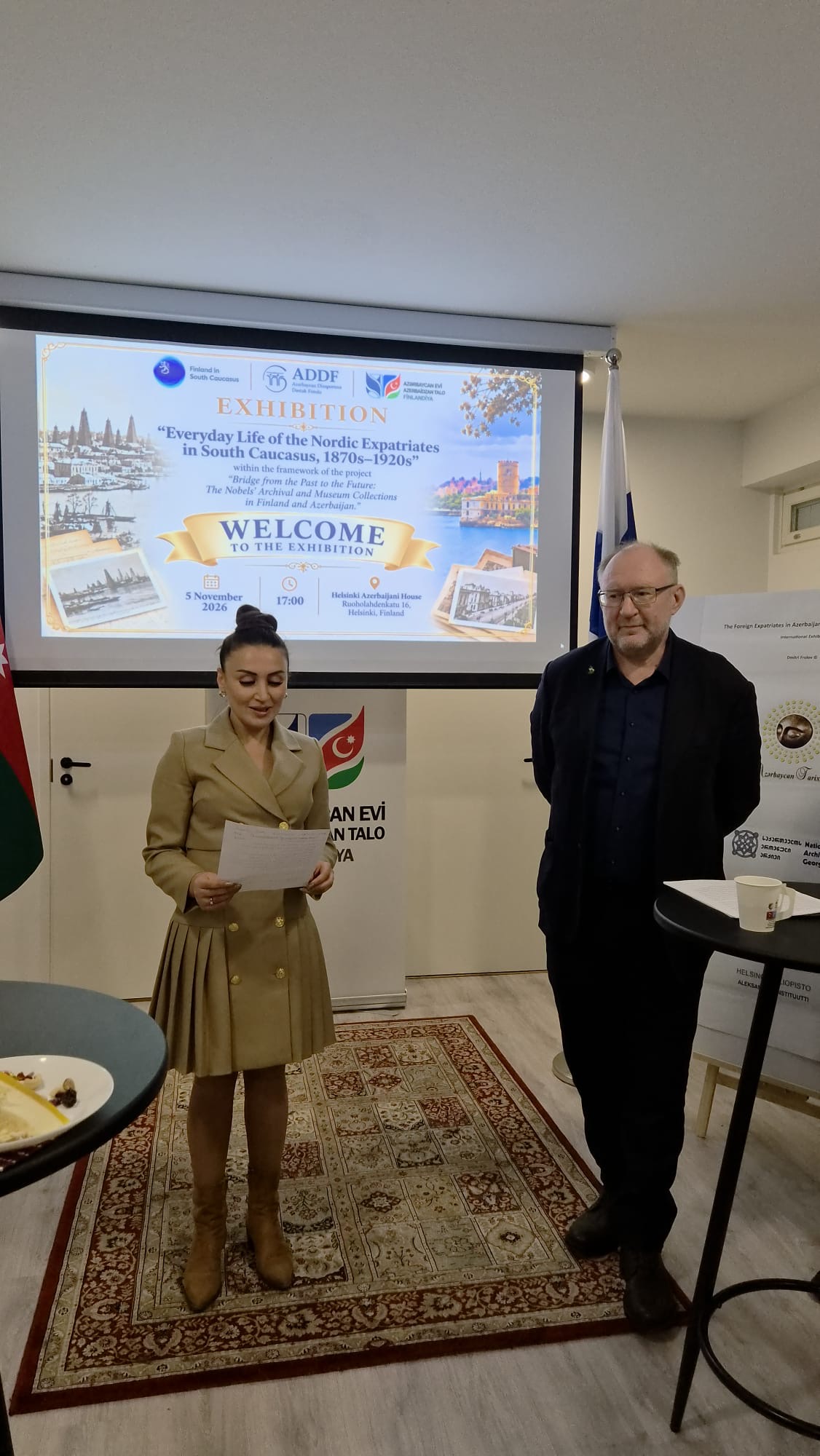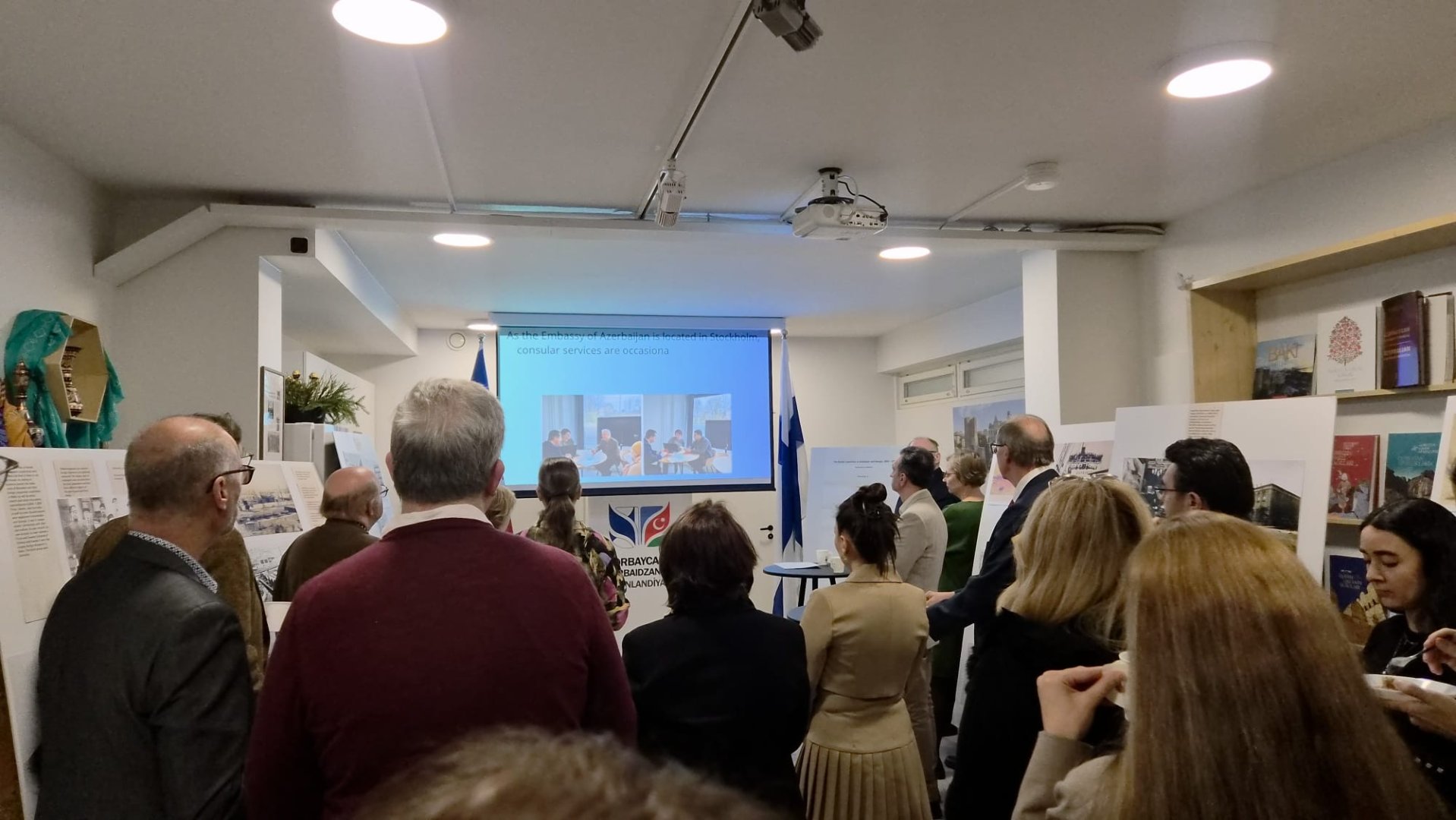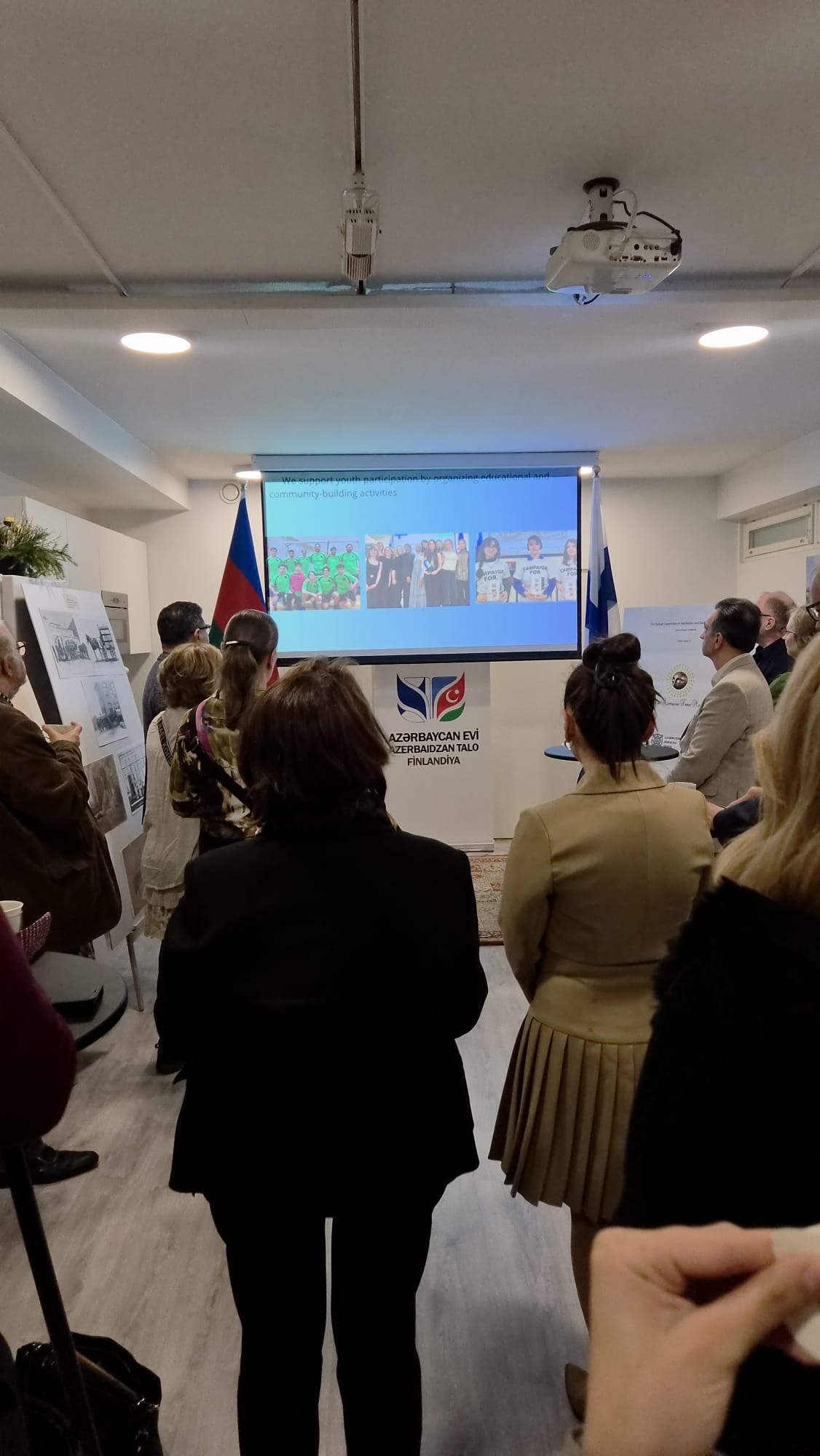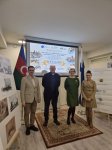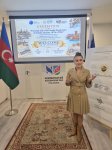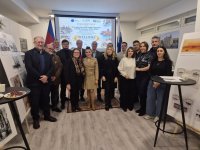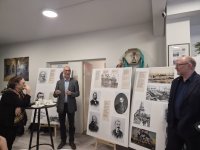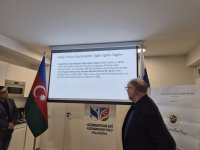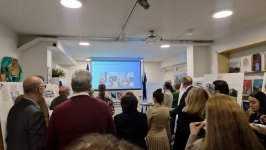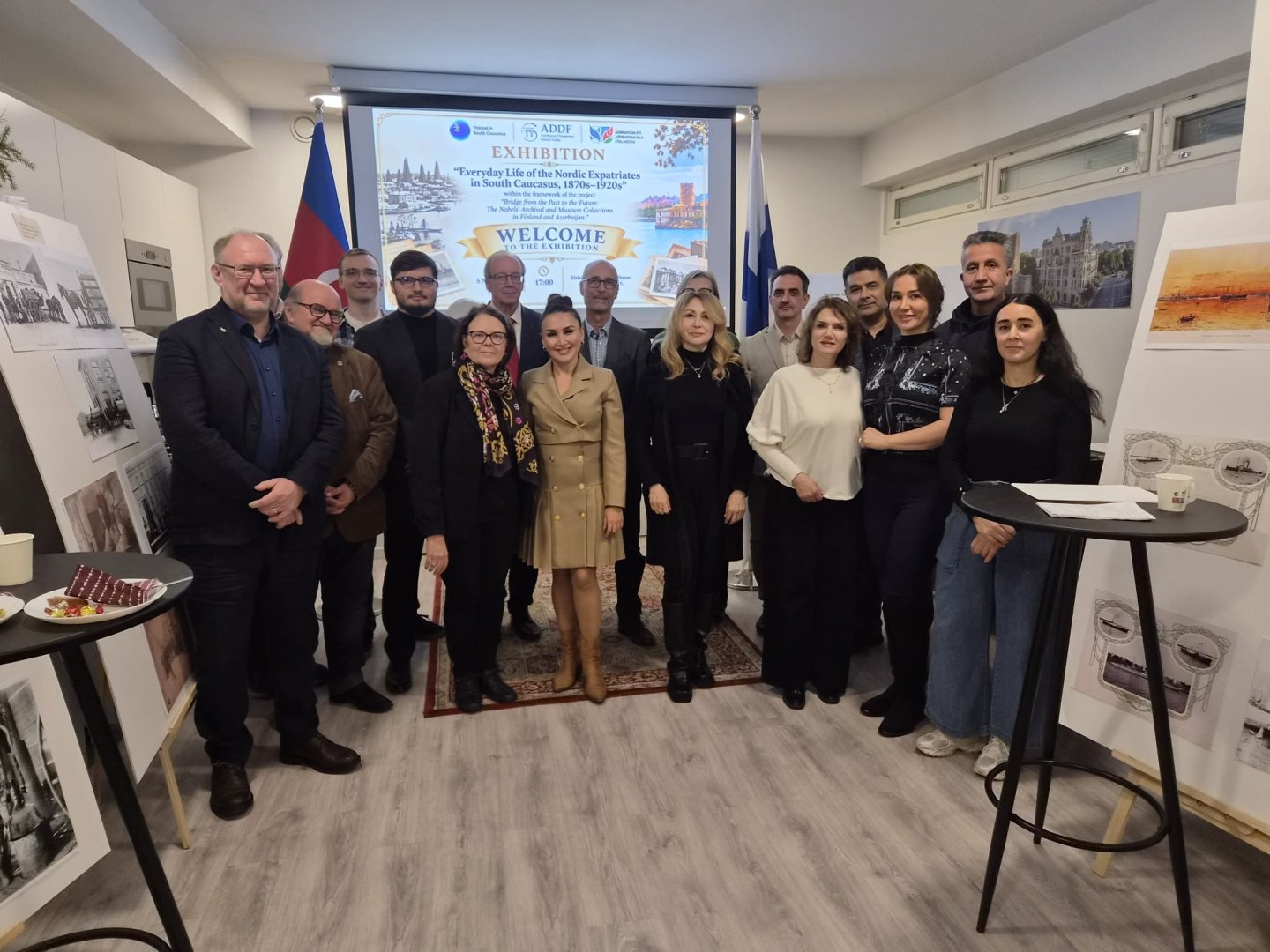
BAKU, Azerbaijan, November 19. An exhibition and academic discussion titled “Everyday Life of the Nordic Expatriates in the South Caucasus, 1870s–1920s” was held in Helsinki, Finland, organized by the Helsinki Azerbaijan House with the support of Azerbaijan’s State Committee on Work with the Diaspora, the committee reported.
The event was held as part of the project “Bridge from the Past to the Future: The Nobel Family’s Archival and Museum Collections in Finland and Azerbaijan.” It focused on the historical and cultural ties between Finland and Azerbaijan, the legacy of the Nobel brothers in Azerbaijan, and the lives of Nordic expatriates in the South Caucasus.
Ulviyya Jabbarova, head of the Helsinki Azerbaijan House, spoke about efforts to promote Azerbaijani culture in Finland and the activities of the Azerbaijani diaspora. She also highlighted the project's importance in studying the shared heritage of the two countries.
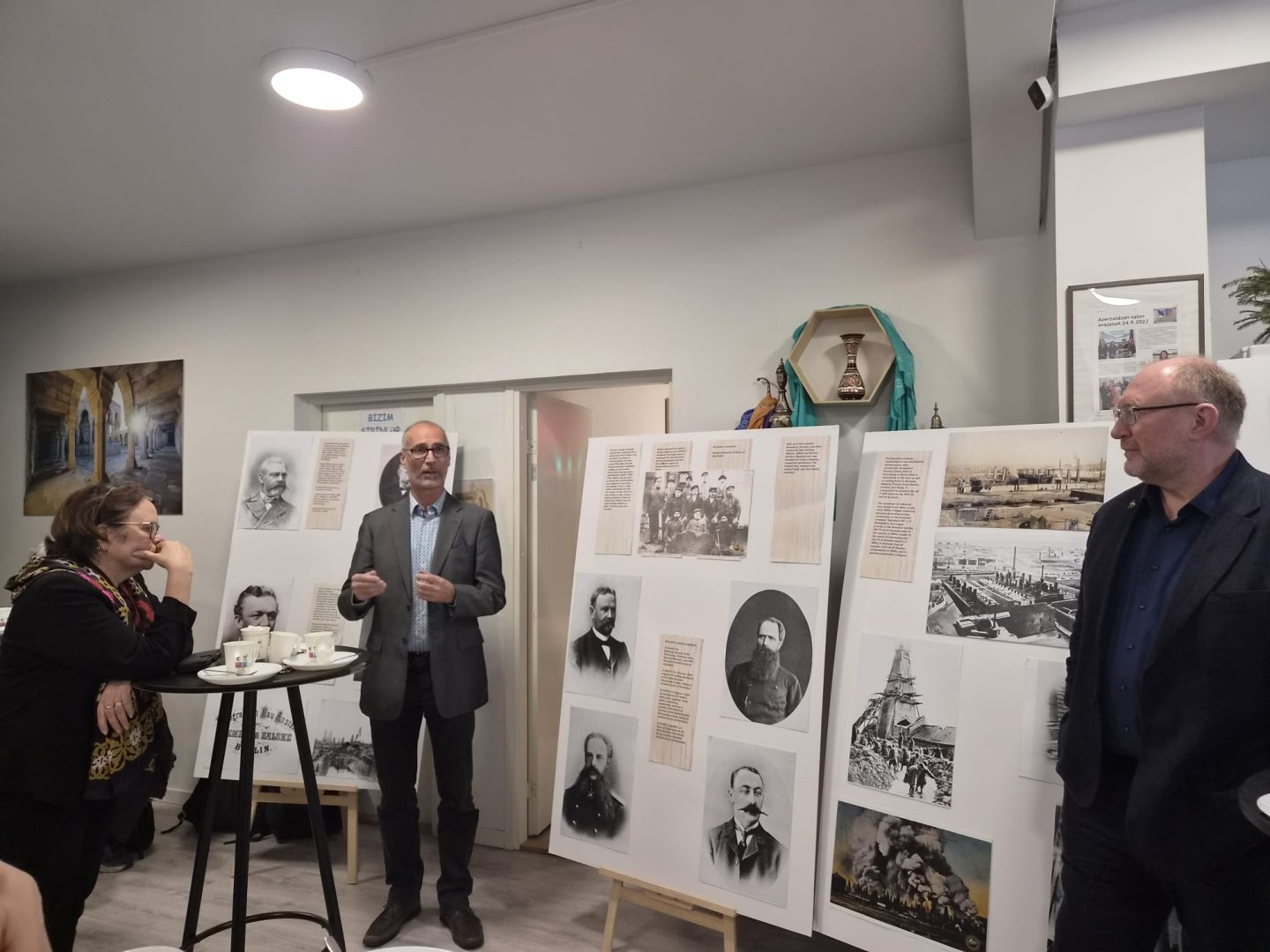
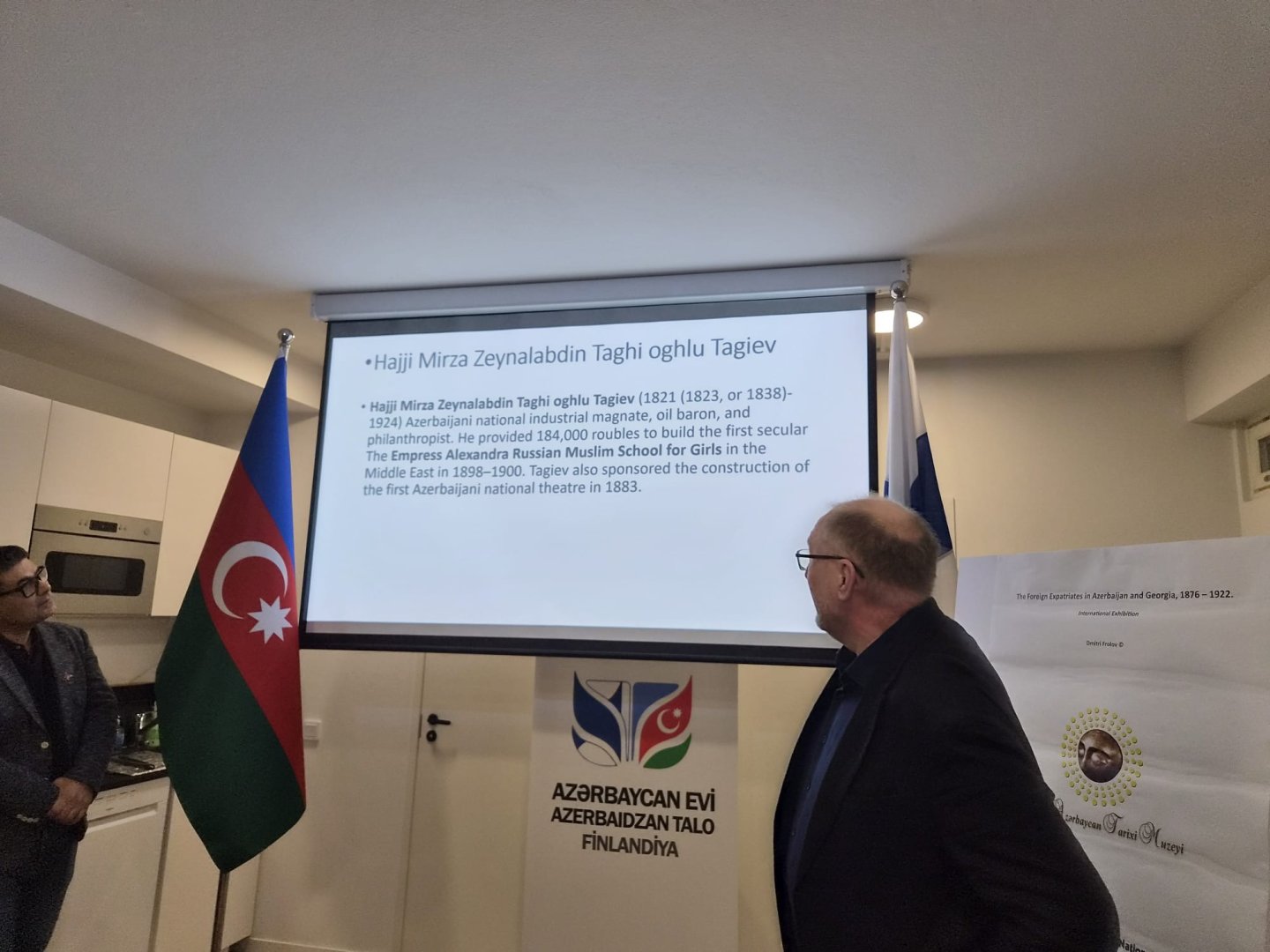
Dmitri Frolov, a researcher at the Aleksanteri Institute of the University of Helsinki, discussed the lives of Northern European immigrants who were active in the South Caucasus in the late 19th and early 20th centuries, as well as their contribution to industrial and economic development. He also spoke about the operations of Branobel, the company led by the Nobel brothers, and the living conditions and social welfare provisions established for its employees and their families.
The discussion also noted that 2026 will mark the 150th anniversary of the arrival of immigrants from Finland and Sweden in Azerbaijan, a migration associated with the activities of the Nobel brothers.
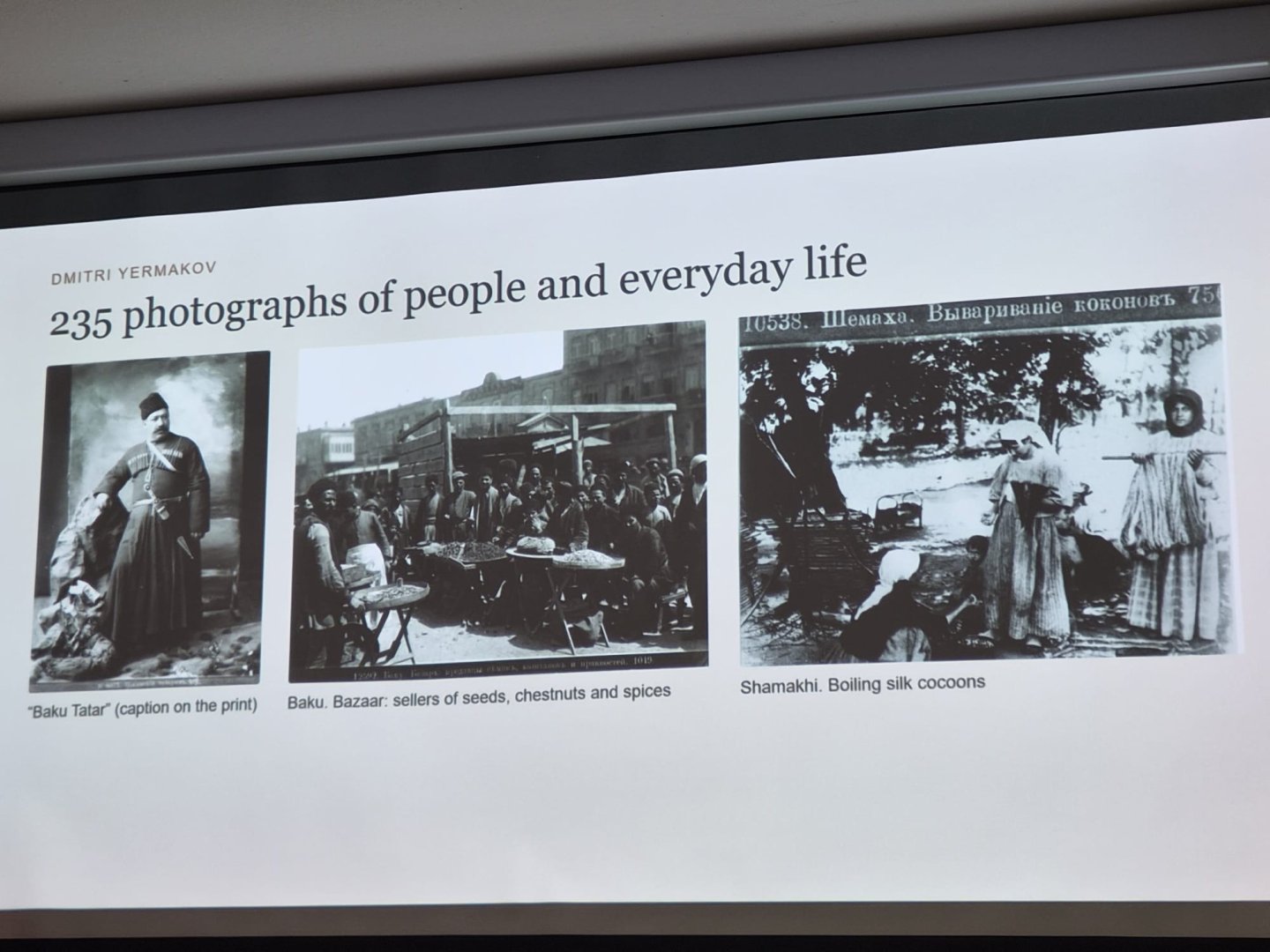
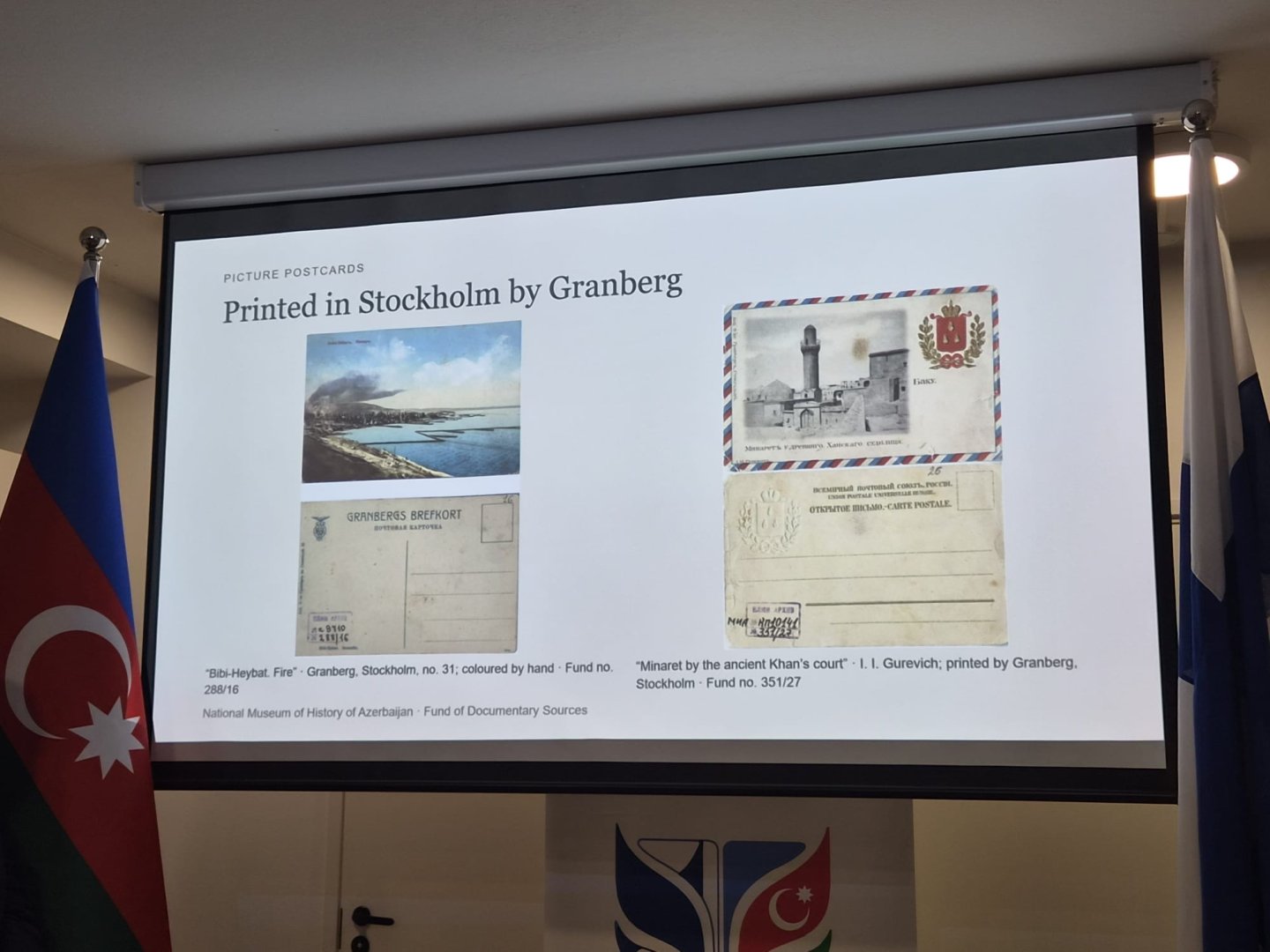
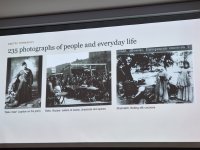
Emin Dadashov, head of the Department of Scientific Exposition and Exhibition Organization at the National Museum of History of Azerbaijan, presented the museum’s photographic collection. He noted that it contains more than 15,000 photographs and highlighted their scientific value in documenting the history of Baku, the oil industry, the Nobel company, and Villa Petrolea.
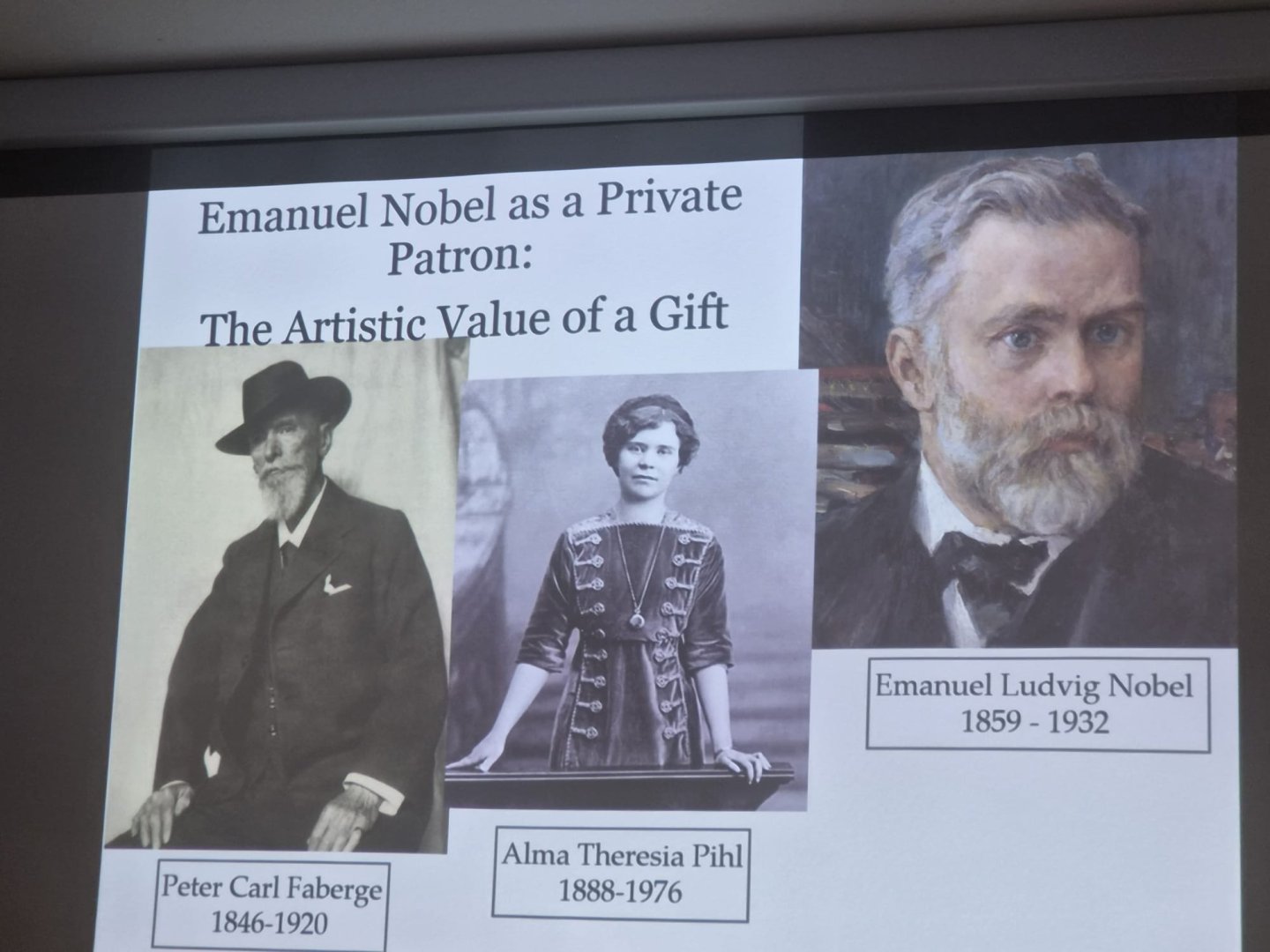
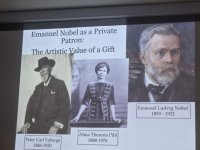
Olga Korkka spoke about the cultural legacy of the Nobel family and the famous Fabergé eggs, while Kirsti Narinen, Finland’s roving ambassador to Azerbaijan, Georgia, and Armenia, discussed research into the history of Finnish emigration and the development of scientific and cultural cooperation between the two countries.
Markku Kangaspuro, a professor at the University of Helsinki, highlighted the exhibition’s importance for the study of Finnish and Azerbaijani history and stressed the value of presenting it to a wider audience.
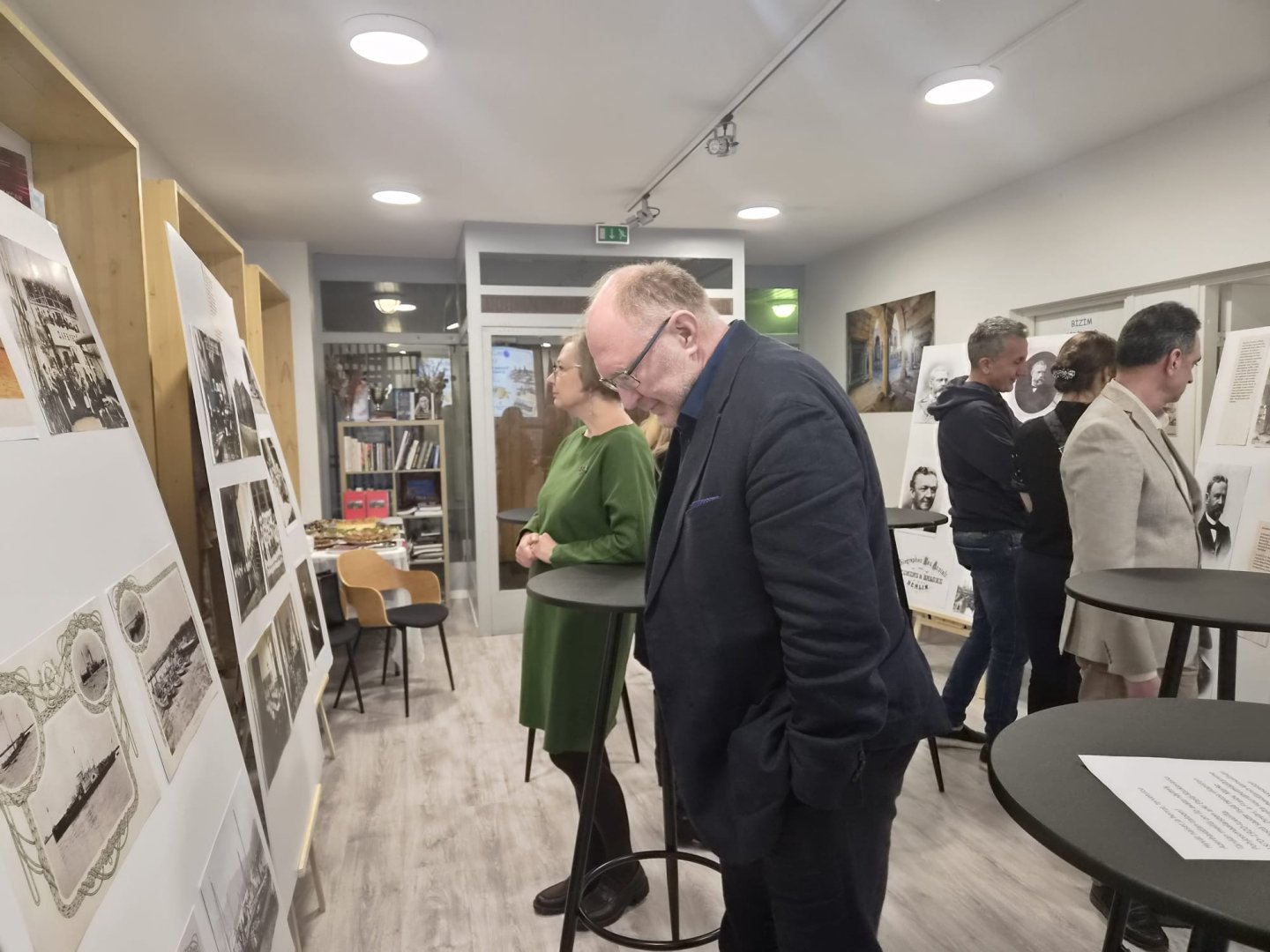
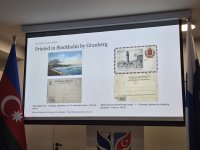
The exhibition featured documents and photographs from archives in Azerbaijan, Georgia, Finland, Sweden, and Germany. The materials shed light on the activities of companies such as the Nobel Brothers and Siemens, as well as the daily lives, education, healthcare, and social relations of Northern European migrants in Baku and Tbilisi.
The event was attended by Jussi Nuorteva, Chancellor of the Orders of Finland (Doctor of Technology); representatives of the Finnish and Turkish embassies; scholars from the University of Helsinki; members of the Azerbaijani diaspora; historian and journalist Toni Viljanmaa; and other guests.