


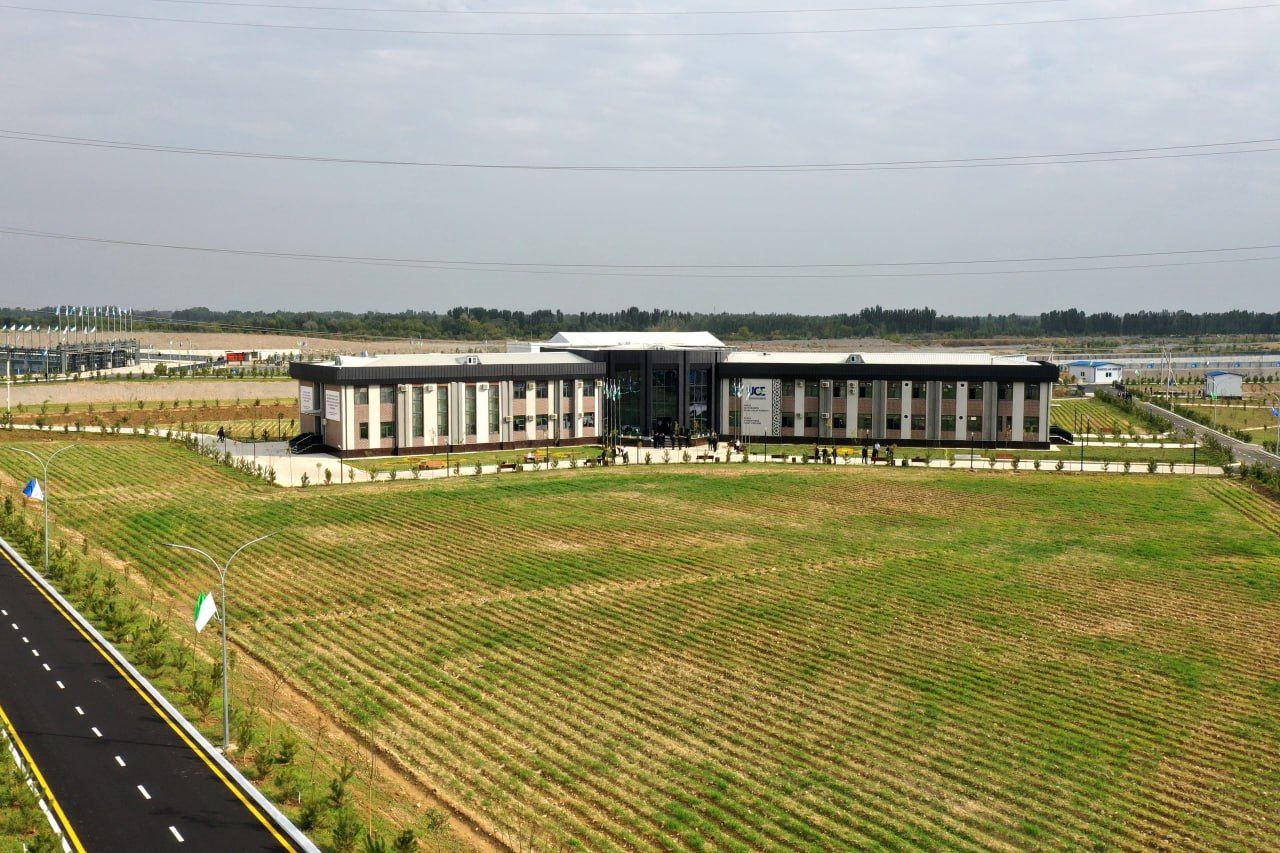

TASHKENT, Uzbekistan, September 17. Uzbekistan has put into operation the first stage of the Naryn HPP cascade, Trend reports via the Uzbek President’s Office.
The project is being implemented by Uzbekhydroenergo JSC and envisions the construction of six hydroelectric power plants on the Naryn River, with a total value of over $428 million and an aggregate capacity of 228 megawatts. At the first stage, HPP-1 has been launched.
A key feature of this facility is that it was built entirely using domestic materials and equipment, which allows it to be recognized as the first fully national hydroelectric power station in Uzbekistan. HPP-1 will generate 171 million kilowatt-hours of electricity annually, create 130 new jobs, and provide power to around 430,000 households. Its commissioning will also save up to 290 million cubic meters of natural gas per year, equivalent to nearly 300 billion soums ($24 million). Thus, the Naryn cascade is not only an important source of renewable energy but also a project with strong social and economic benefits.
For the first time in the history of Uzbekistan’s hydropower sector, horizontal capsule hydrounits with high efficiency even under low water pressure have been introduced, marking a new stage in the country’s hydroenergy development. Alongside the power unit, a spillway structure, administrative and service buildings, and a modern control room have been built.
Environmental protection measures are also a priority: 6,000 decorative trees have already been planted on the site, and another 7,000 fruit tree seedlings are planned for the spring season. This will not only improve the local ecosystem but also help turn the facility into a potential eco-tourism destination.
The Naryn HPP cascade is a strategic project aimed at strengthening Uzbekistan’s green economy and improving living standards. The launch of the second and third plants is scheduled for 2026, with the remaining units to be commissioned in 2027. Each of them will have a capacity of 38 megawatts and contribute to new job creation.
Large-scale renewable energy projects such as this are essential for ensuring a stable power supply to the population, supporting the uninterrupted operations of industry, and raising economic efficiency. Over the past few years alone, Uzbekistan has launched more than ten solar, wind, and hydroelectric power stations with a total capacity of 450 megawatts across the Kashkadarya, Navoi, Samarkand, and Surkhandarya regions.



