



ASTANA, Kazakhstan, January 20. Kazakhstan is strengthening its fiscal policy by launching new tax reforms aimed at increasing revenues, Trend reports.
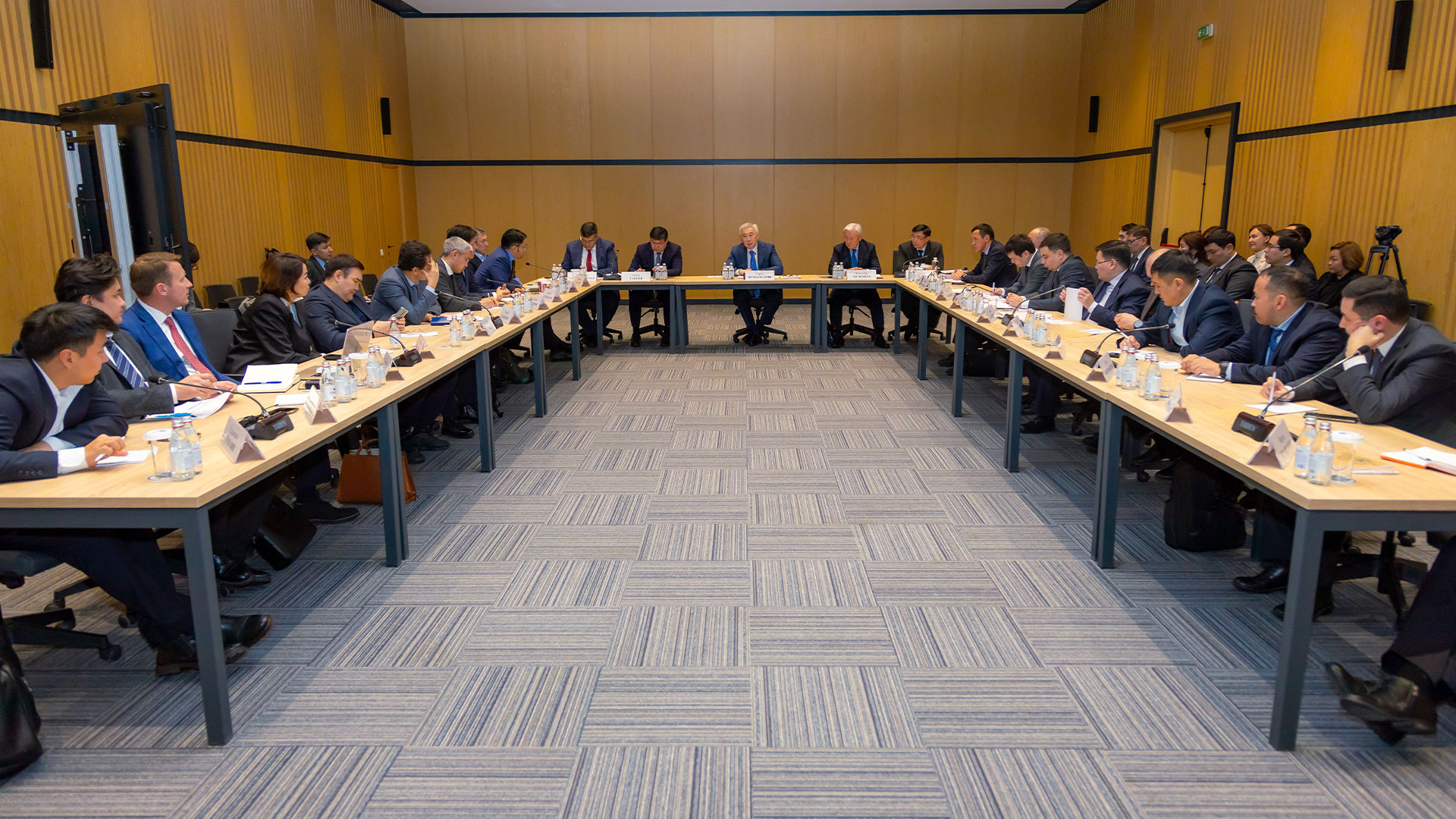
A set of new and already proposed measures within the framework of the development of a new tax code was discussed at a meeting of the Expert Council under the Ministry of National Economy of Kazakhstan, chaired by Minister of National Economy Serik Zhumangarin.
The meeting was attended by Finance Minister Madi Takiyev, Deputy Chairman of the National Bank Akylzhan Baymagambetov, Deputy Minister of National Economy Azamat Amrin, and more than 20 experts, including heads of major financial, investment, analytical, and consulting organizations, the Council of the Association of Financiers of Kazakhstan, and the NCE (National Chamber of Entrepreneurs) "Atameken."
Participants discussed measures to increase budget revenues, including a set of new and already proposed measures within the framework of the new tax code development. Most participants agreed with the proposed changes in the new draft code, which include the elimination of several existing tax benefits, an increase in the corporate income tax (CIT) rate for banks and financial organizations, a shift in the introduction of taxation on government securities rewards from 2030 to 2026, and a review of the taxation of gambling businesses. The goal of these measures is to boost budget revenues by over 1 trillion tenge, or approximately $1.9 billion.
However, these changes are insufficient to cover the existing gap between budget expenditures and revenues. As noted during the meeting, the annual burden on the budget is increasing, social spending is growing, while less than 10 percent of the budget is allocated to the development of the real economy sector. Without reforms in the tax and budget sphere, it is almost impossible to rectify the situation.
At the end of the meeting, participants expressed their opinions and proposals for balancing the disparities between monetary credit and fiscal policies and improving the efficiency of the tax system.



