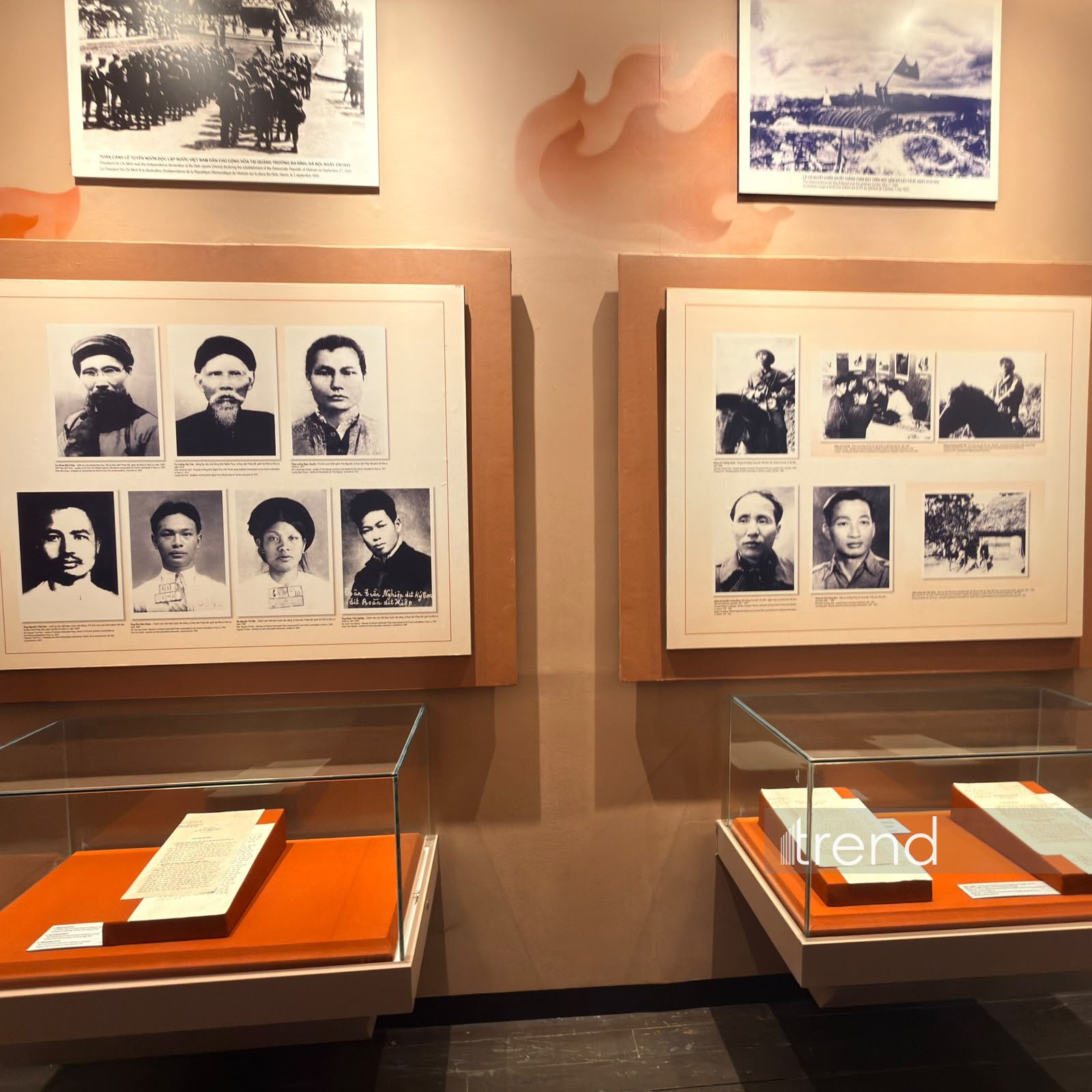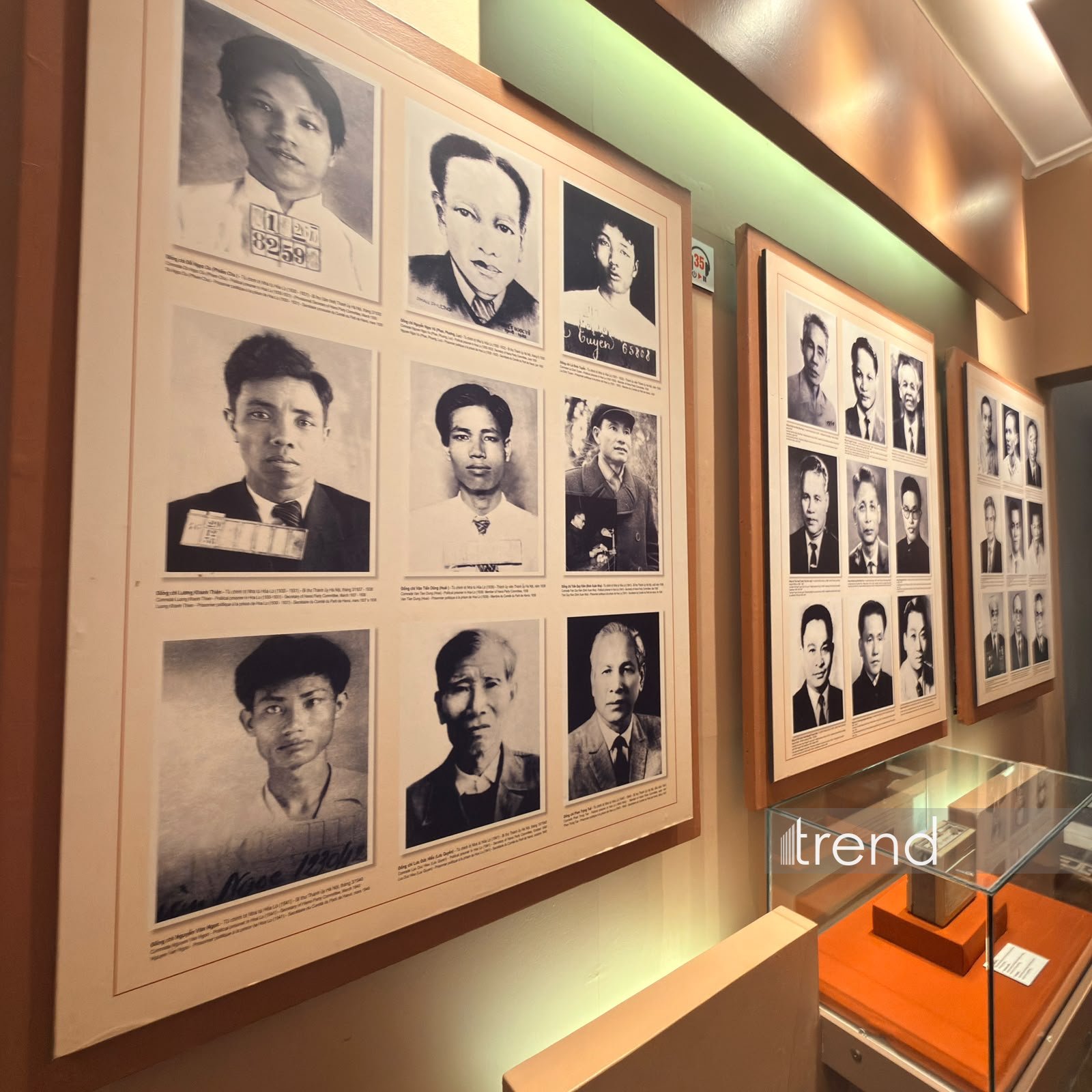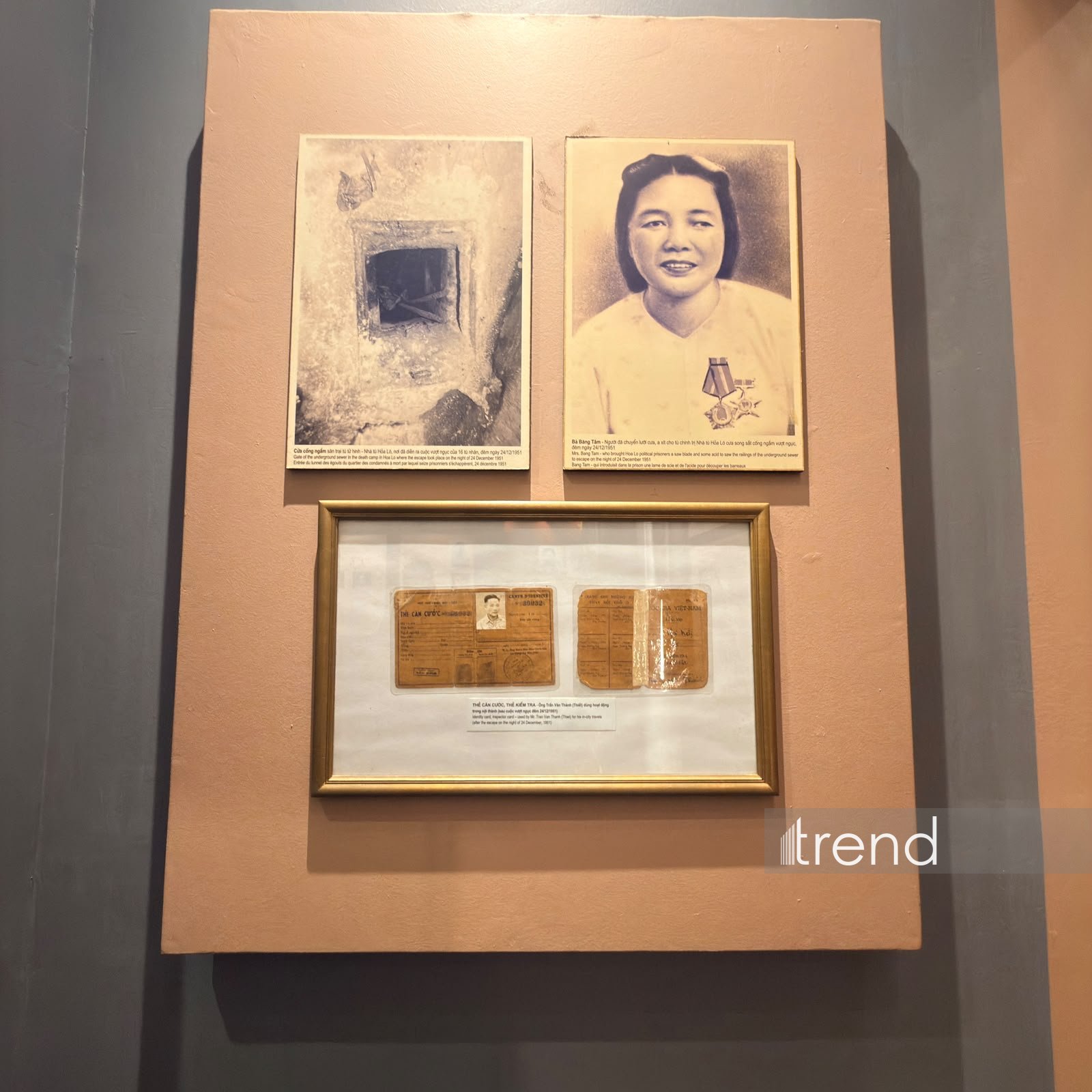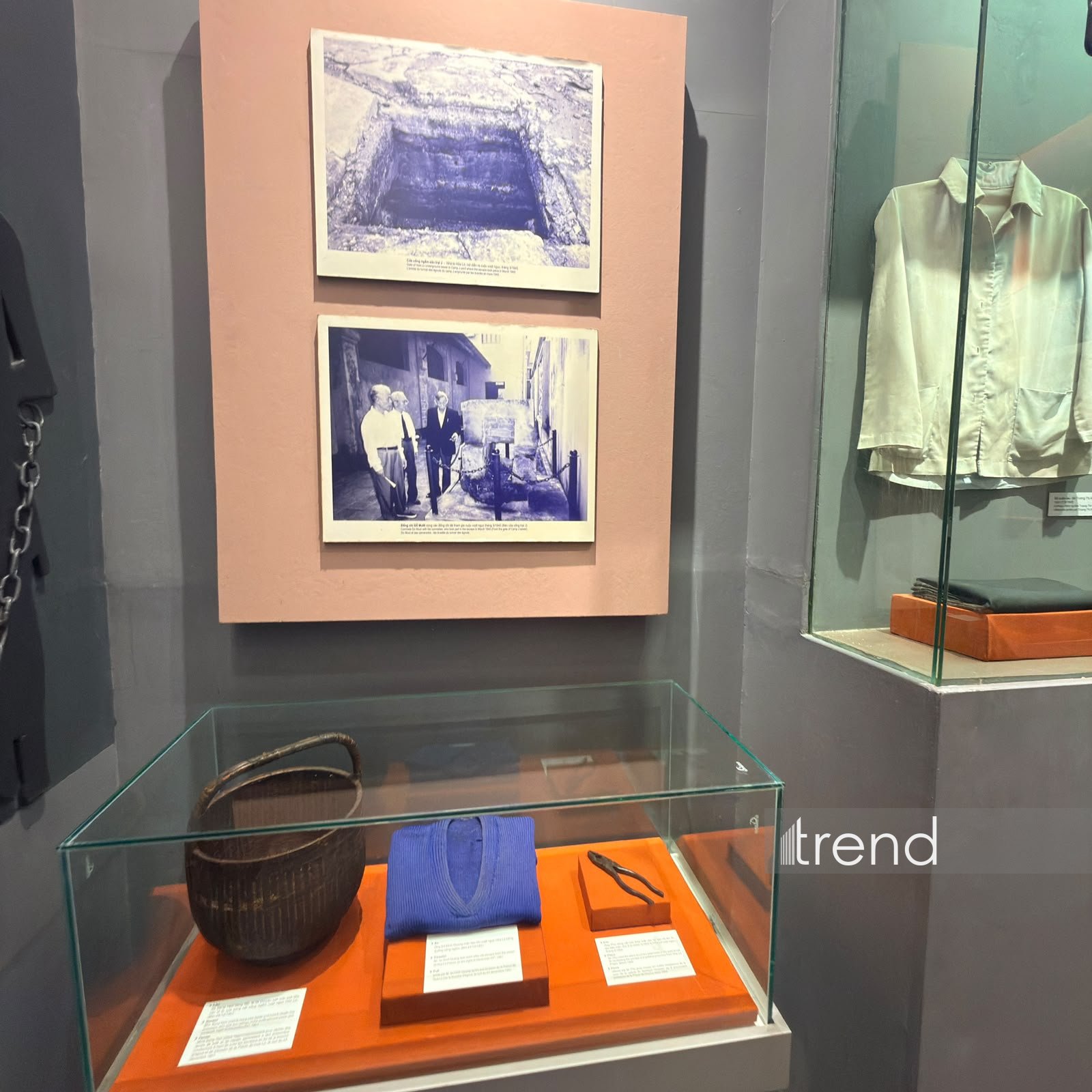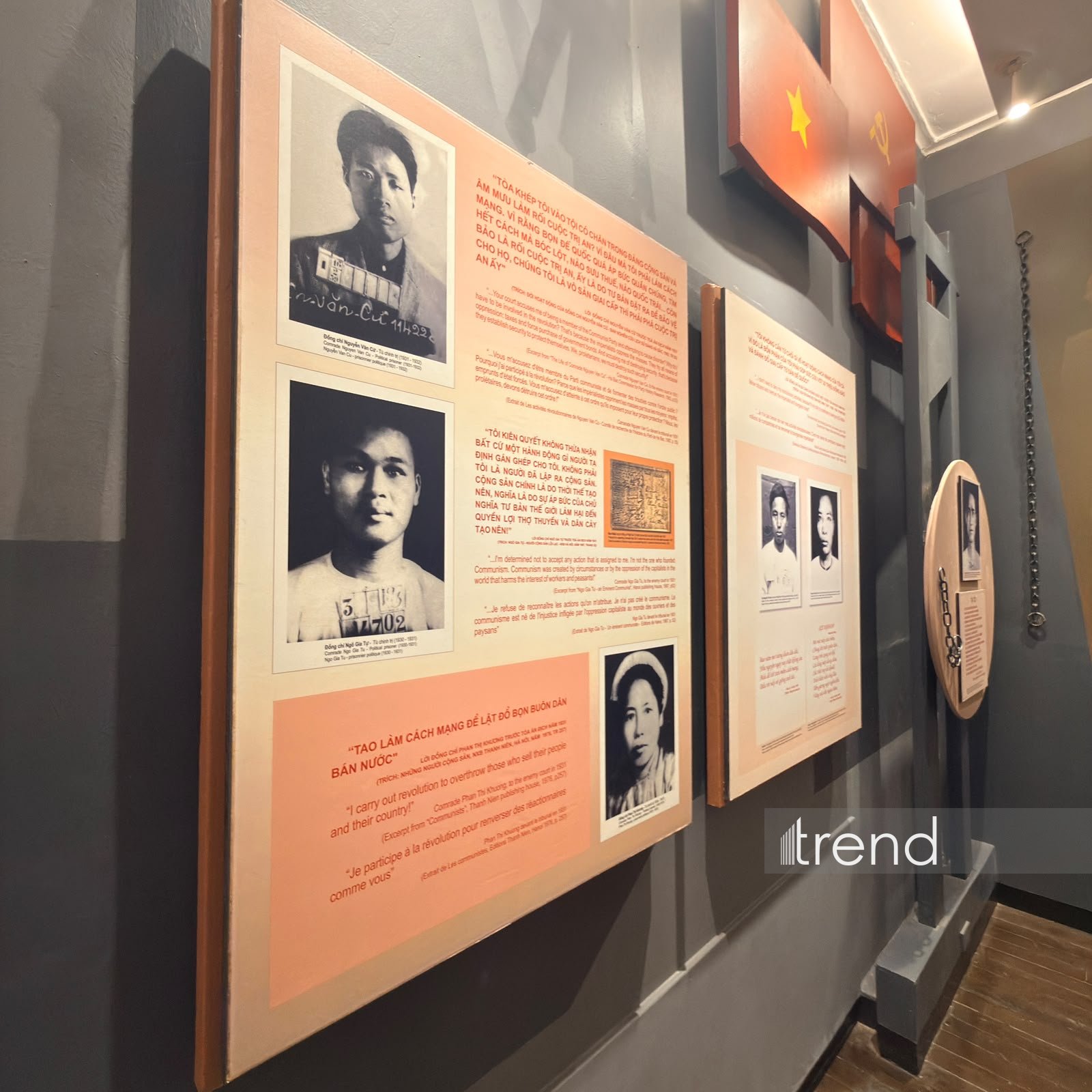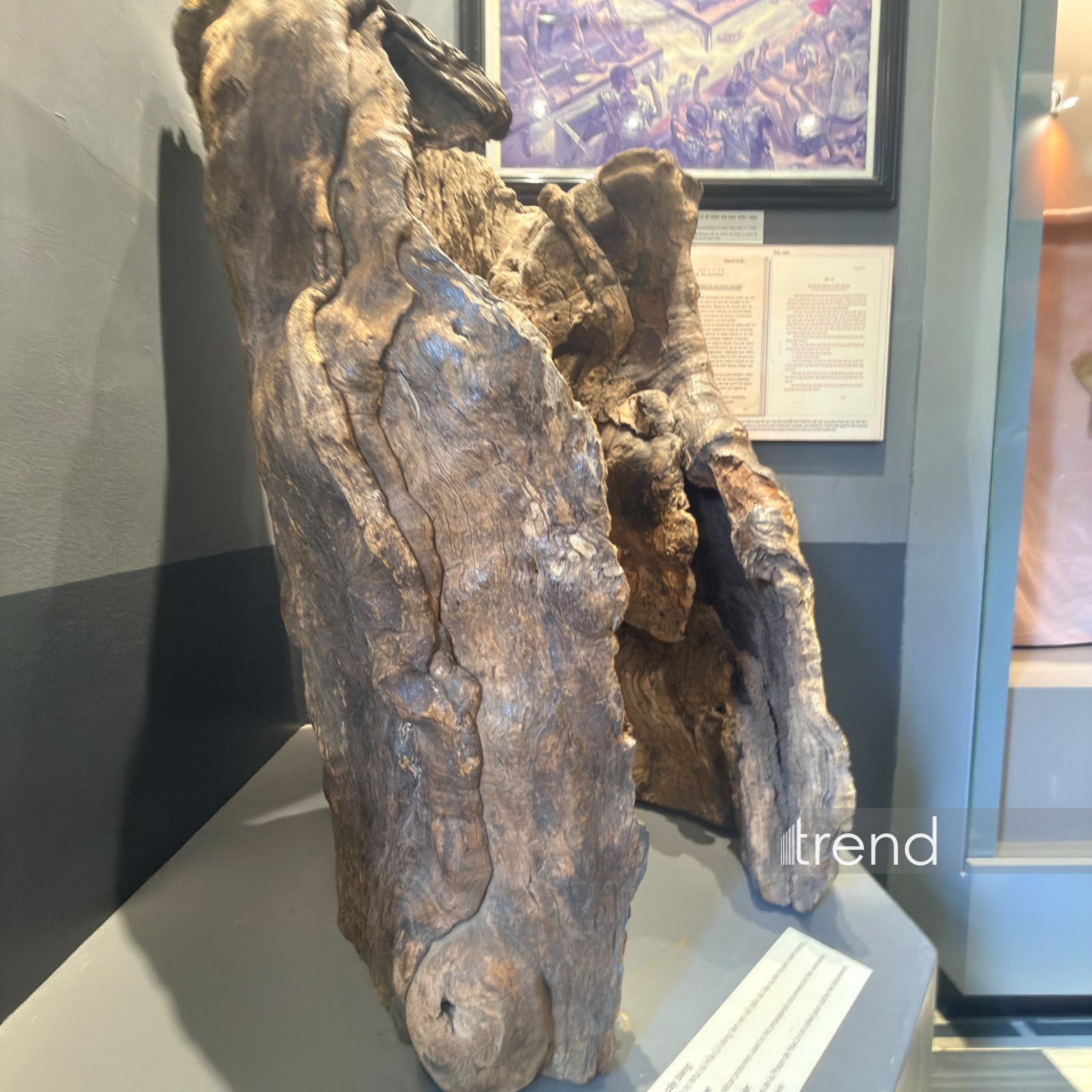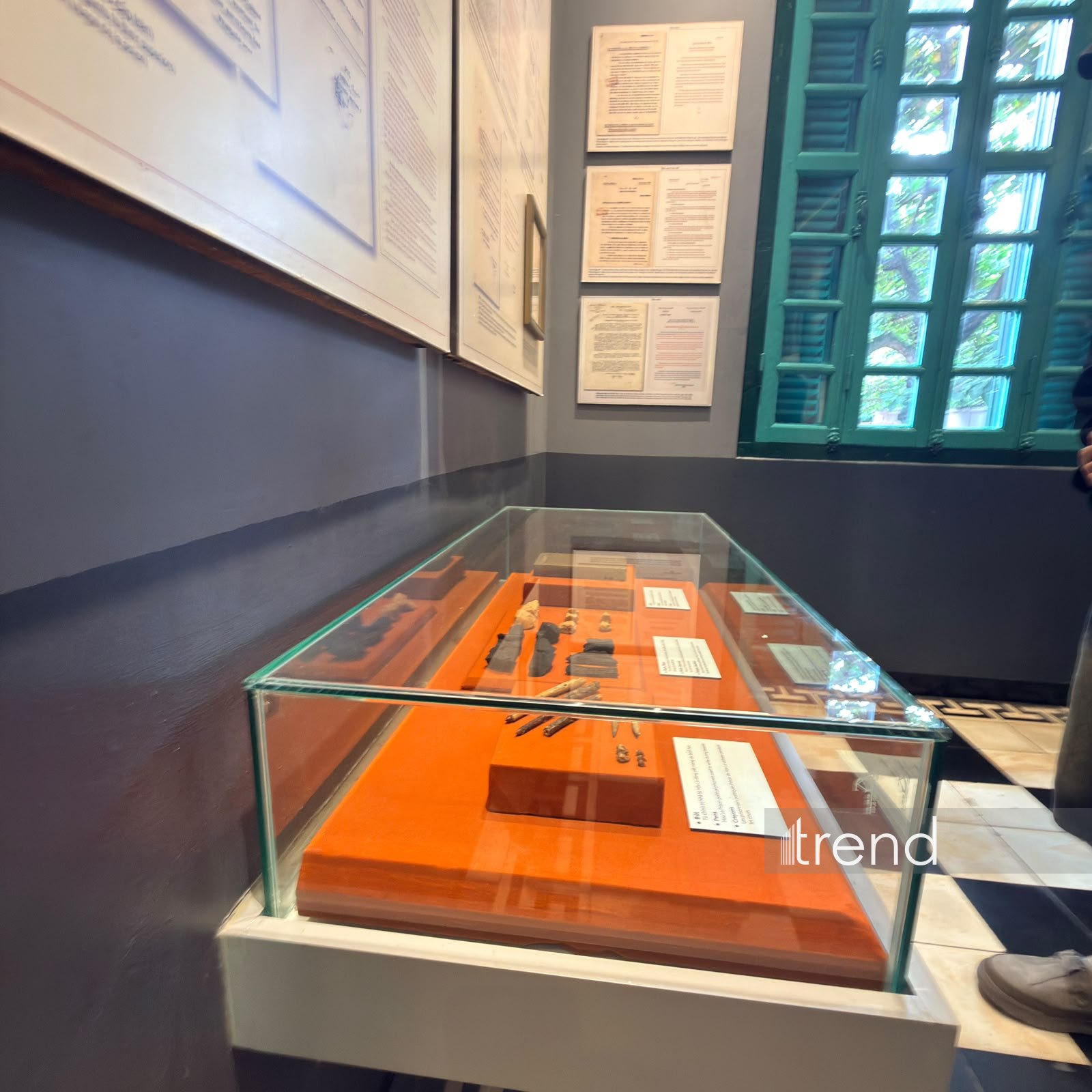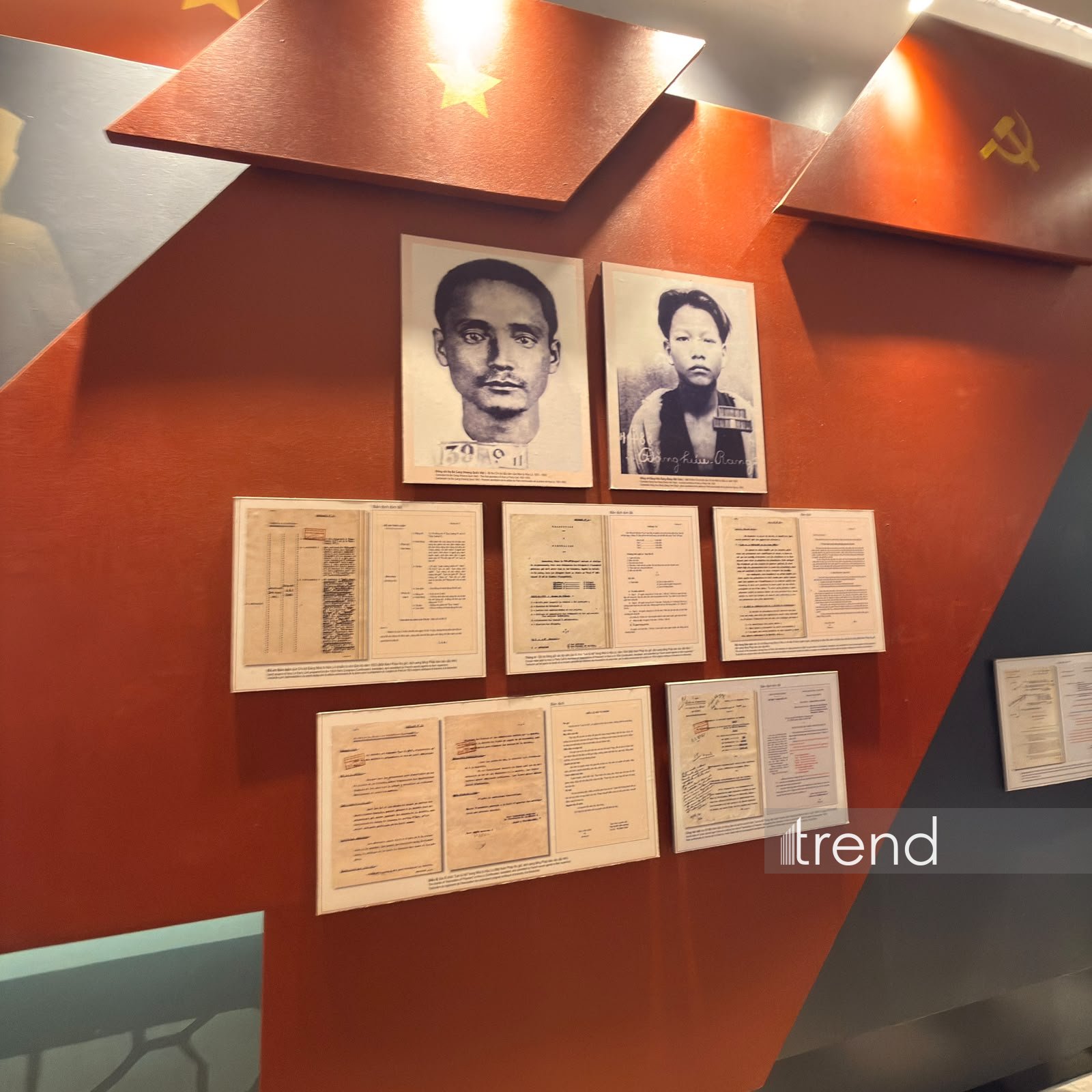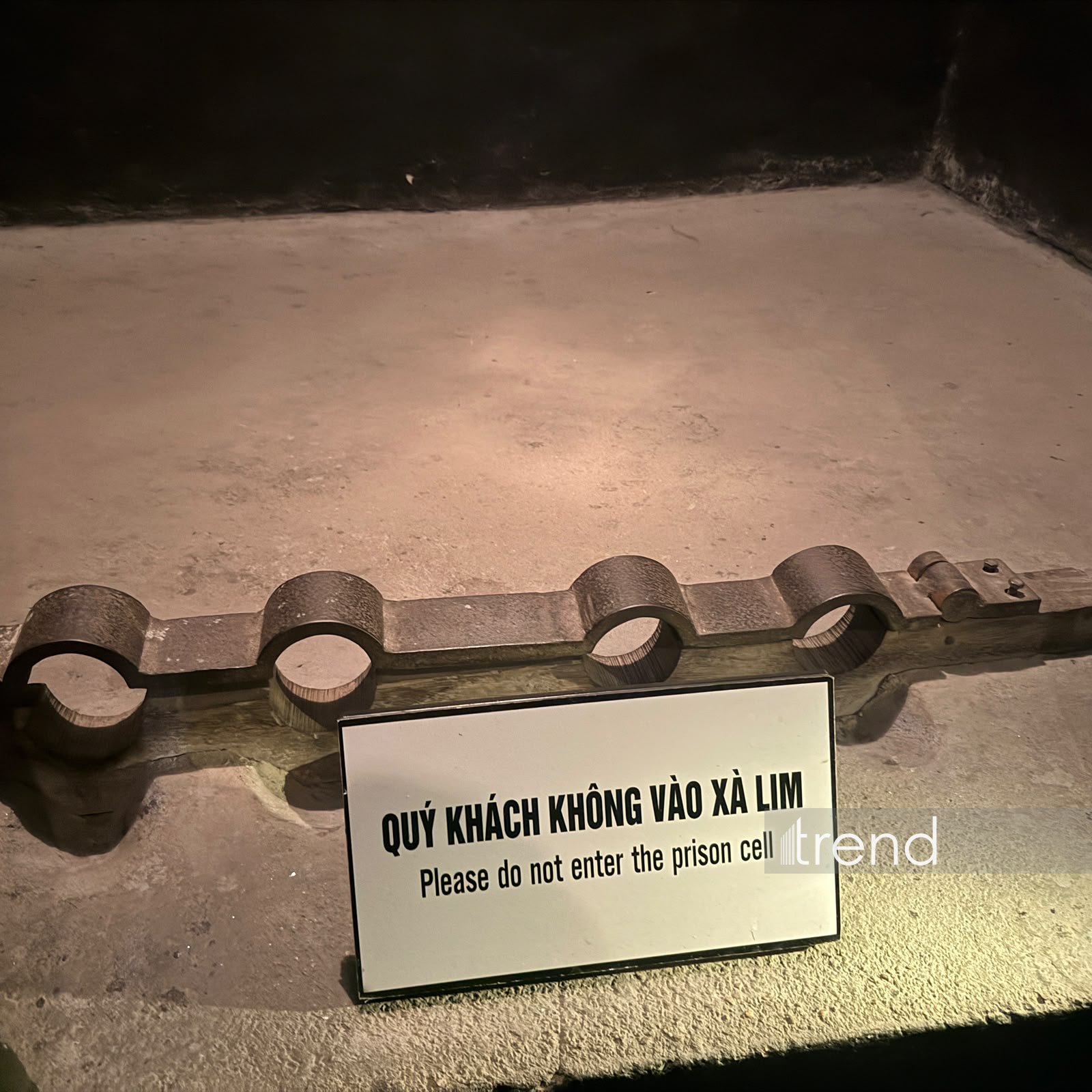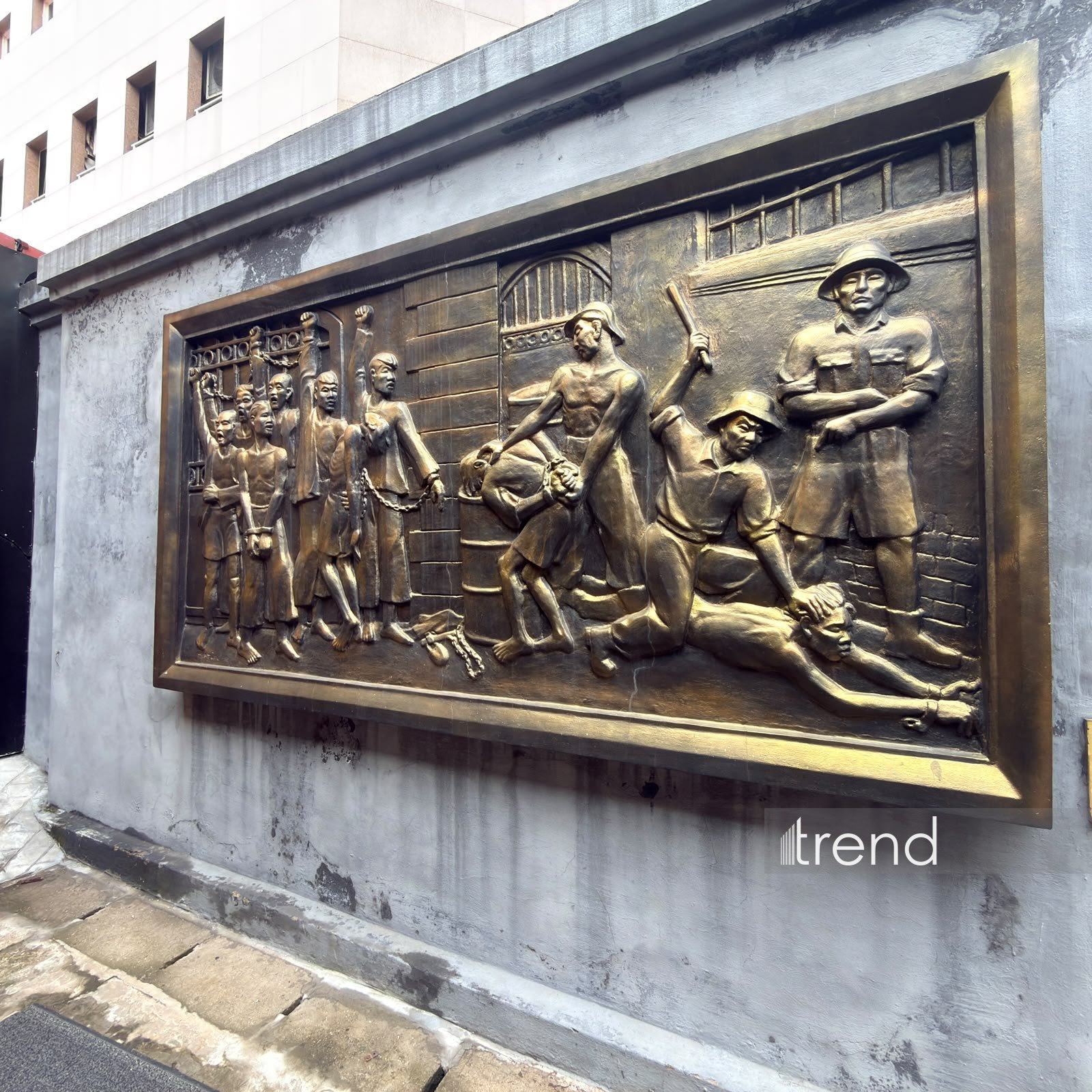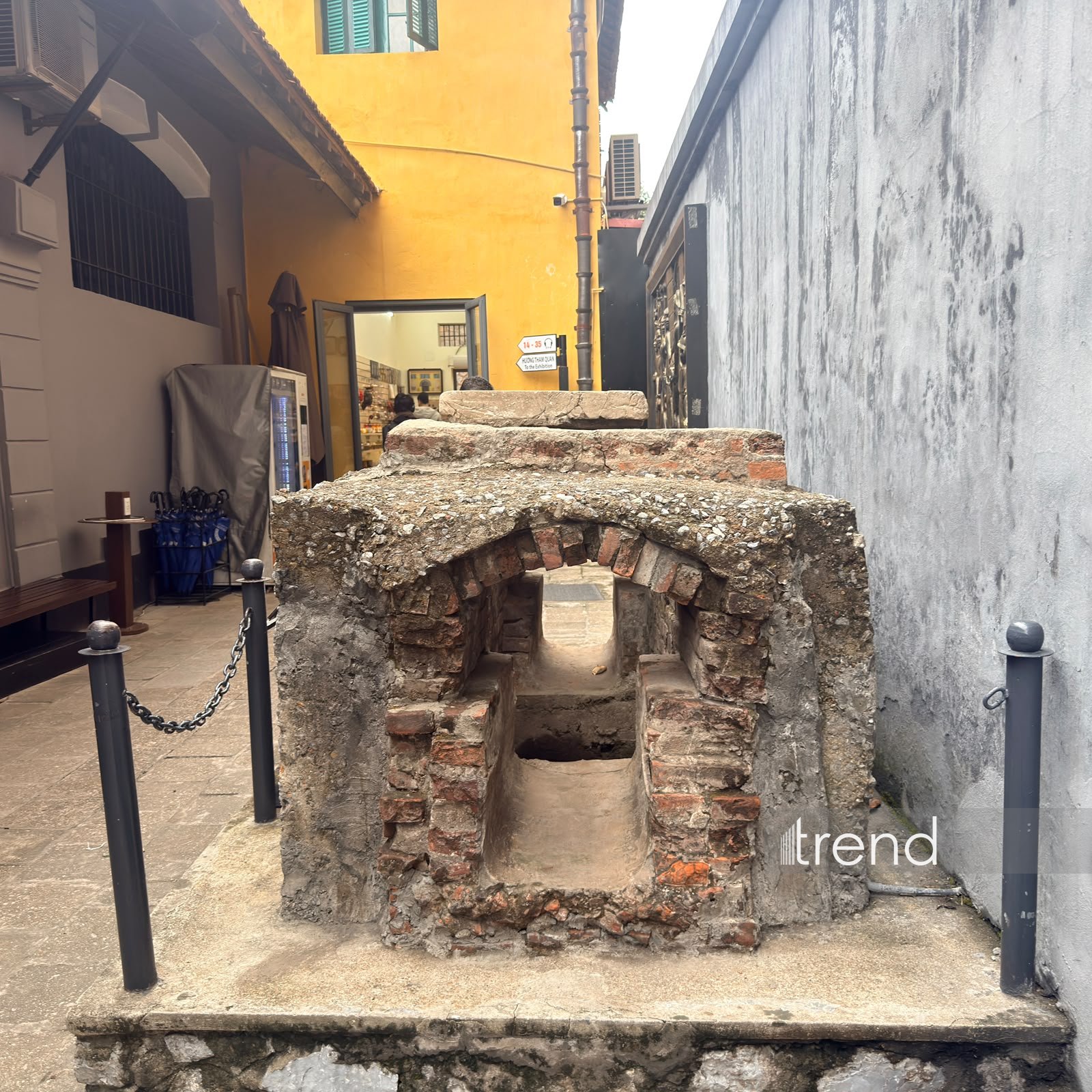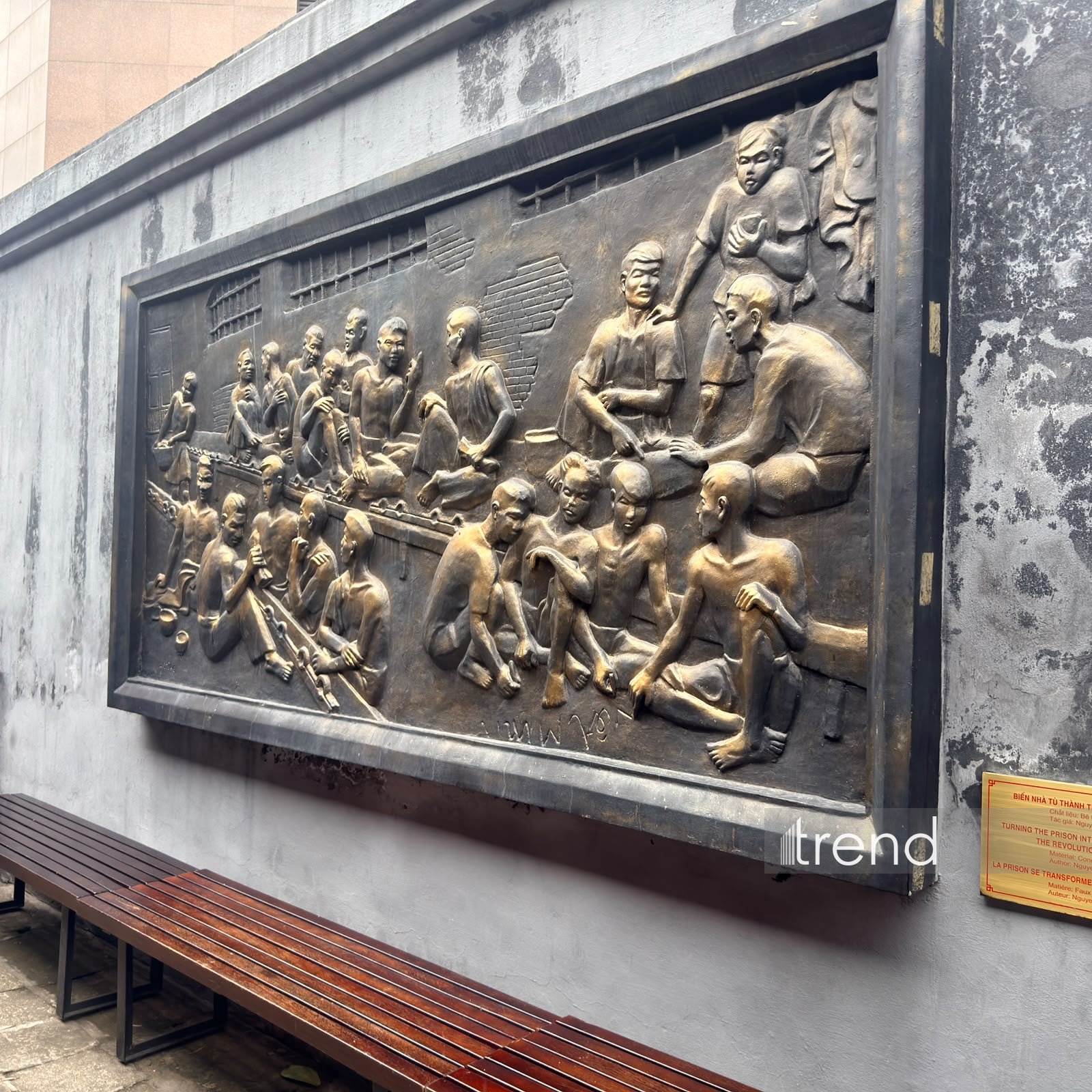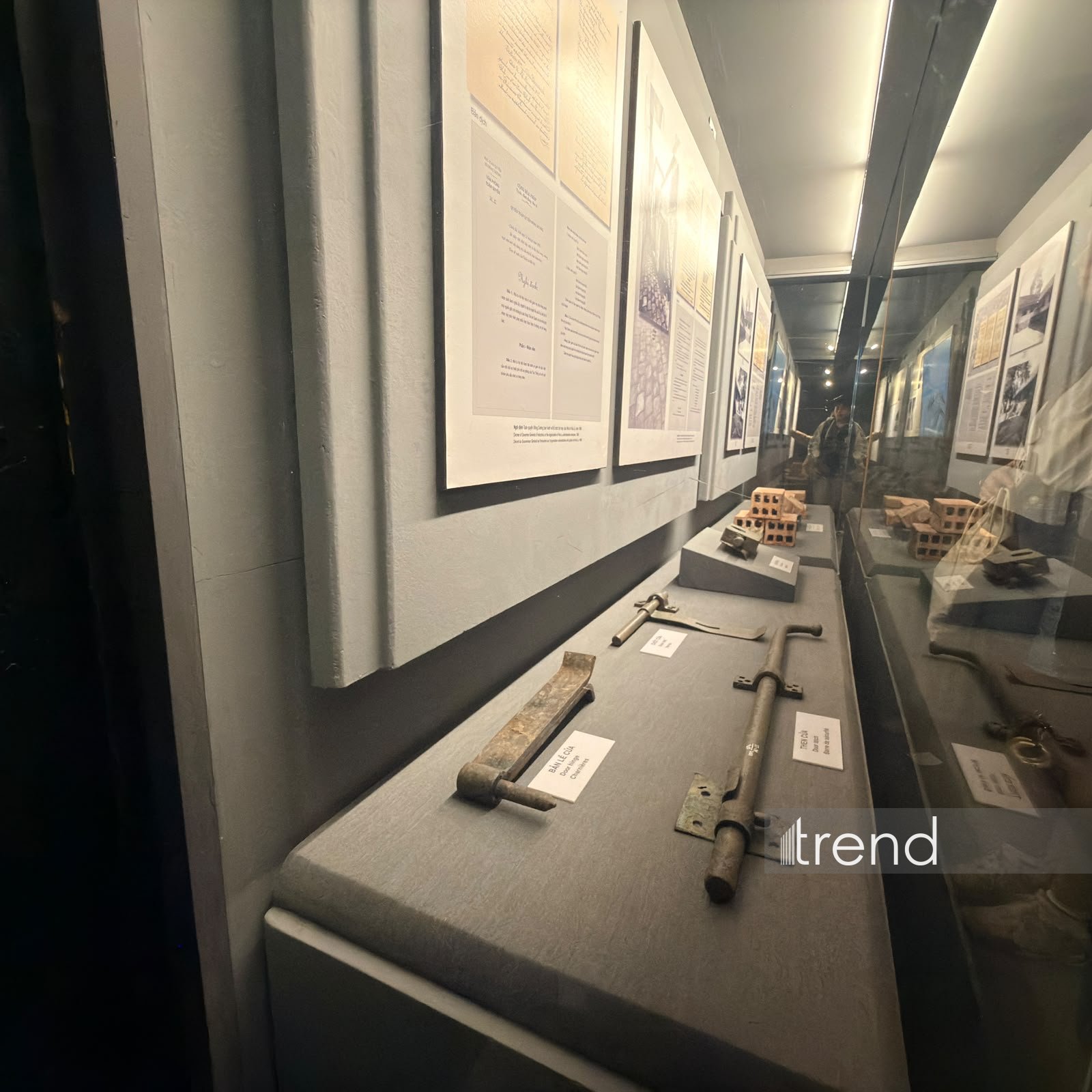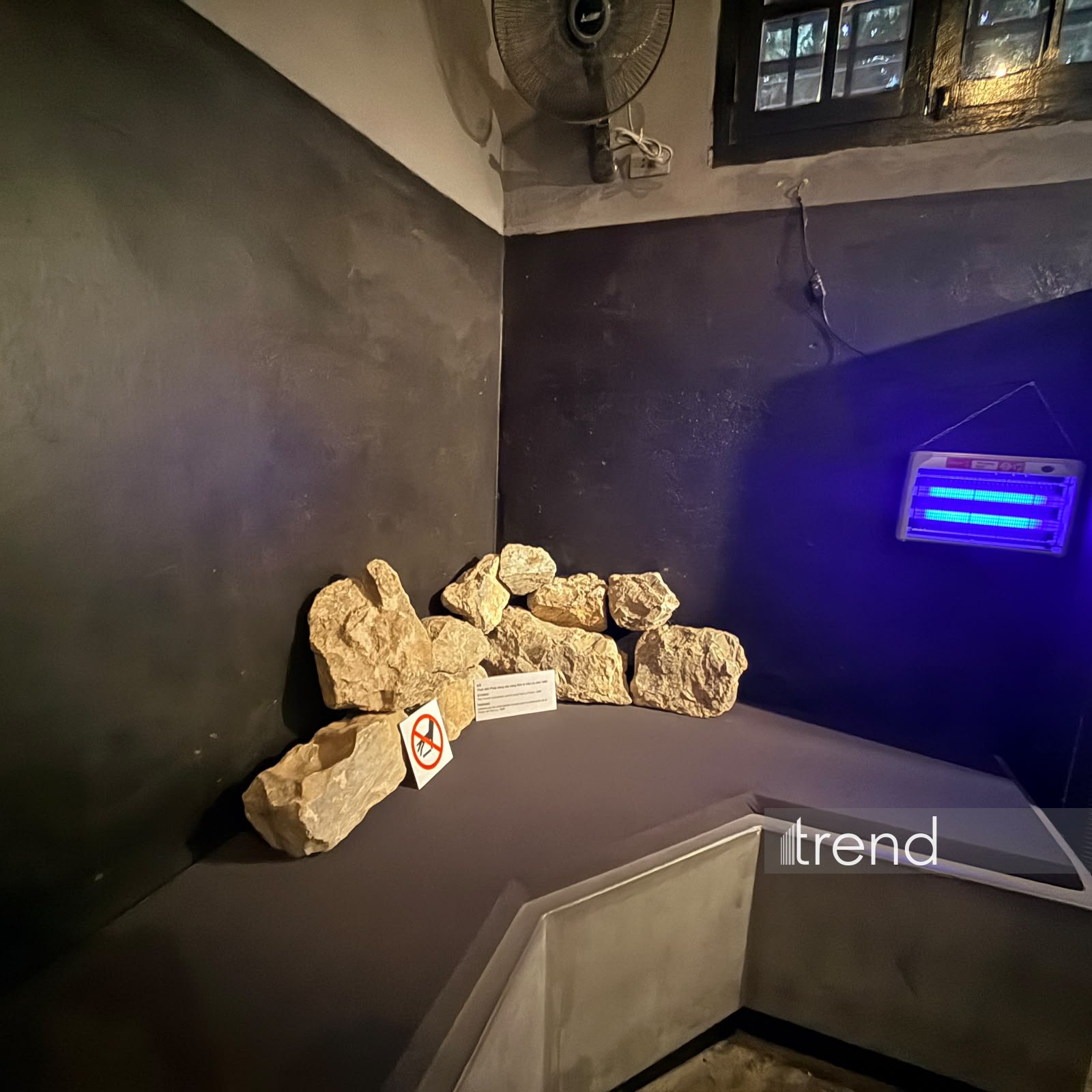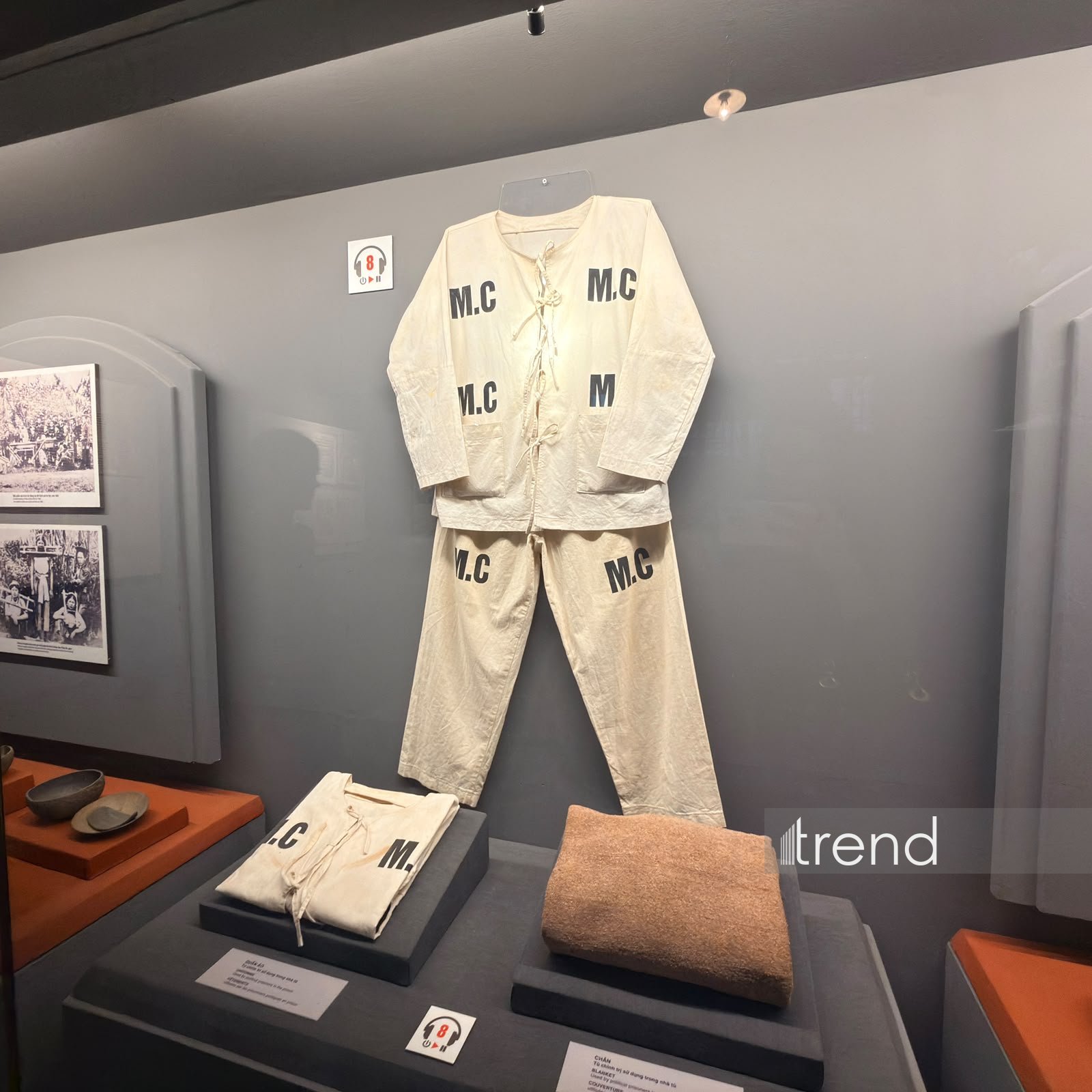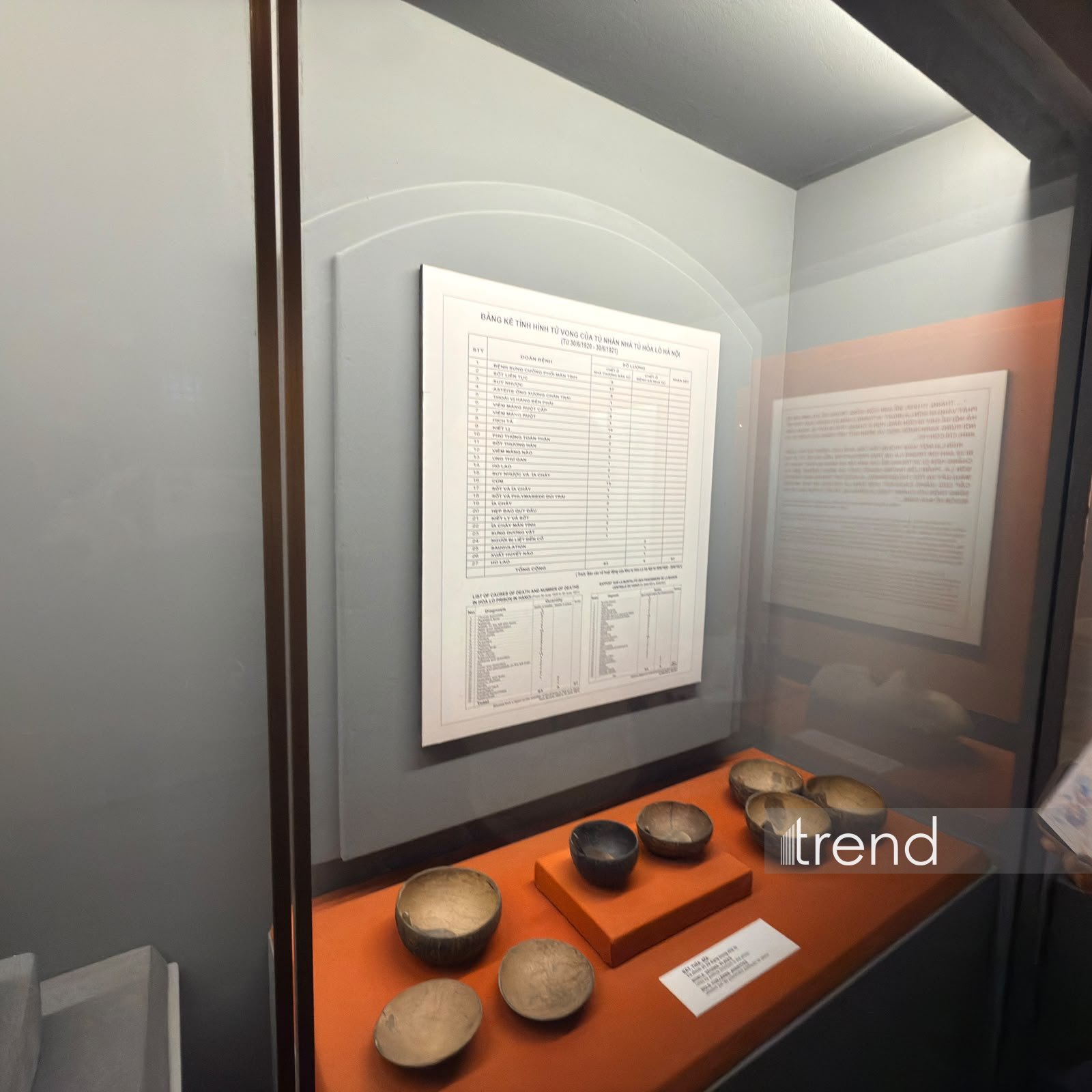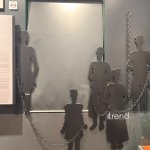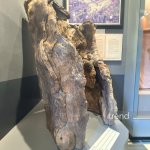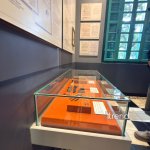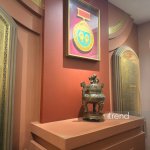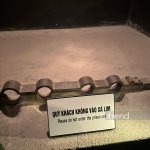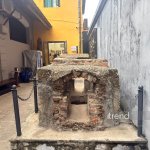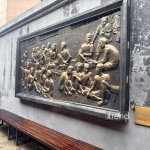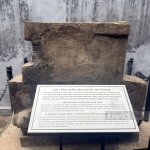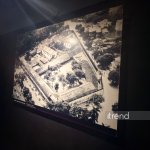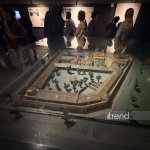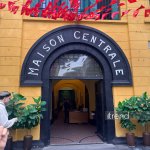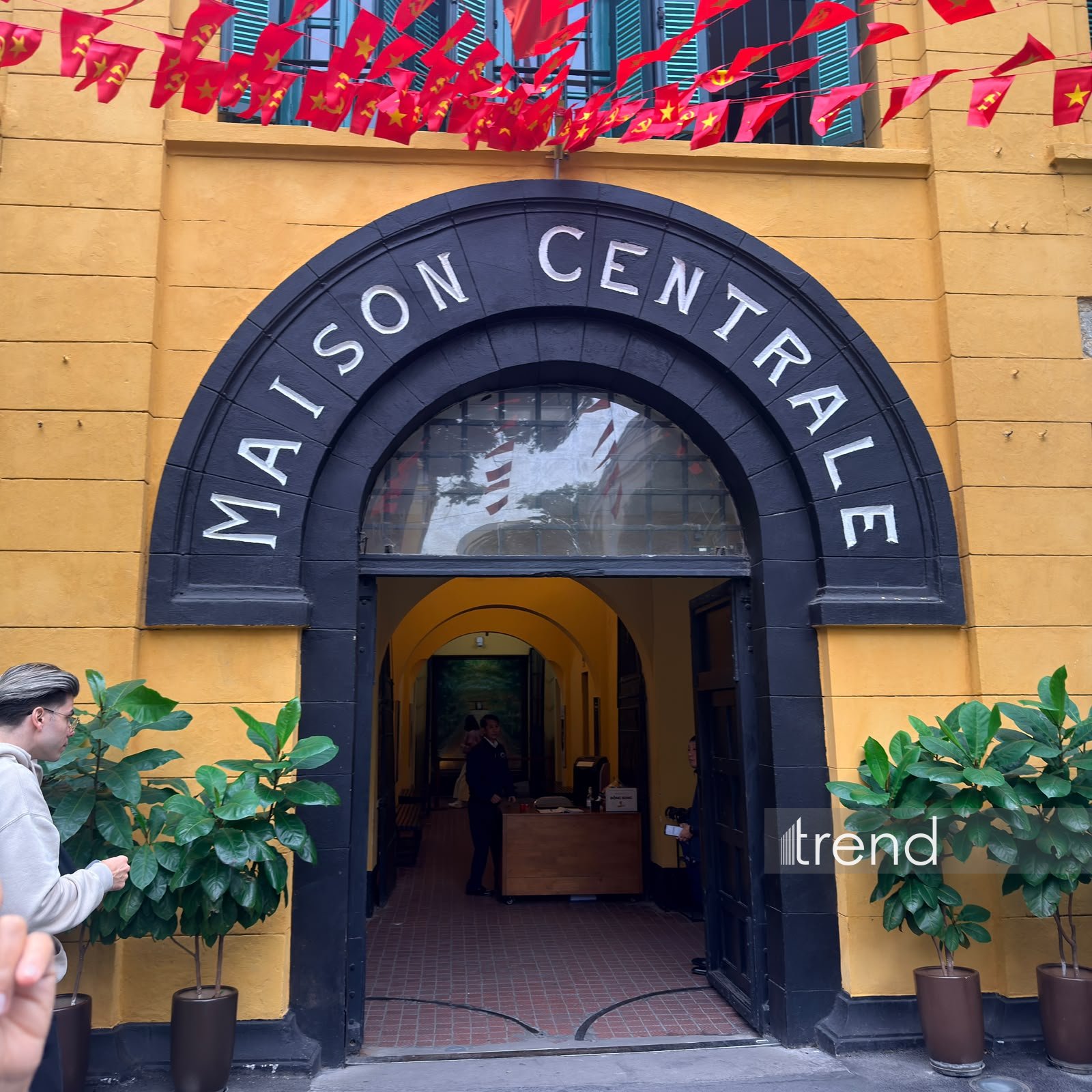

HANOI, Vietnam, November 20. As part of a visit by a delegation of Azerbaijani journalists to Hanoi to cover the official visit of Azerbaijani President Ilham Aliyev to Vietnam, Trend's correspondent visited the Hoa Lo historical complex, one of the best-known landmarks in the Vietnamese capital, which preserves the memory of the country's struggle for independence.
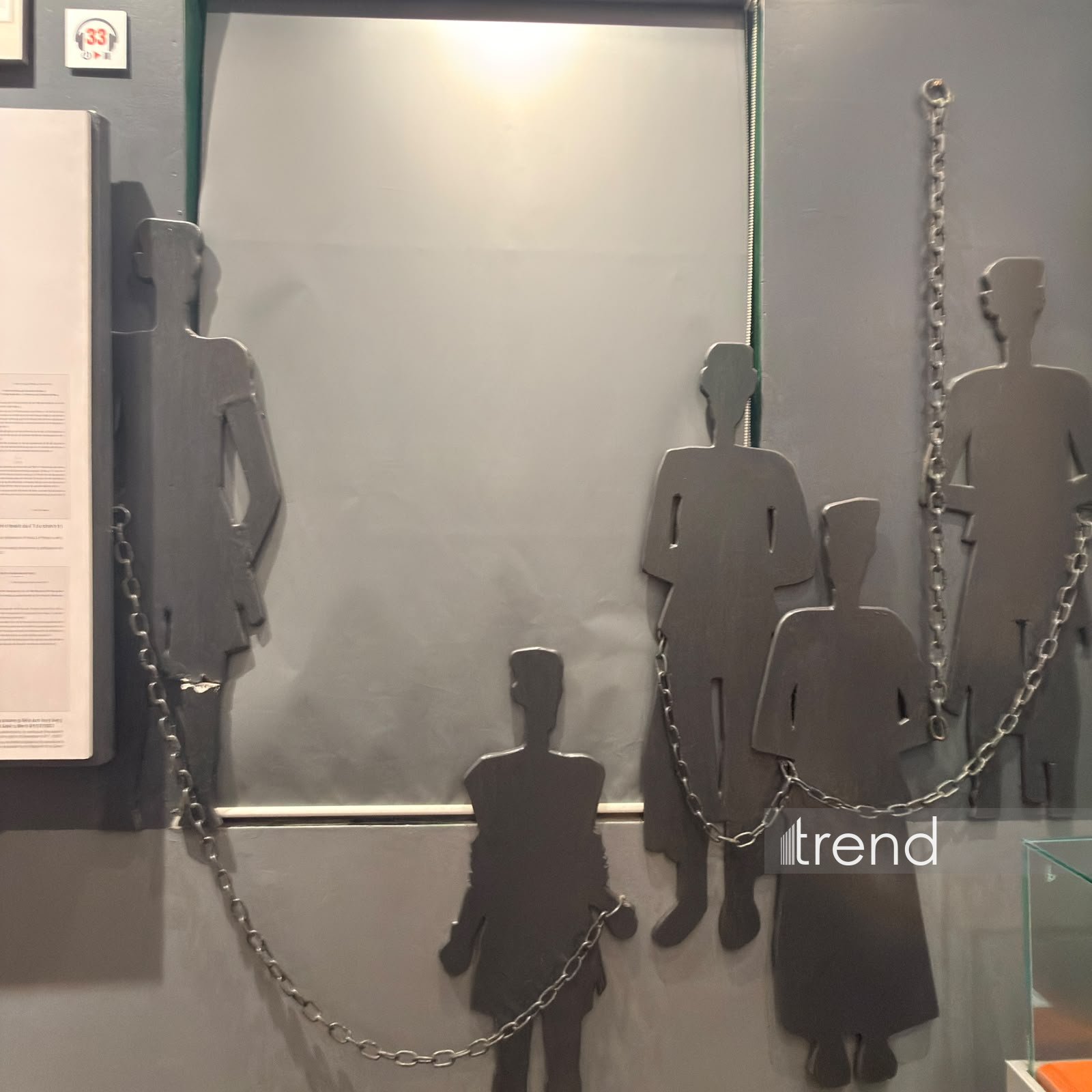
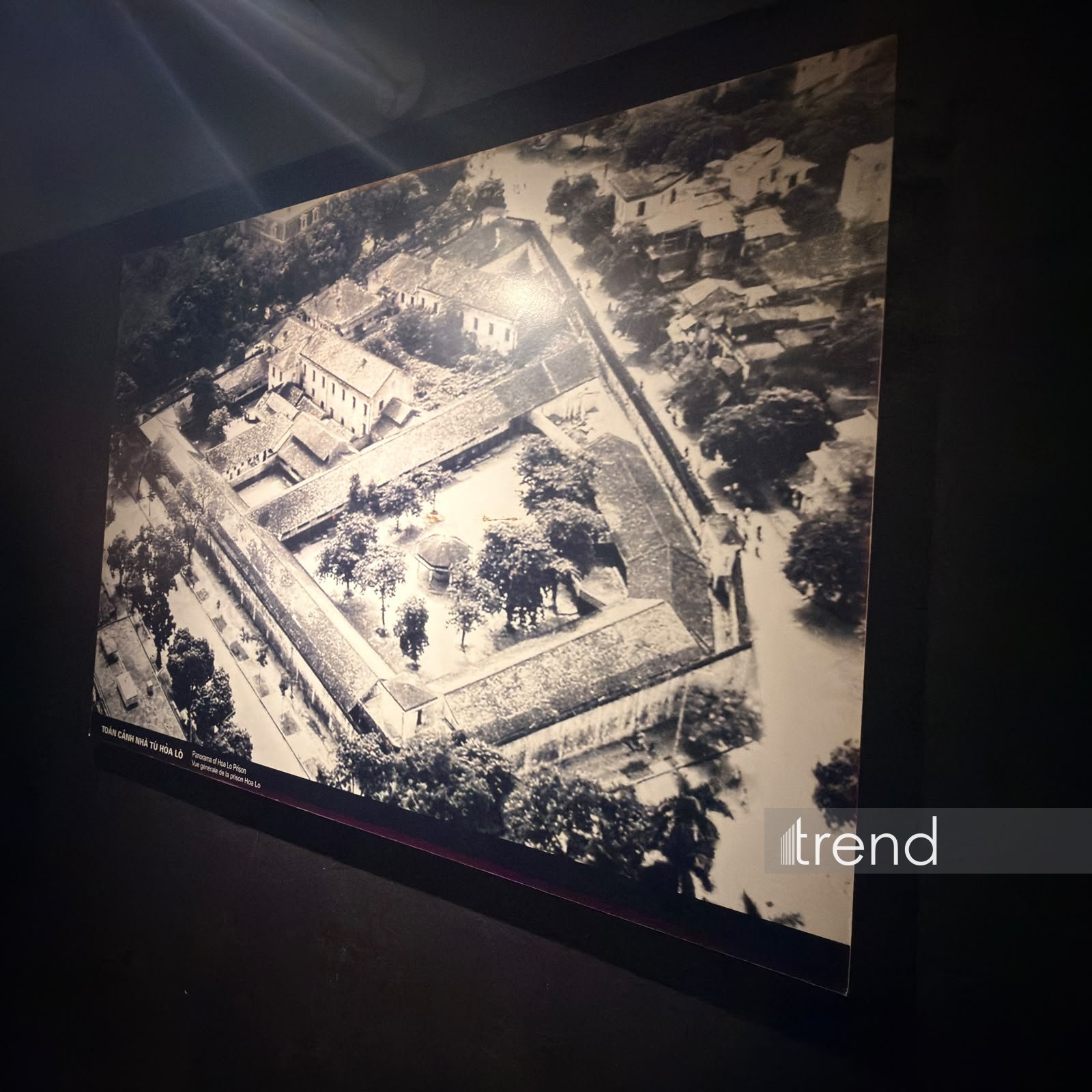
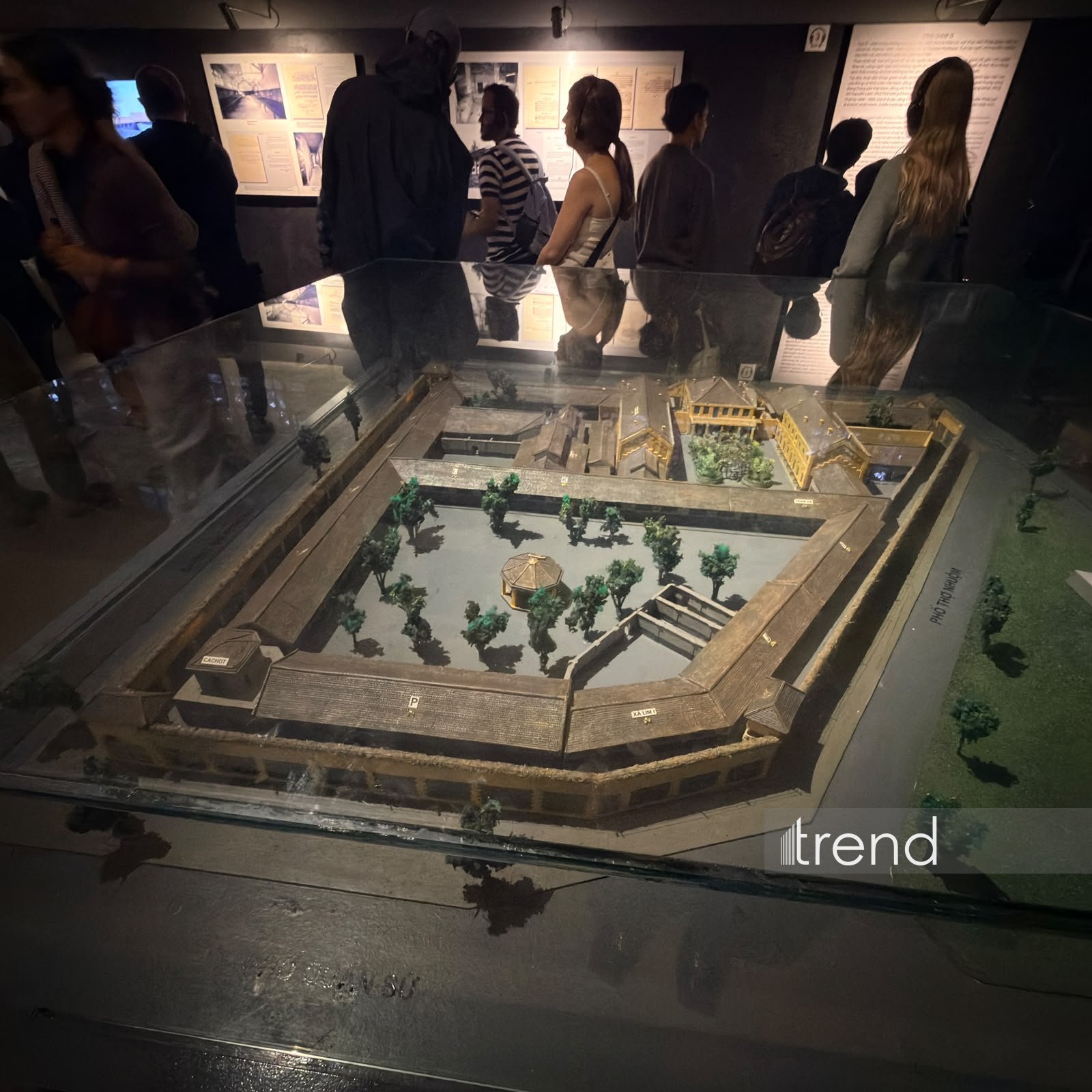
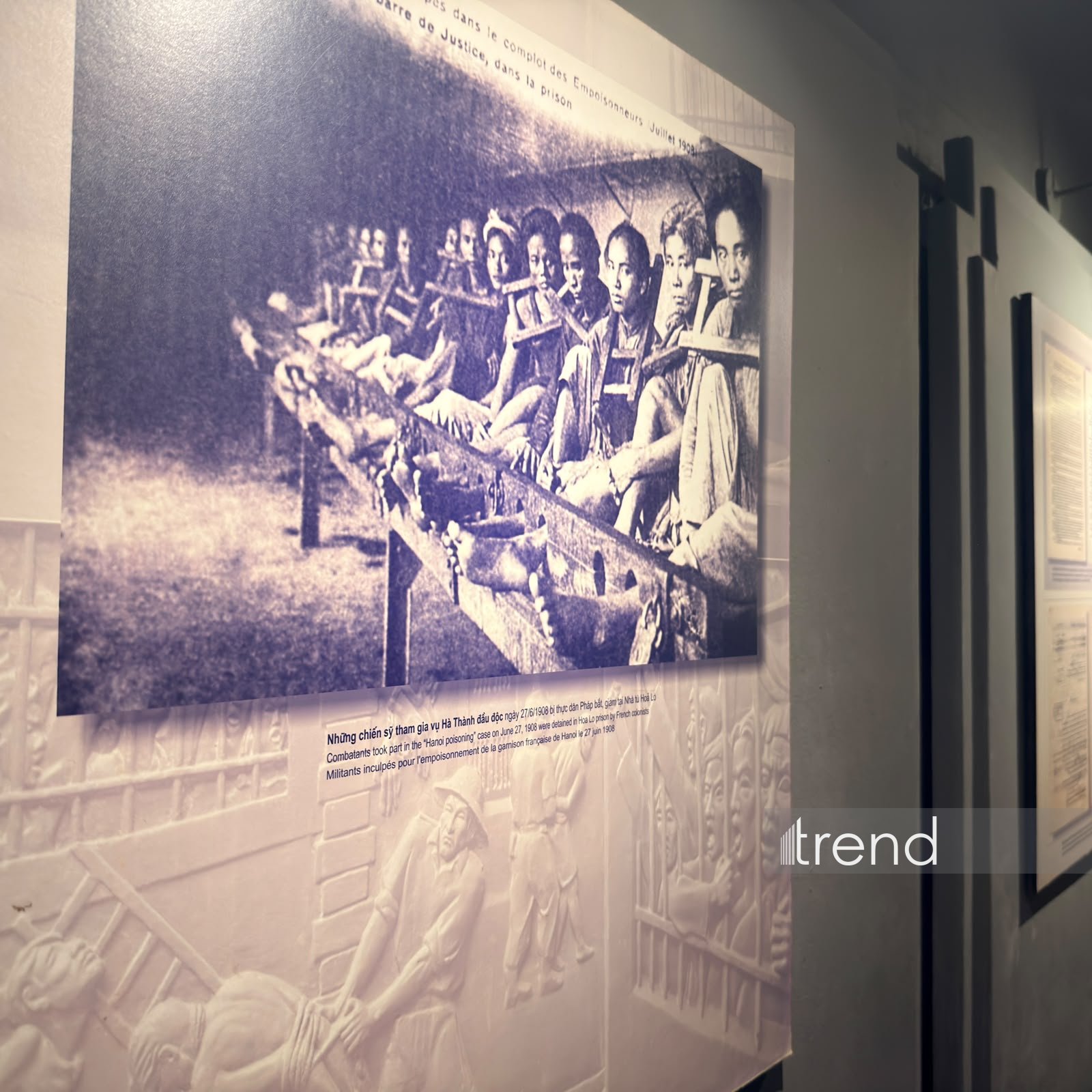
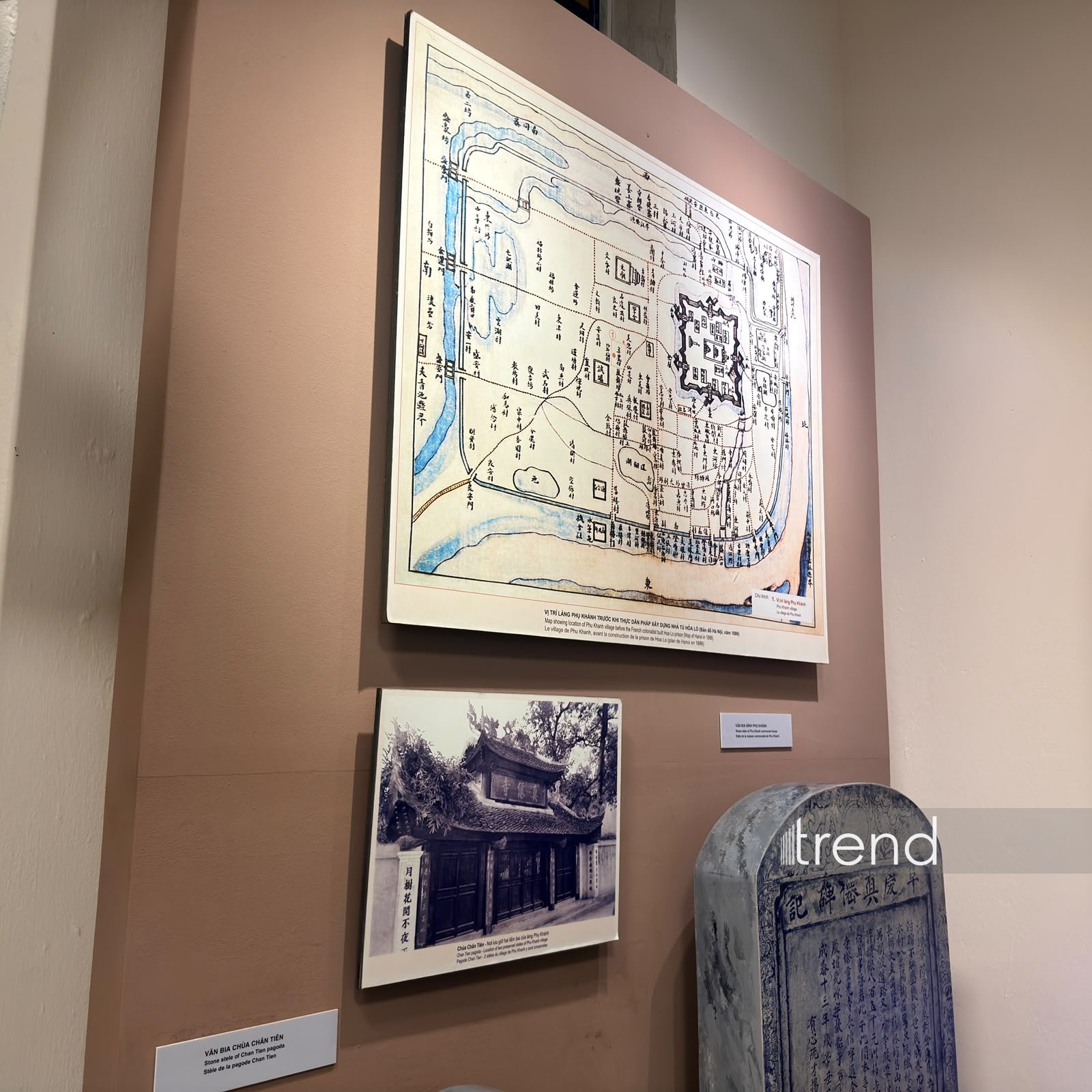
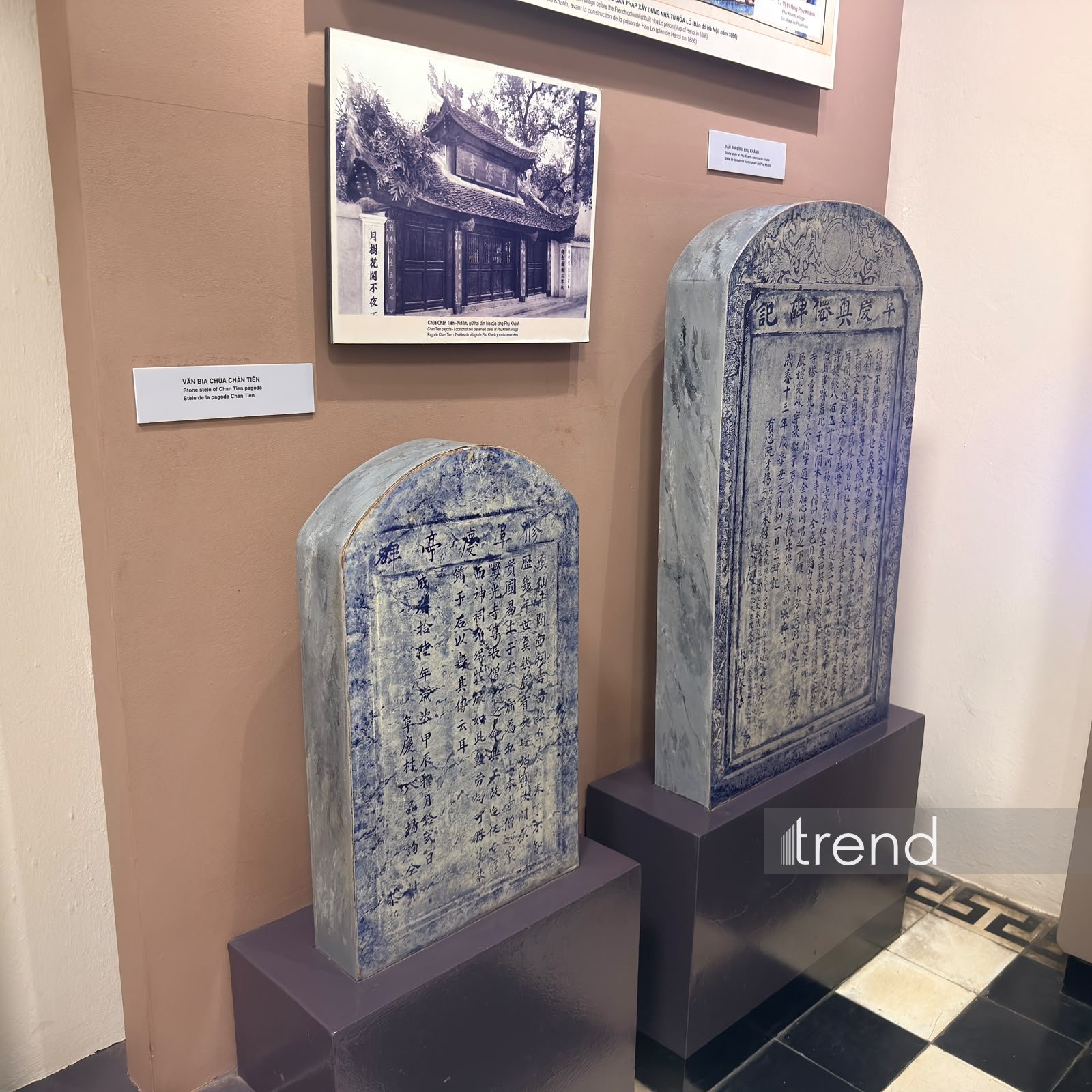
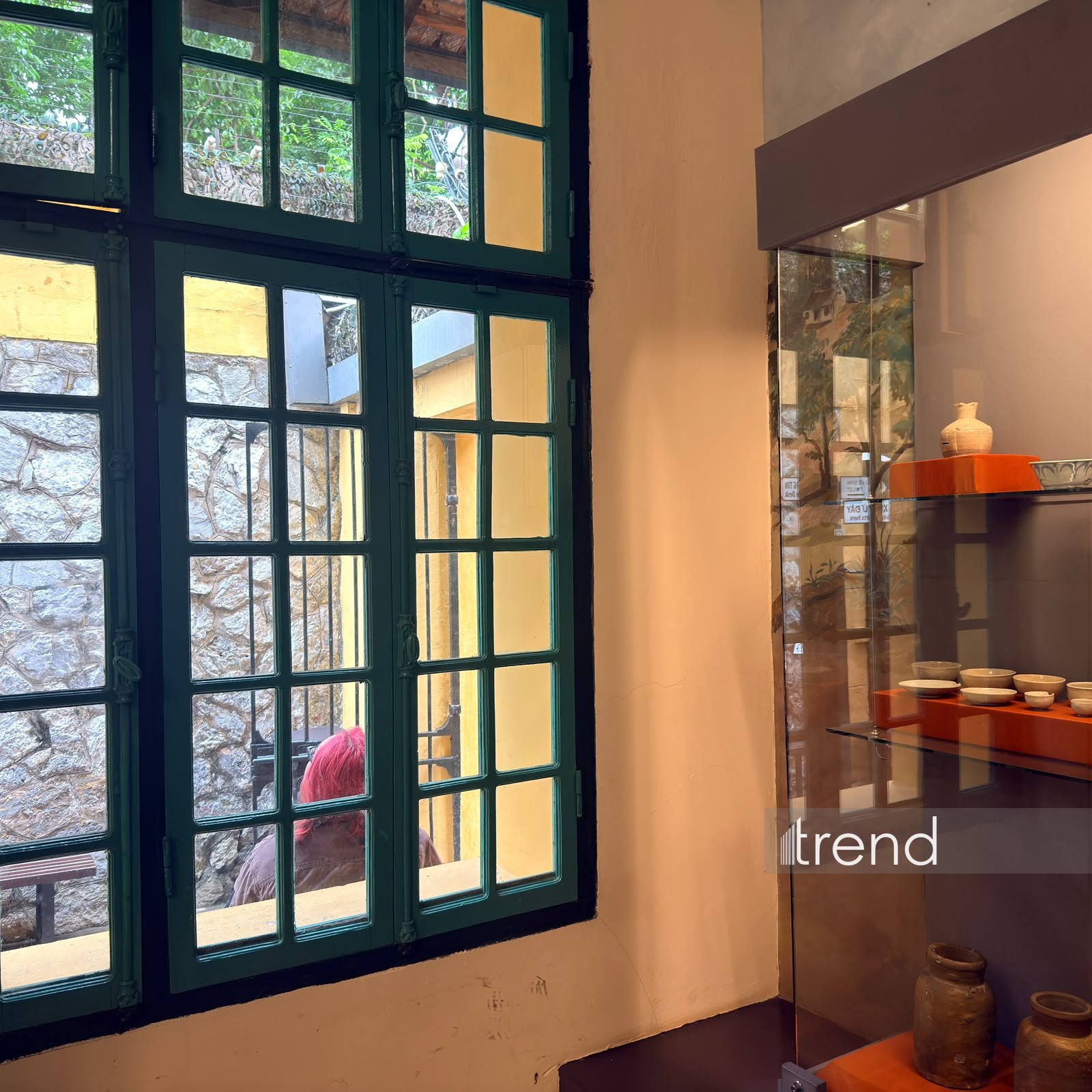
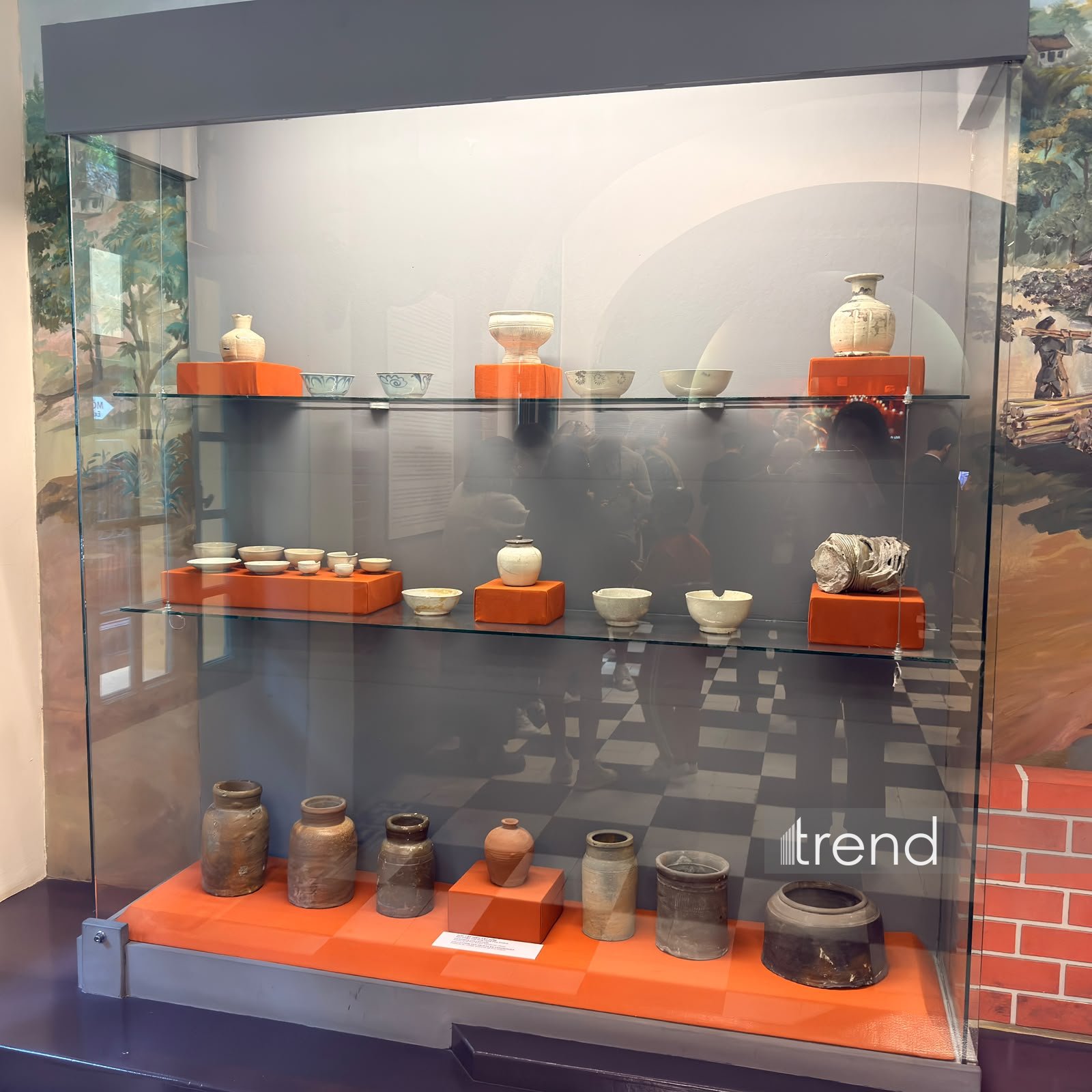
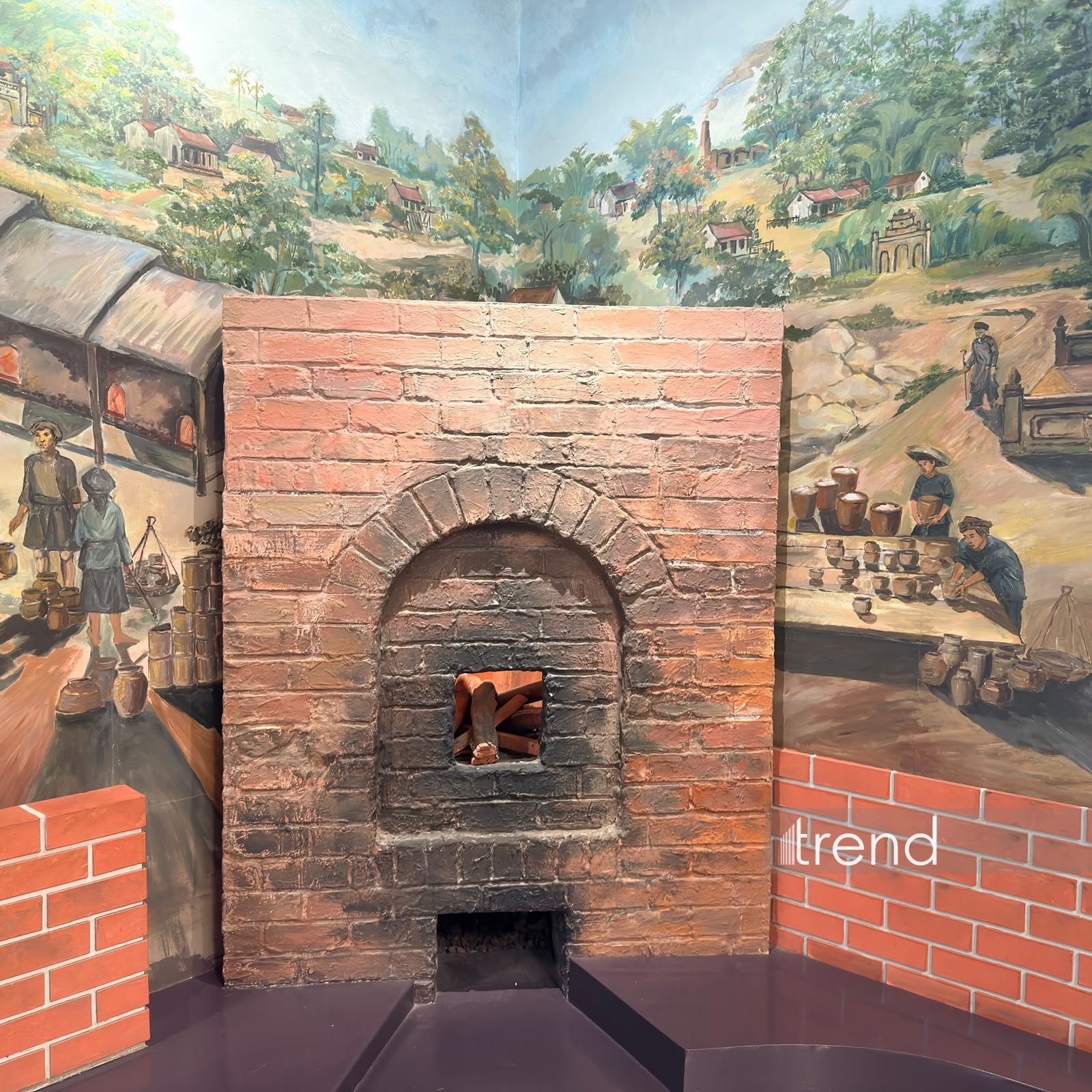
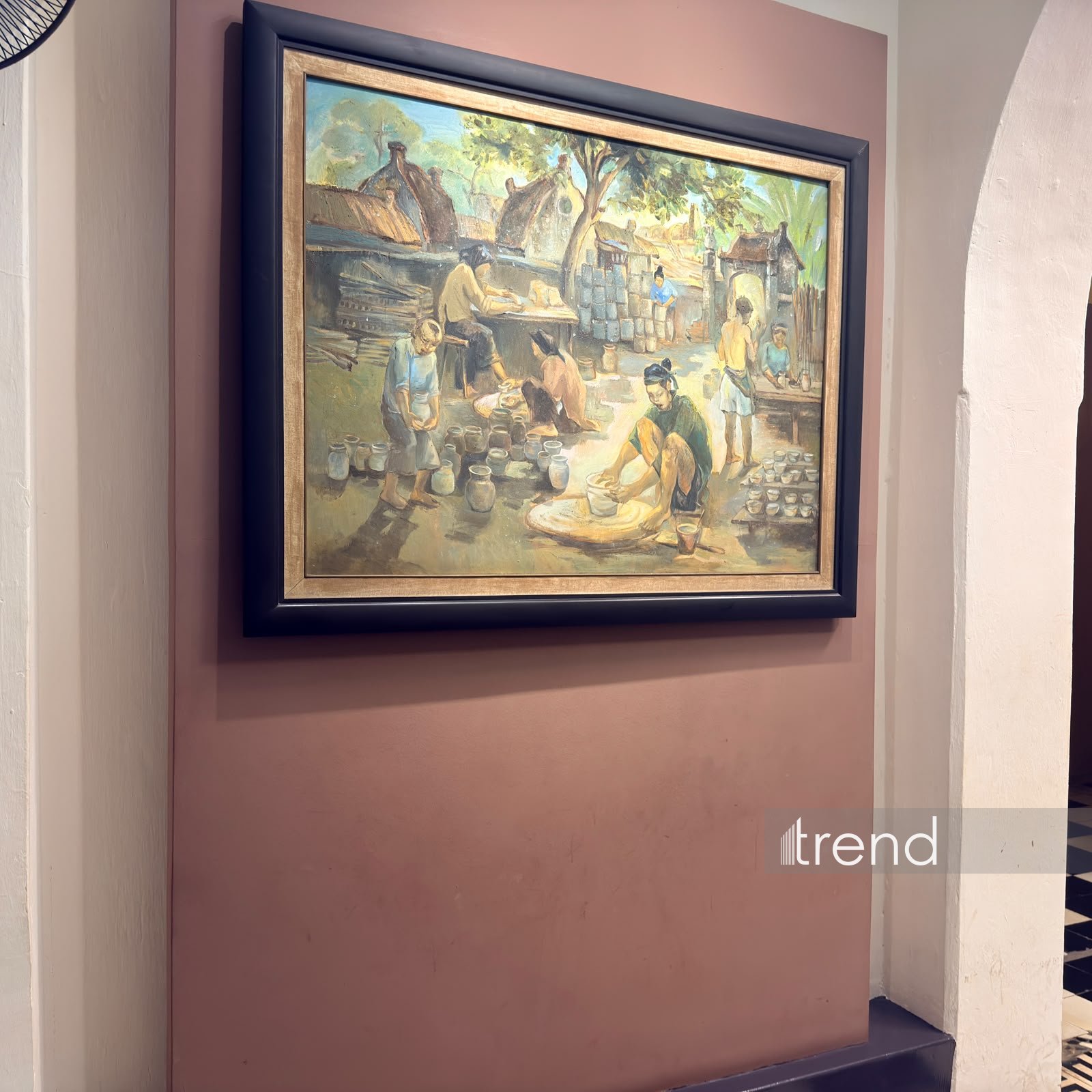
Hoa Lo Prison was built by the French colonial authorities in 1896 on the site of the former Phu Khanh pottery village. It became one of the largest prisons established by the French in Indochina and was intended to hold Vietnamese patriots and members of the national liberation movement.
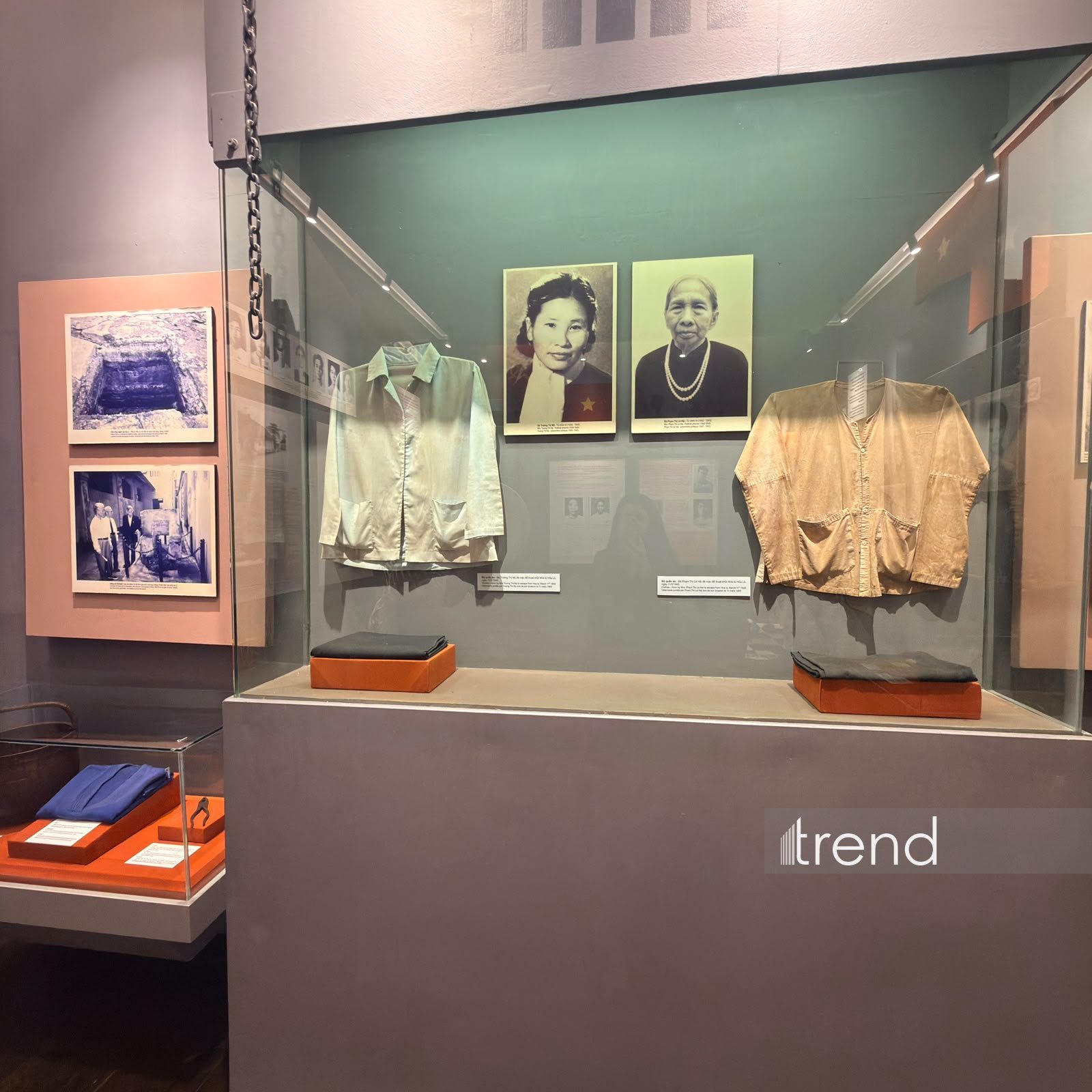
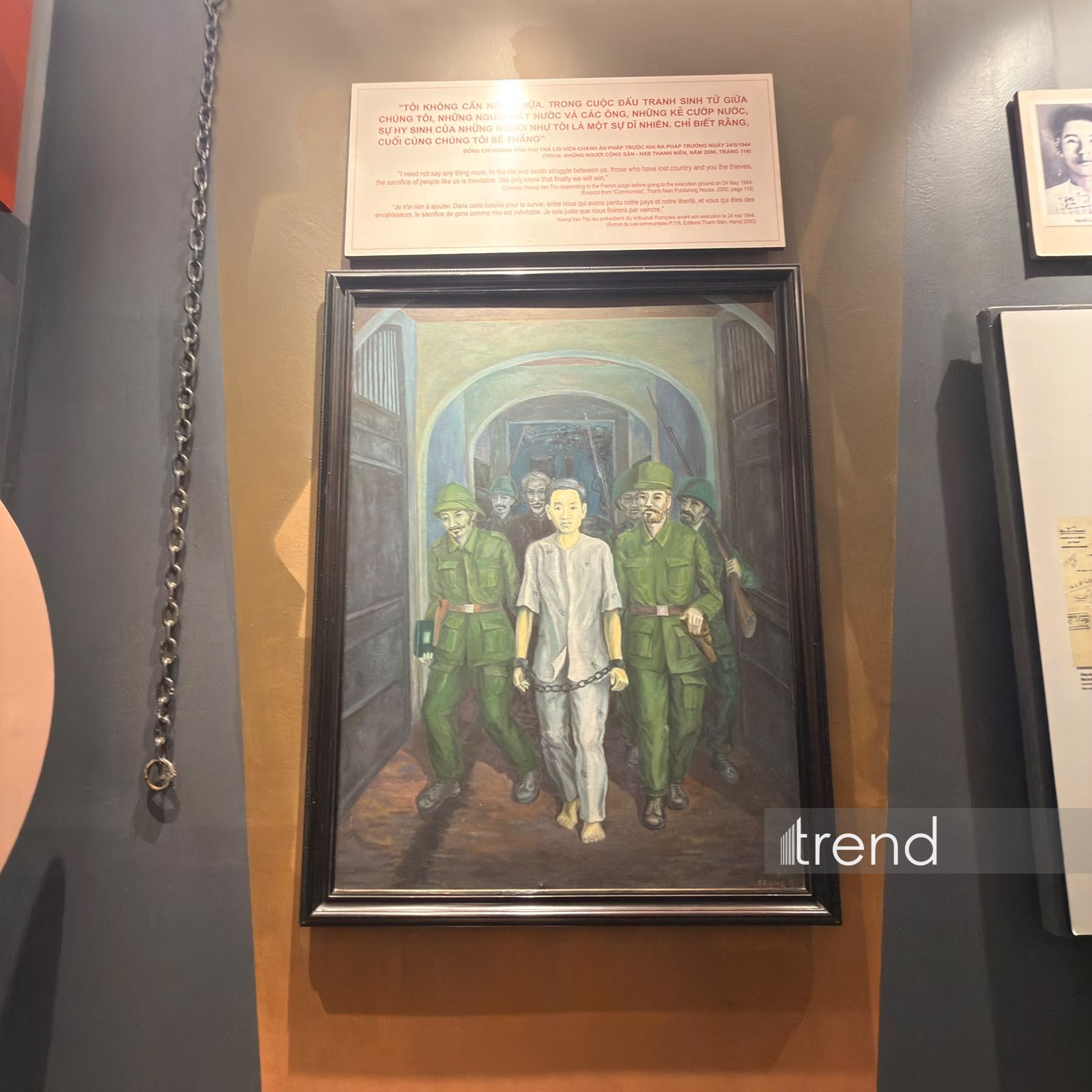
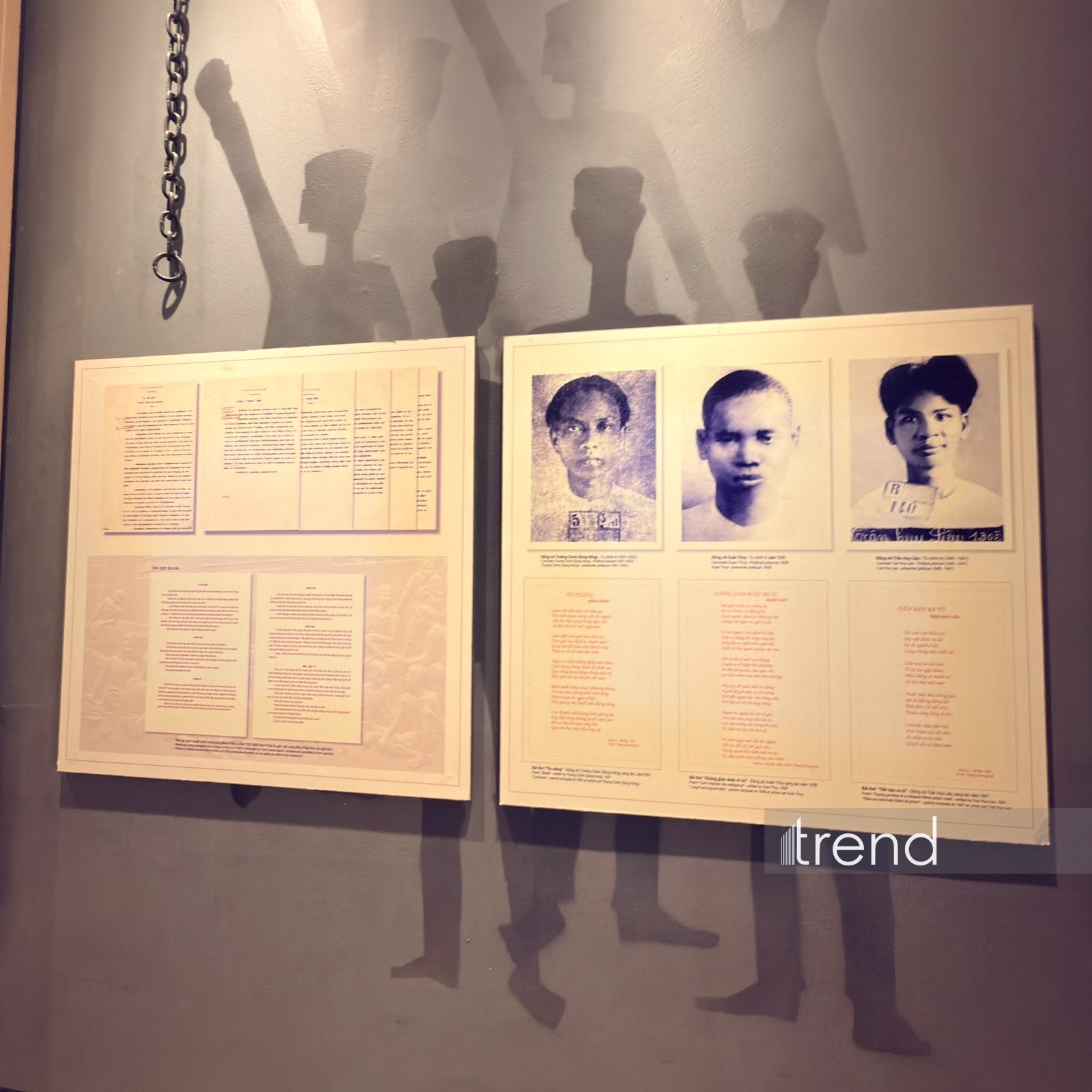
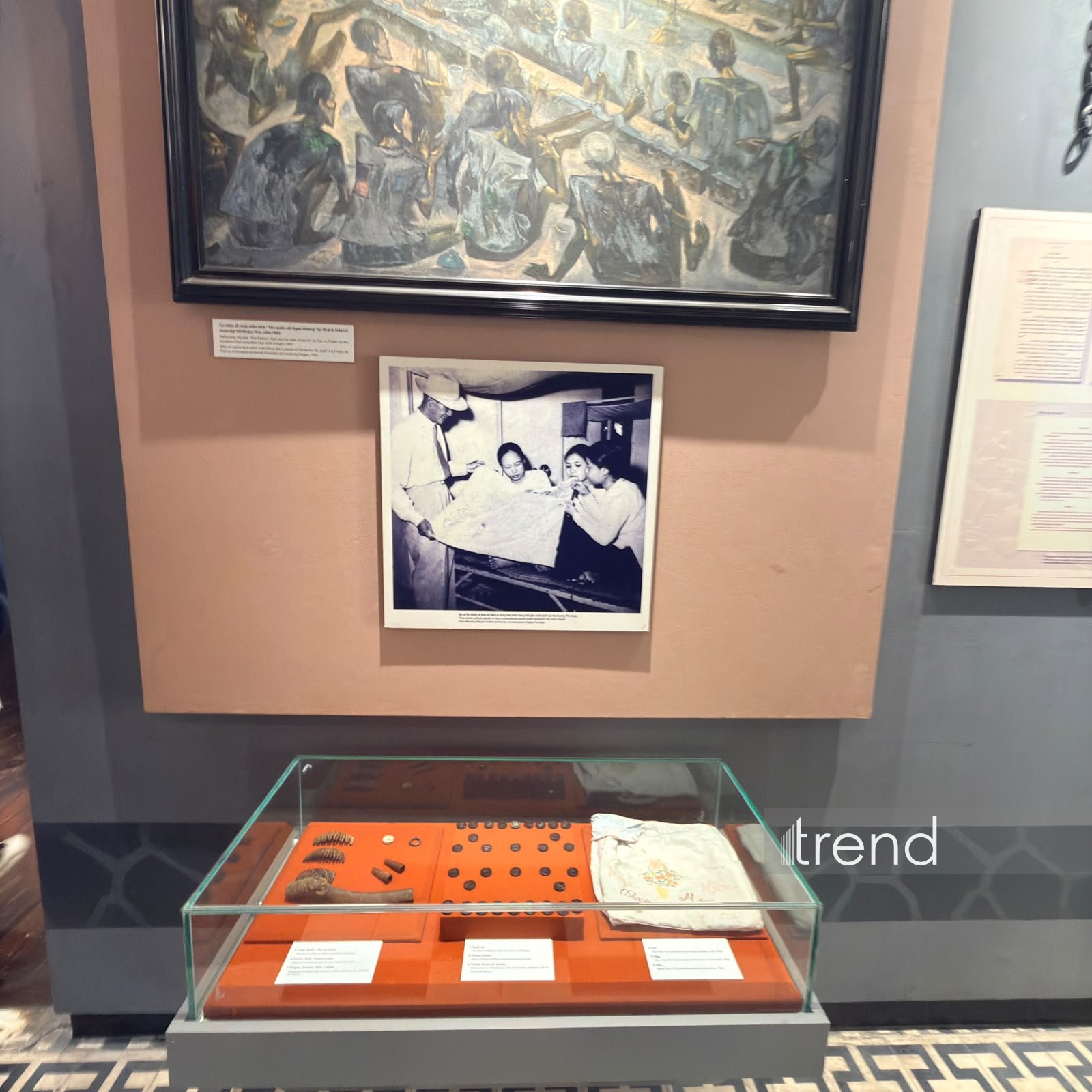
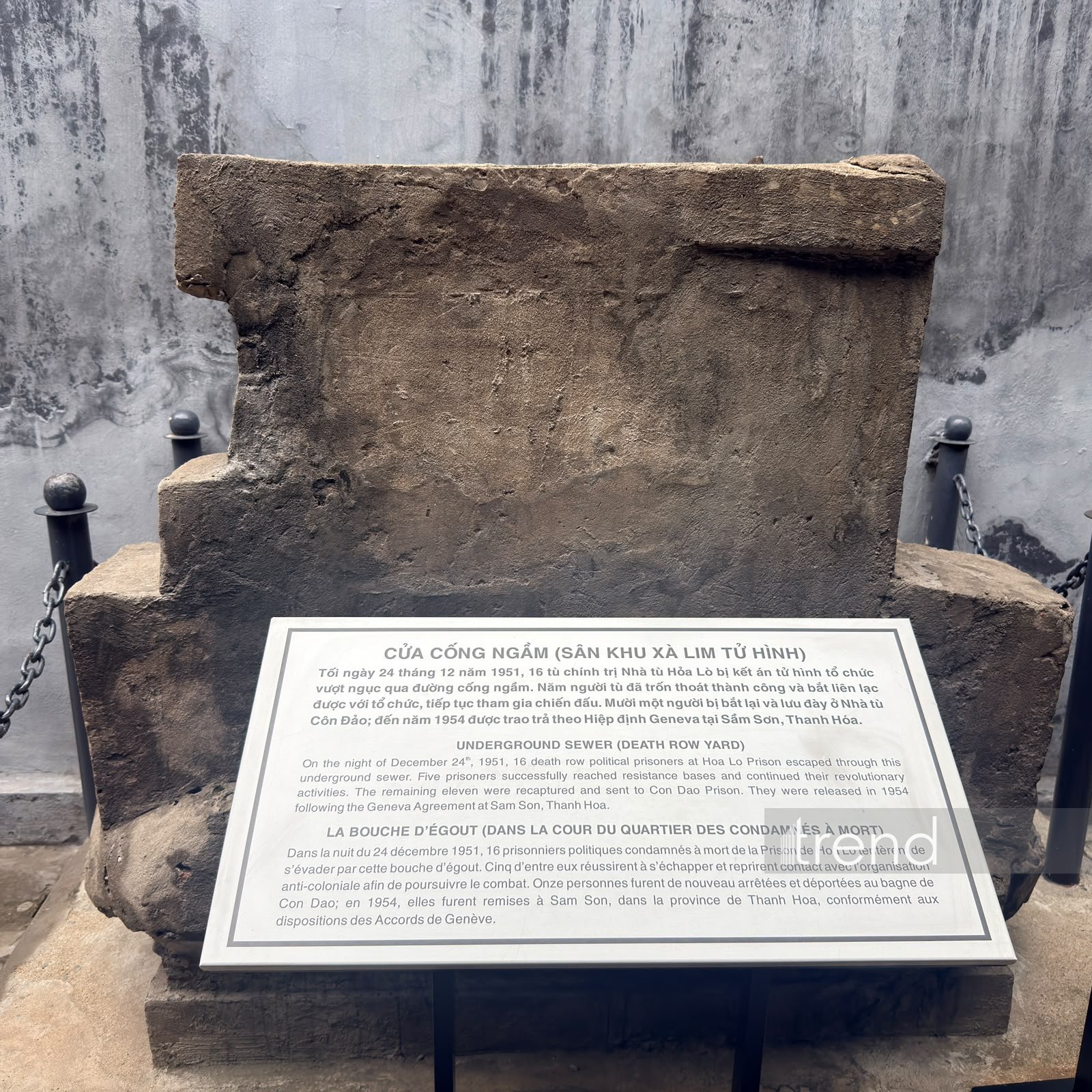
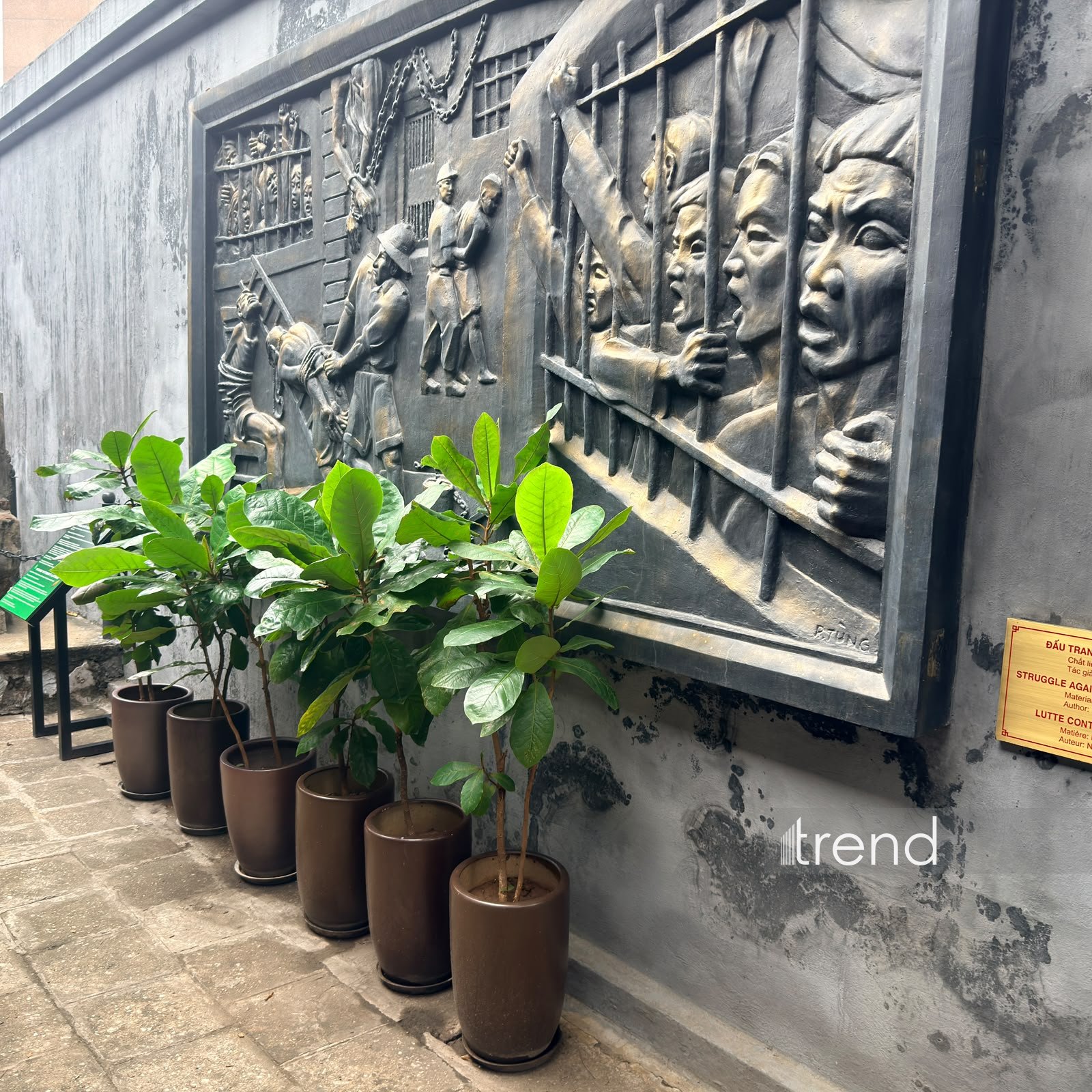
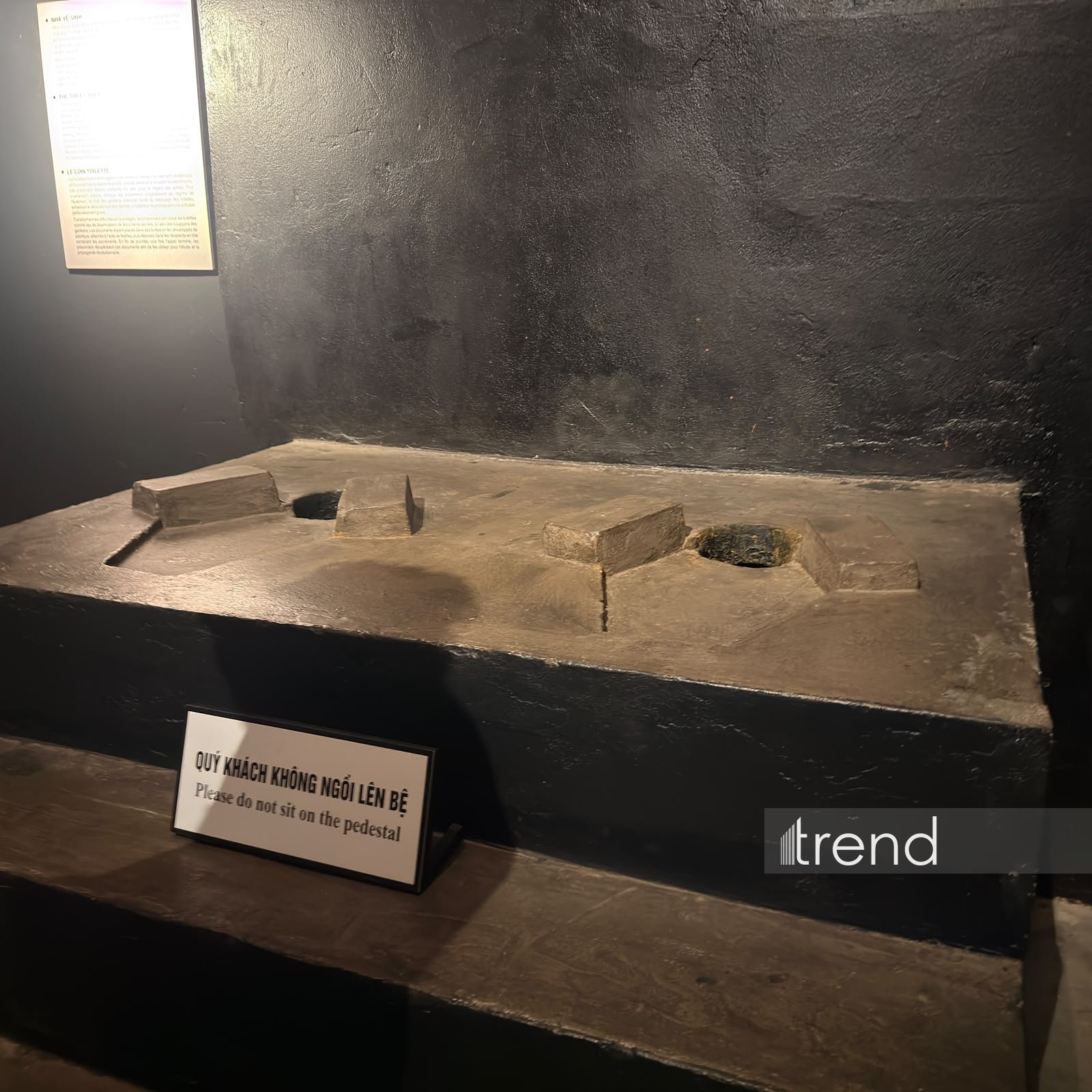
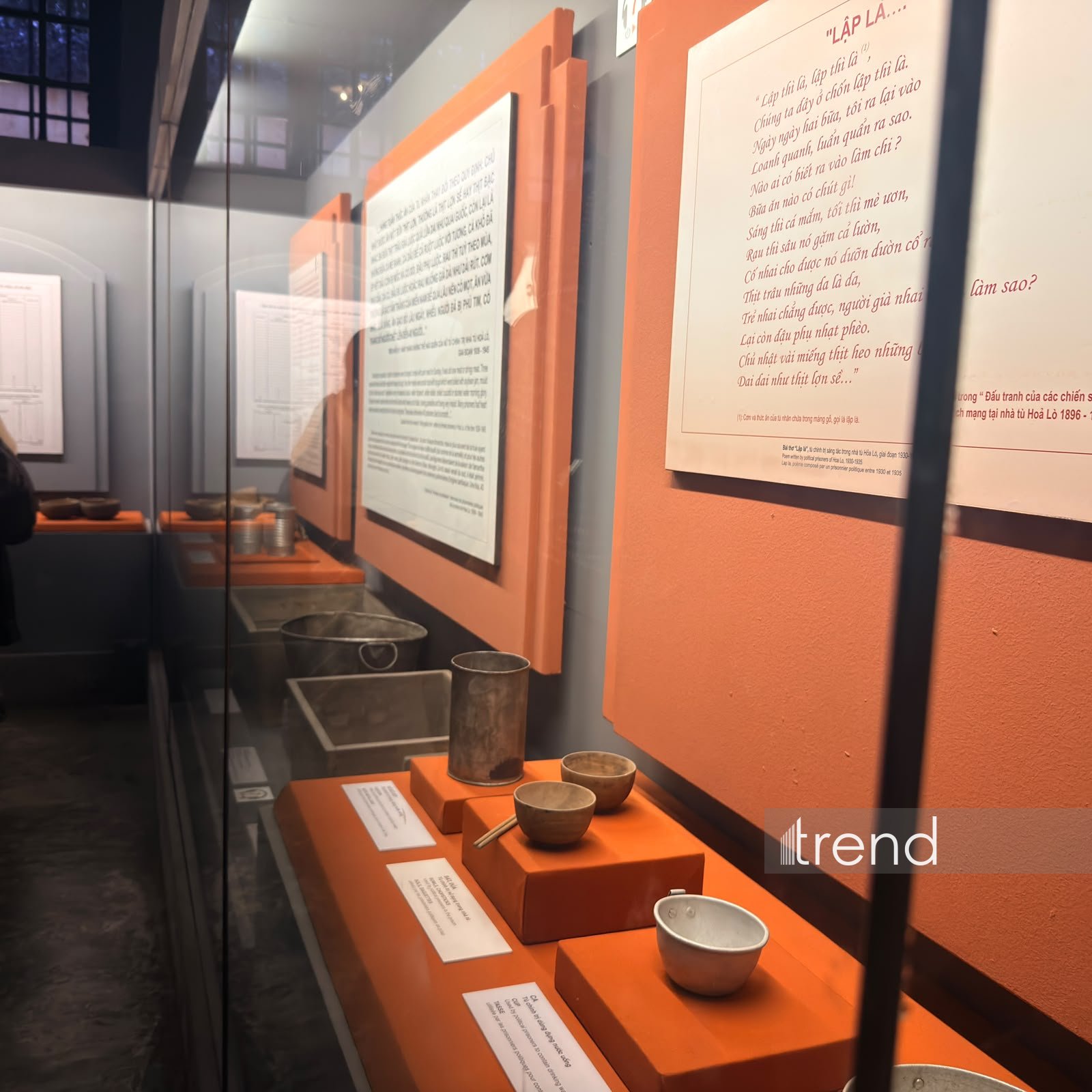
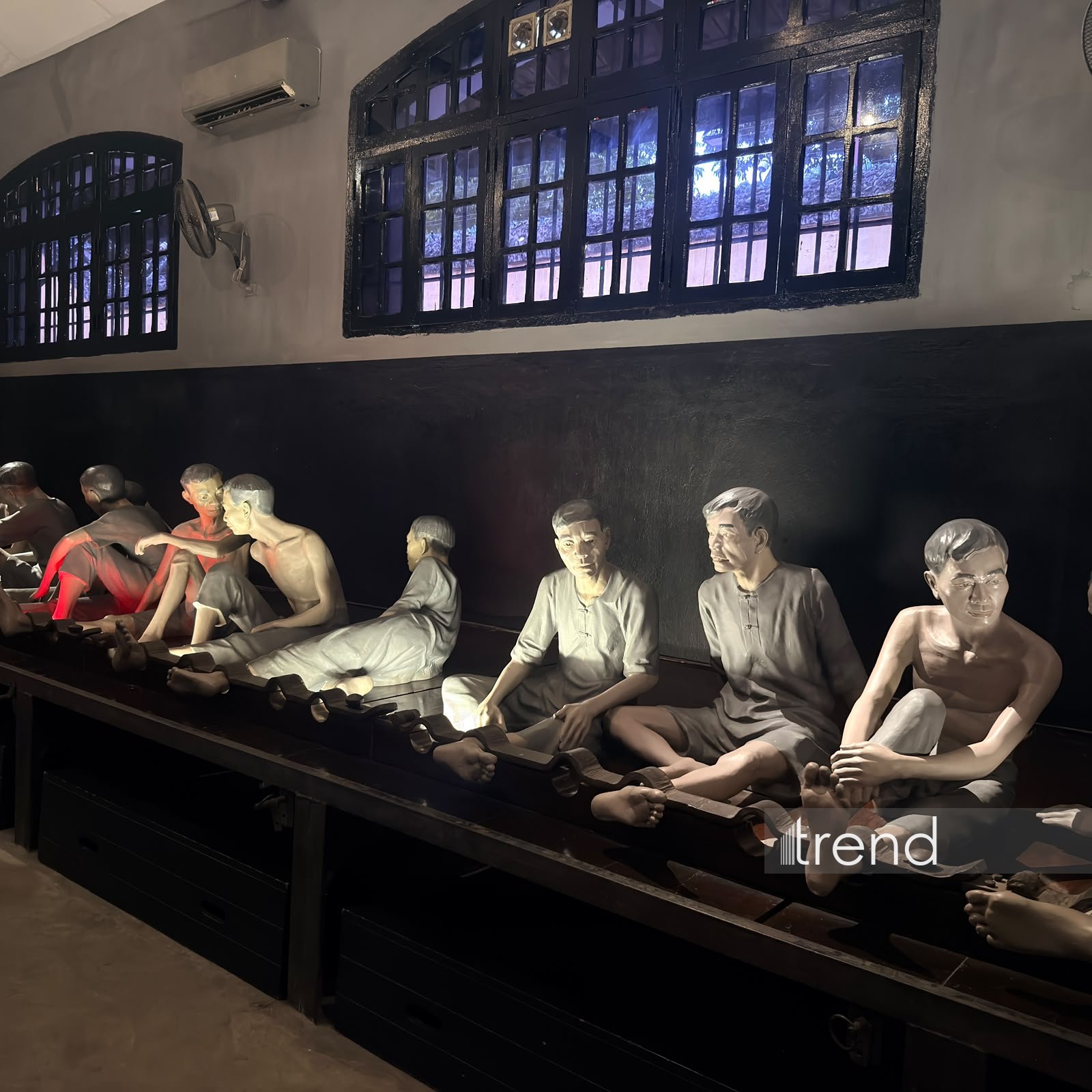
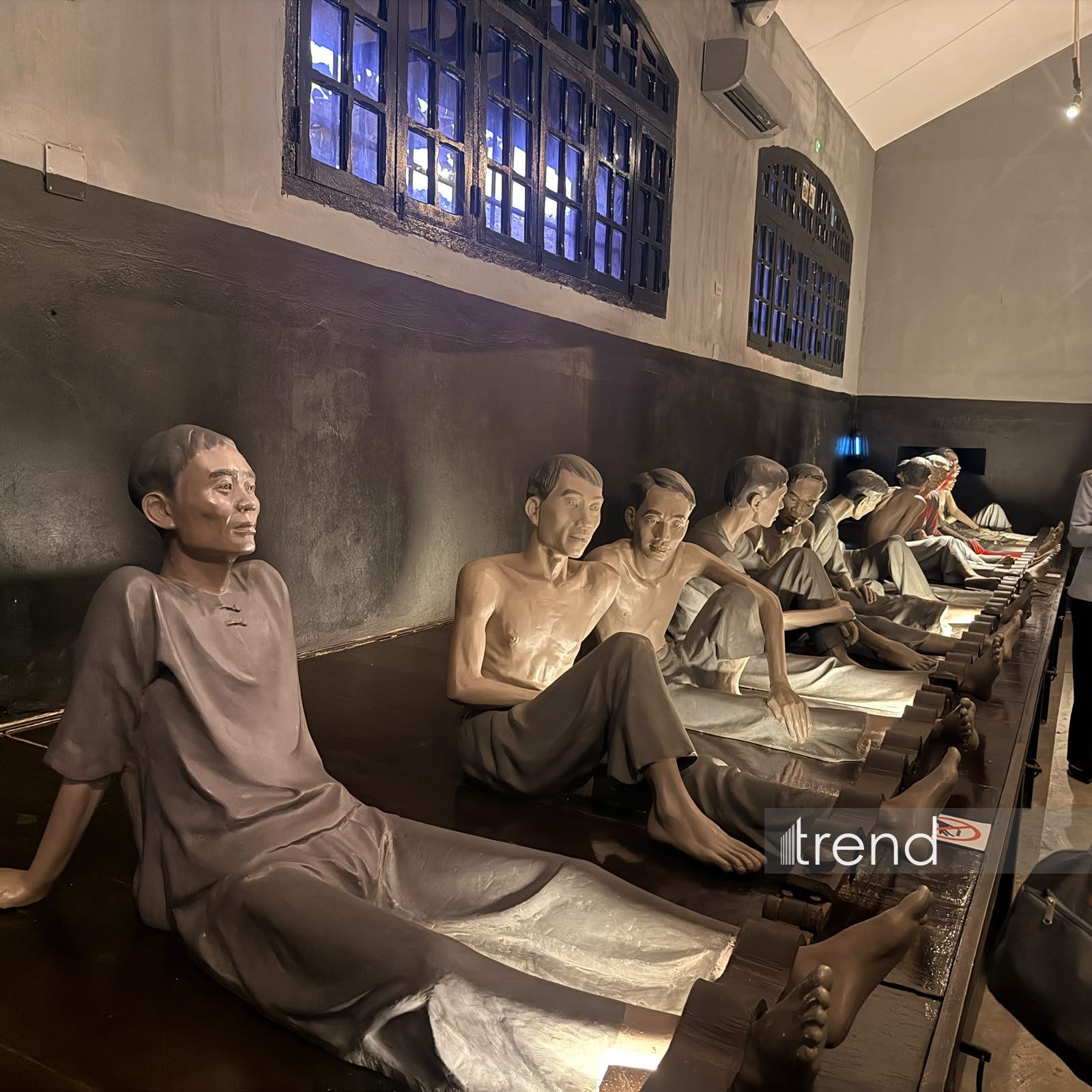
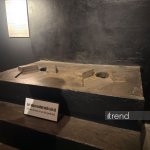
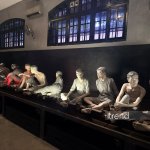
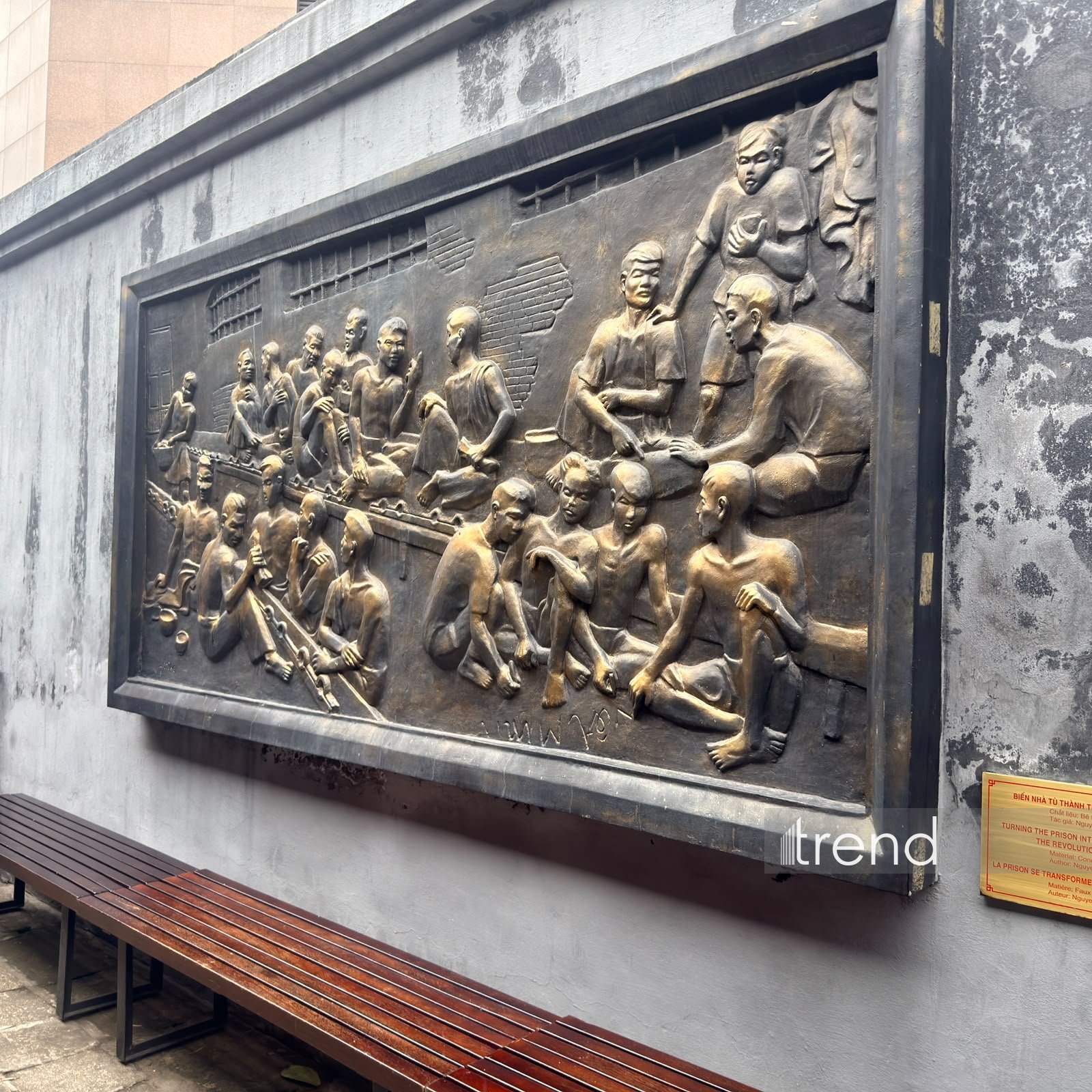
Thousands of prisoners passed through its gates. They were subjected to physical and psychological torture and held in harsh conditions, suffering from food shortages, poor sanitation and disease. Yet even behind bars, Vietnamese revolutionaries continued their political activities, turning the prison into a kind of school for the revolutionary movement. Among the inmates were prominent figures in Vietnam's struggle for independence, including future leaders of the country.

Following the liberation of North Vietnam in 1954, the prison continued to be used as a detention facility. During the Vietnam War, from 1964 to 1973, part of the complex held US military pilots shot down over North Vietnamese territory. They gave the prison the ironic nickname "Hanoi Hilton." Among those held there were future US Senator John McCain and Douglas Peterson, who later became the first US ambassador to Vietnam.
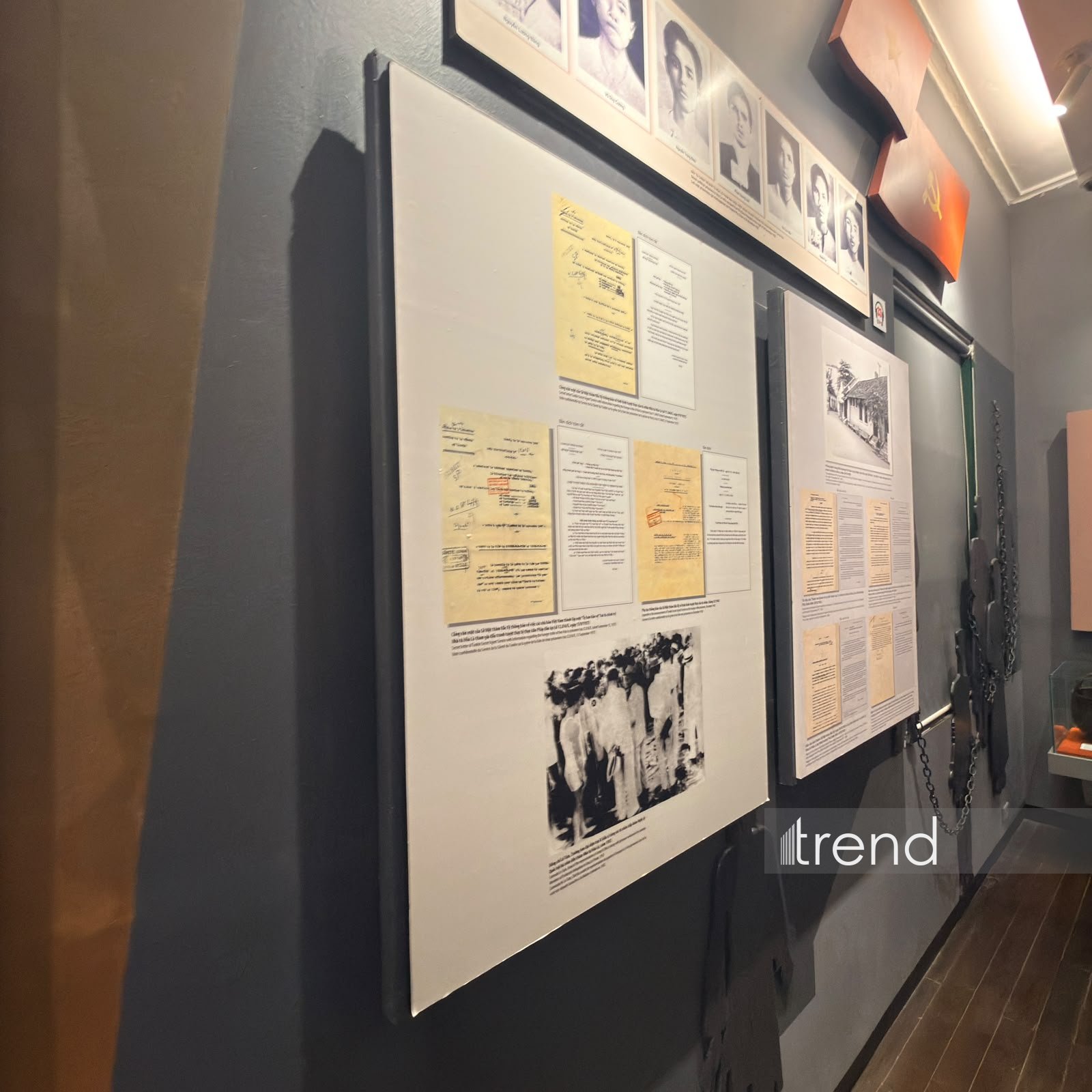
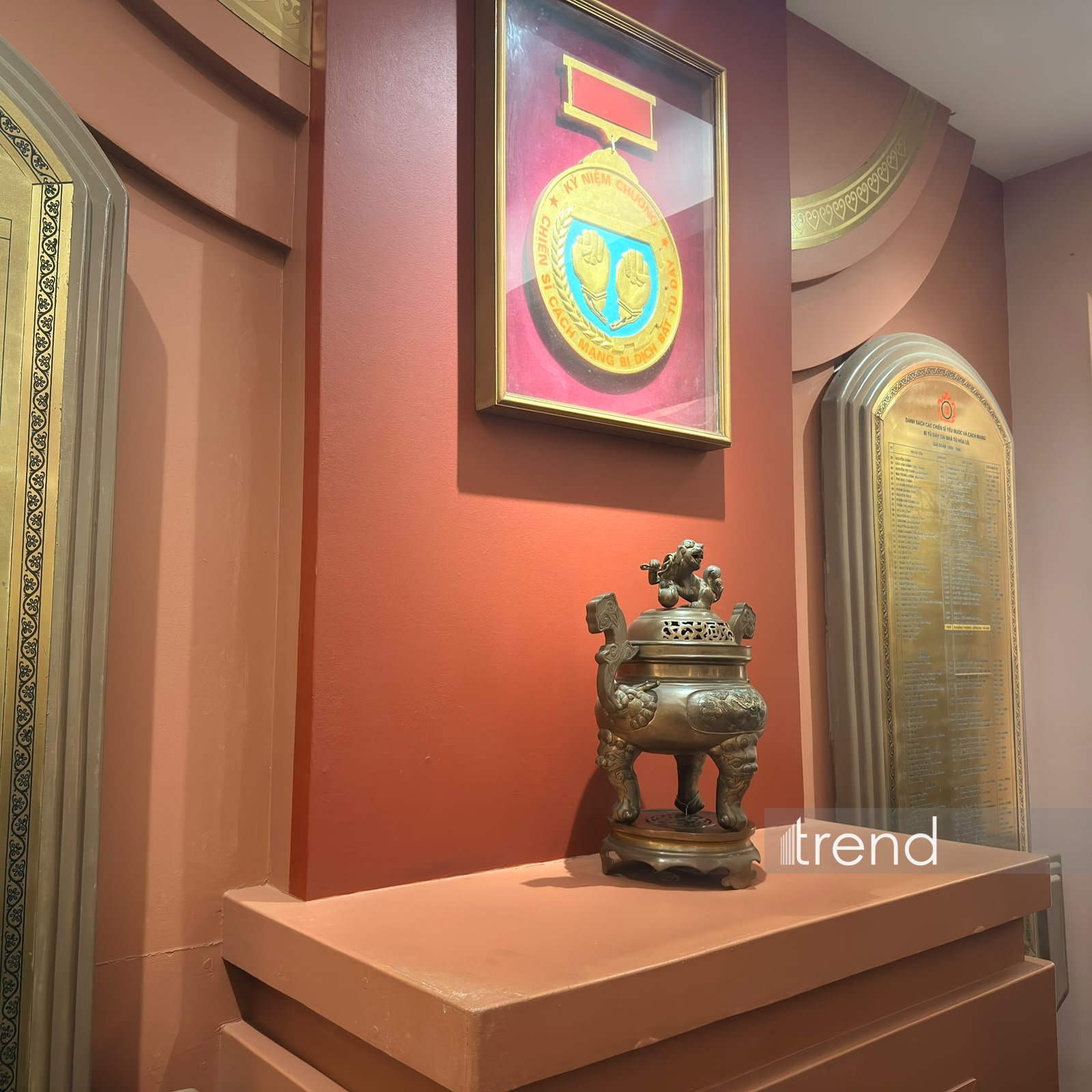
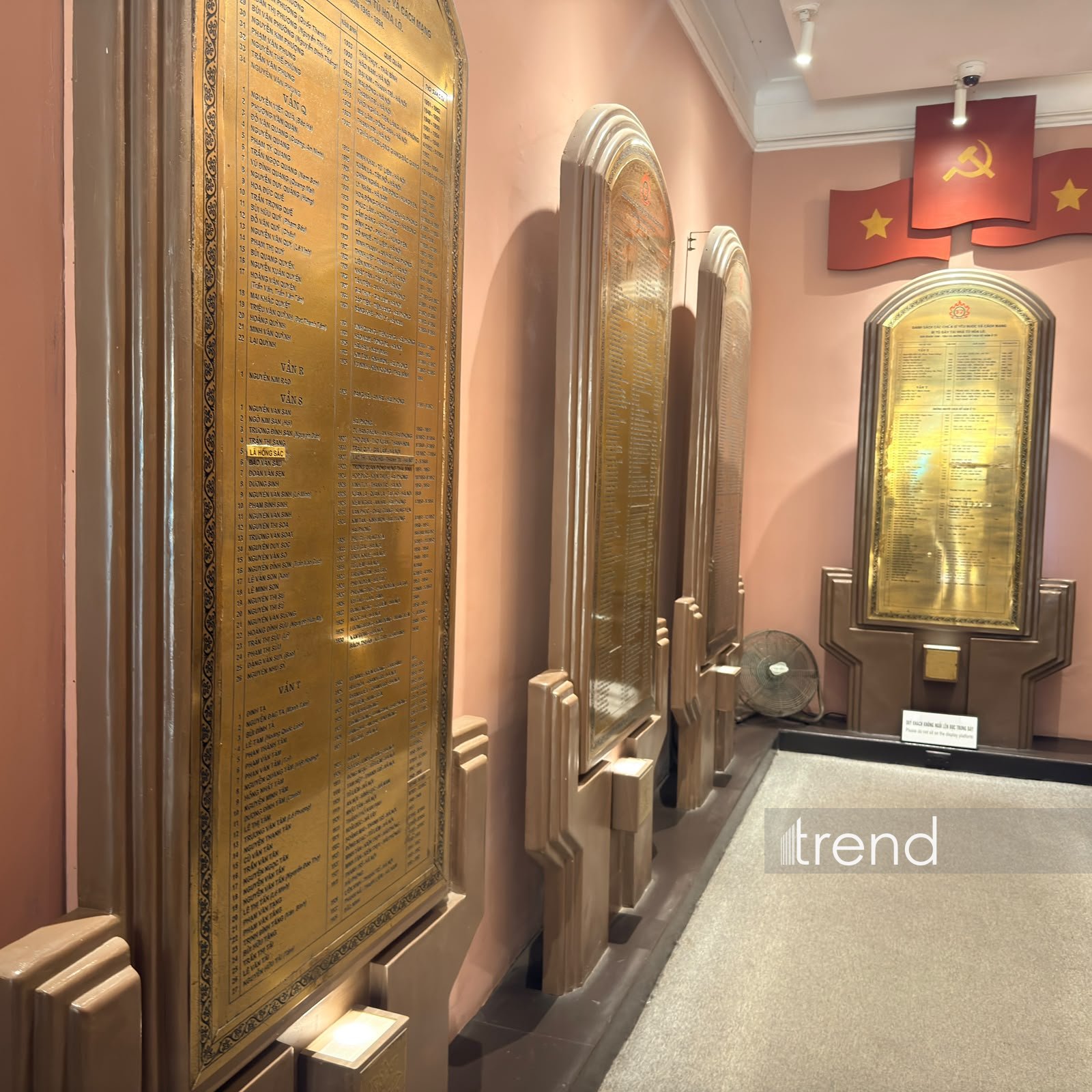
In 1993, amid Hanoi's rapid development, part of the former prison complex was preserved and converted into a history museum. Today, Hoa Lo serves as a memorial to Vietnamese patriots and independence fighters, as well as an important educational center introducing younger generations to the country's history.
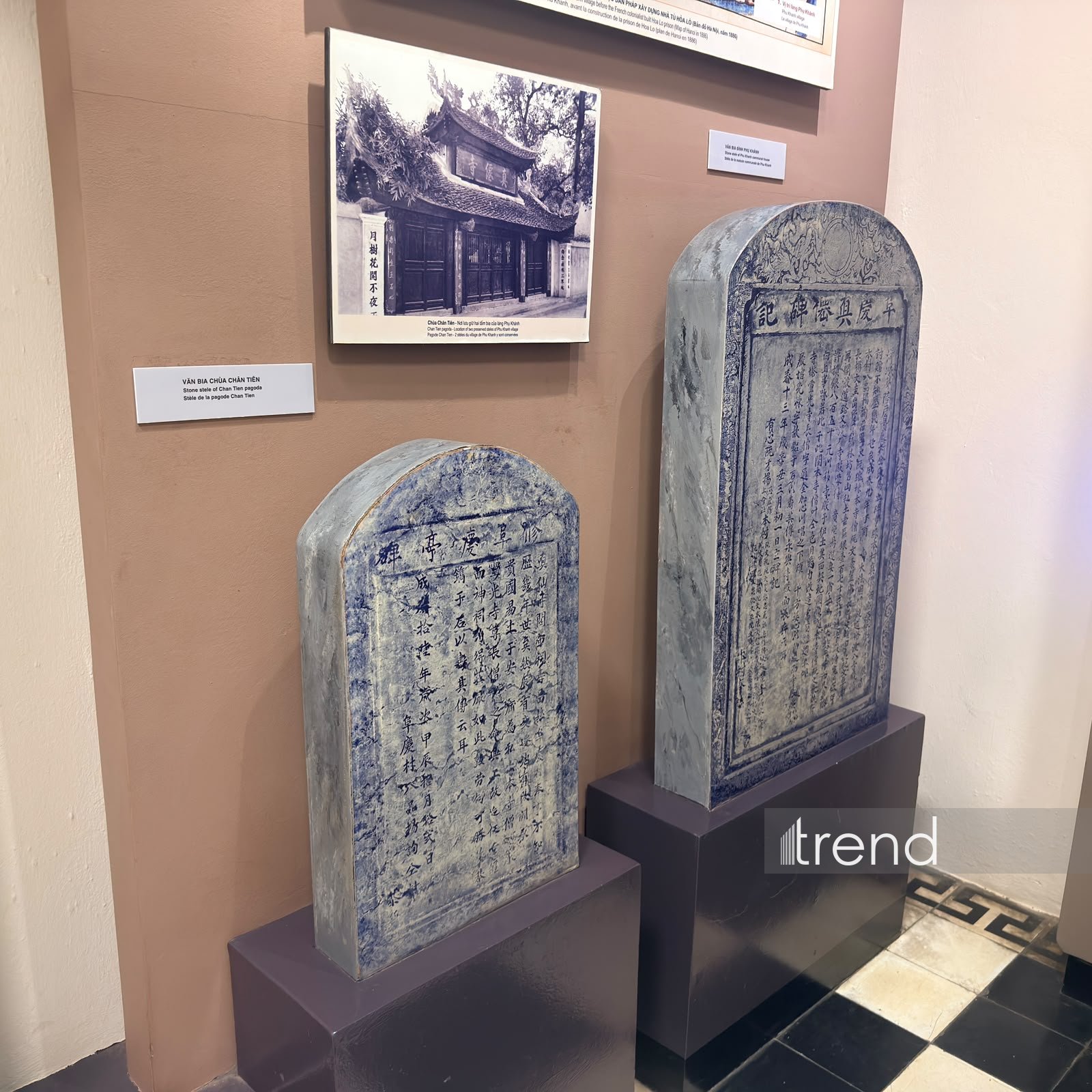
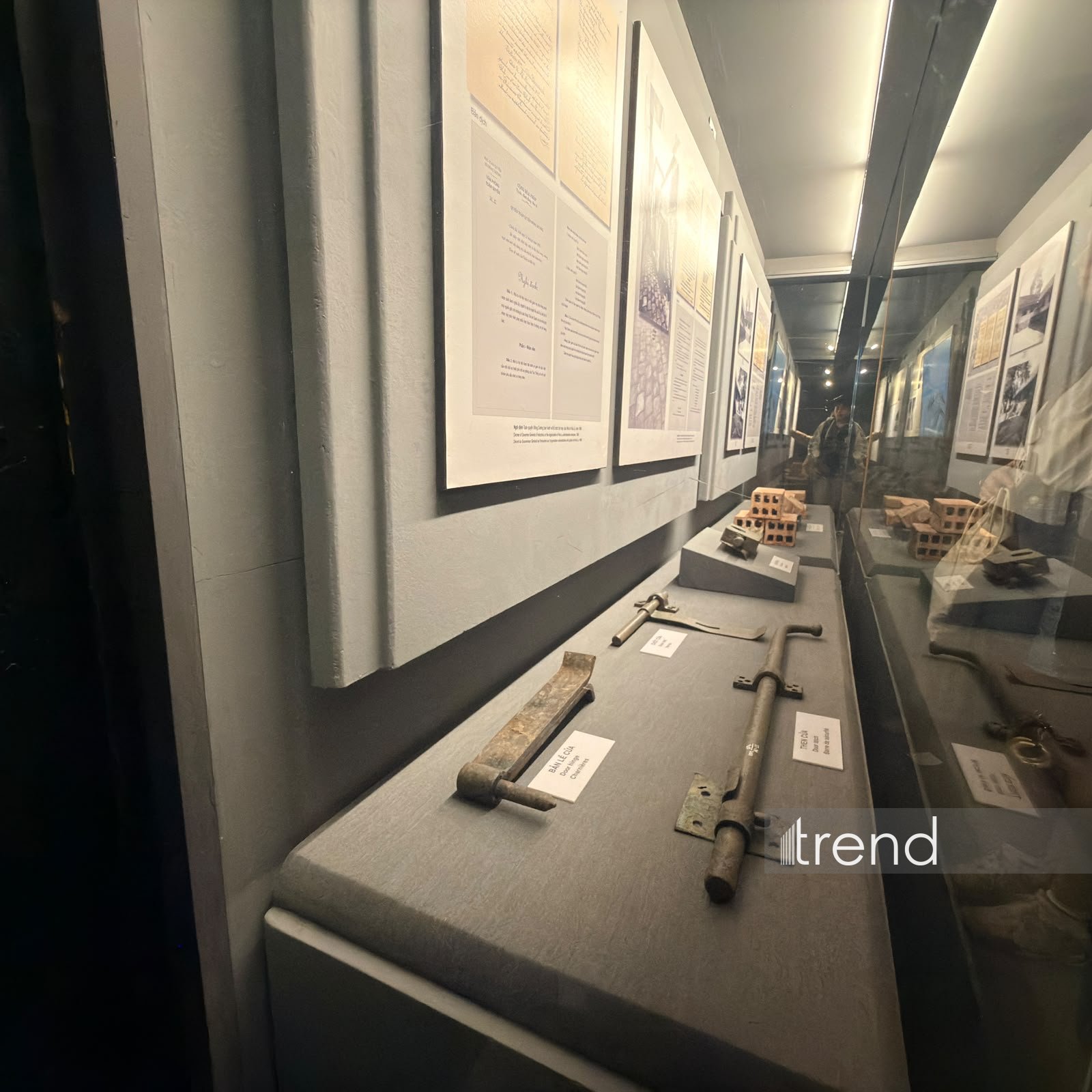
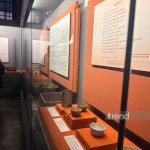
Visitors can now explore the preserved prison cells, historical exhibits and memorial areas, offering a glimpse into one of the most dramatic chapters in Vietnam's past.
Hoa Lo is more than just a historical landmark in central Hanoi. It stands as a symbol of the Vietnamese people's resilience and their determination to achieve freedom and independence.