


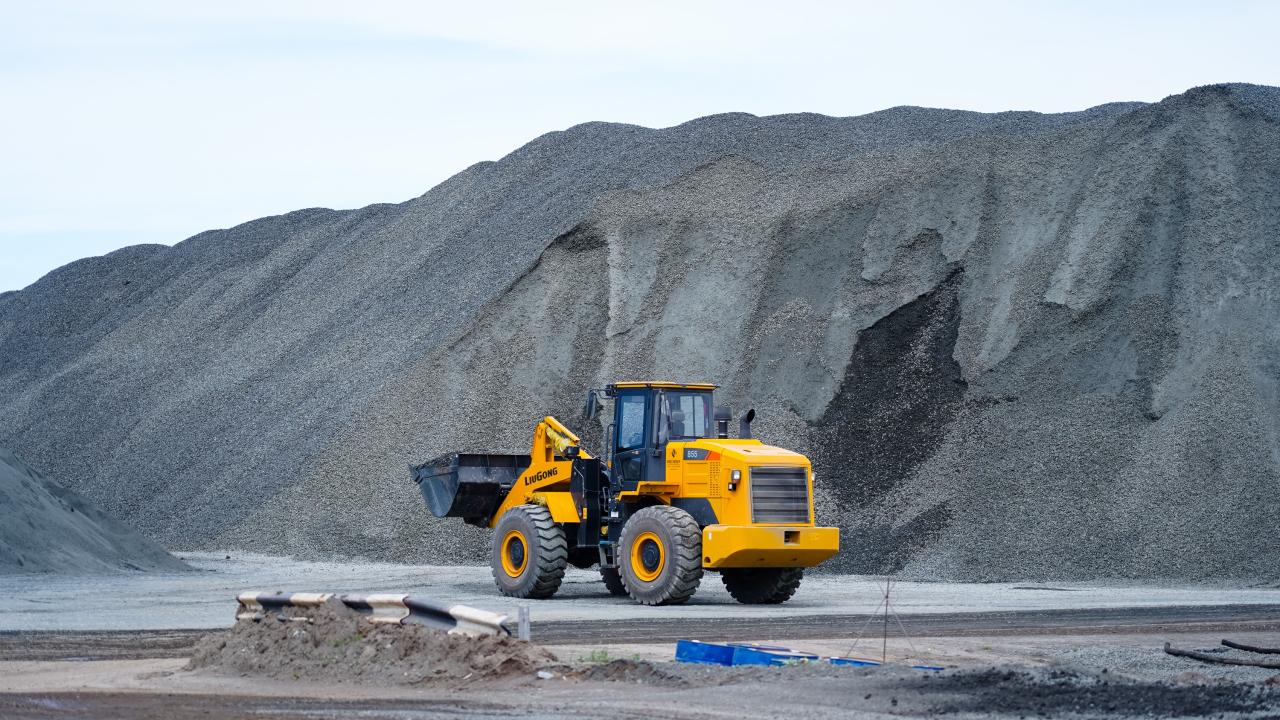

ASTANA, Kazakhstan, July 10. The Ministry of Transport of Kazakhstan has approved an Action Plan to increase the use of technogenic mineral formations (TMFs) in road construction projects, Trend reports, citing the Ministry of Transport of the Republic of Kazakhstan.
According to the information, the plan provides for a set of measures aimed at processing and utilizing TMFs—such as ash, slag, and overburden—in road construction throughout Kazakhstan.
Experts emphasize that incorporating recycled industrial materials will not only reduce infrastructure project costs but also significantly ease the environmental burden.
“Processed waste can be effectively used in the construction and repair of roads. In terms of quality, these materials are comparable to traditional ones. It benefits everyone: the state saves money, companies solve their waste issues, and the environment becomes cleaner,” said Yerik Amirbayev, Vice President of Kazakh Road Research Institute.
Researchers emphasize that for the effective operationalization
of the strategy, pertinent legislative frameworks must be
established to govern the utilization of reclaimed resources.
Furthermore, a comprehensive framework of fiscal stimuli and
ancillary support mechanisms ought to be instituted for enterprises
engaged in the waste reclamation sector.
At present, empirical investigations into the properties and
applications of industrial feedstocks have commenced across
multiple geographical locales. For instance, in the Pavlodar and
Karaganda regions, a thorough evaluation of industrial byproducts
is currently in progress to ascertain their viability for
application within the road infrastructure development domain. In
accordance with the empirical data derived from the research
outcomes, a comprehensive inventory of suggested materials will be
synthesized and integrated into the Centralized Repository of
Infrastructure Construction Materials.
The utilization of repurposed industrial substrates in the
construction sector has emerged as a prevalent paradigm on a global
scale. It facilitates the strategic mitigation of multiple critical
challenges: optimizing resource conservation, streamlining
construction expenditures, diminishing ecological footprints, and
advancing the proliferation of the waste recycling sector.



