



BAKU, Azerbaijan, December 2. The concept of “green transformation” has moved beyond being a separate direction and has become one of the main pillars of national development in Azerbaijan’s national energy strategy.
The country’s total electricity generation capacity currently stands at 9,732.5 megawatts (MW), of which 1,829.6 MW, nearly 19%, comes from renewable energy sources. These figures not only reflect the current landscape but also highlight the ambitious goals ahead. Azerbaijan plans to increase the total generation capacity of solar, wind, and hydropower plants to 6,000 MW by 2030, raising the share of renewable energy in installed capacity to 38%. To achieve this, large-scale new projects are planned both onshore and offshore, marking the growth of a new industrial sector alongside strengthened energy security.
Nakhchivan Autonomous Republic holds special strategic importance in meeting these national green energy targets. Its strong solar irradiation, favorable climate, and geographical positioning make it a natural laboratory for renewable energy. Although the region faced limitations in energy supply for many years, these natural advantages are now being transformed into major opportunities for renewable energy development. The use of Nakhchivan’s solar and hydropower potential is strengthening regional energy independence while becoming one of the key pillars supporting Azerbaijan’s 2030 green energy strategy.
Today, the share of renewable energy in Nakhchivan stands at 44% of installed capacity and 48% of total generation, well above the national average. The planned commissioning of a 50-MW solar power plant and the Tivi and Ordubad hydropower plants is expected to increase this share even further. As a result, Nakhchivan is rapidly emerging as Azerbaijan’s “green energy zone.”
This progress is not accidental but the outcome of planned state policy. Within the framework of the “Green Energy Zone” Concept, 12 priority directions have been identified for 2026–2030, demonstrating an institutionalized and structured approach to Nakhchivan’s energy development. The goal is not only to produce energy but to turn this sector into a driver of economic growth.
Institutional Shift in Energy Management
The key legal cornerstone of this transformation was Presidential Decree No. 235, dated November 23, 2024. The decree reassigned the production and transmission responsibilities of the Nakhchivan State Energy Service to Azerenergy Open Joint-Stock Company (OJSC), bringing the autonomous republic’s energy infrastructure into full alignment with the national grid.
As part of this restructuring, Azerenergy created a new subsidiary, Nakhchivan Energy LLC, which has already provided jobs for more than 400 local specialists, significantly boosting the region’s human capital and strengthening its rapidly evolving energy sector.
Infrastructure: Transition from Old to New
Nakhchivan’s energy system previously faced challenges largely due to the aging transmission network. Today, the landscape has changed significantly. Reconstruction works at the 110-kV Nakhchivan, Babak, and Cheshmebasar substations, as well as the construction of the country’s first indoor-type substation, are greatly enhancing energy security and operational flexibility. The “Yeni Julfa” substation is now in the final stages before commissioning. This modernization is being carried out in parallel with digitalization efforts. The construction of a Regional SCADA (Supervisory control and data acquisition) Center will allow real-time, centralized energy management in Nakhchivan, marking a shift from a traditional energy model to a smart energy system.
Toward a Regional Energy Hub
Nakhchivan’s “green energy” strategy goes far beyond domestic supply. The region’s pathway to European energy markets through Türkiye has evolved into a technically grounded, realistic project. Plans for the construction of the “Jabrayil–Nakhchivan” (330-kV) and “Nakhchivan–Türkiye” (400-kV) lines, along with a converter substation, carry major strategic significance.
This infrastructure could lay the foundation for a new phase in the transnational transportation of “green energy” across the region. In other words, Nakhchivan is gradually shifting from being an energy consumer to becoming an energy exporter.
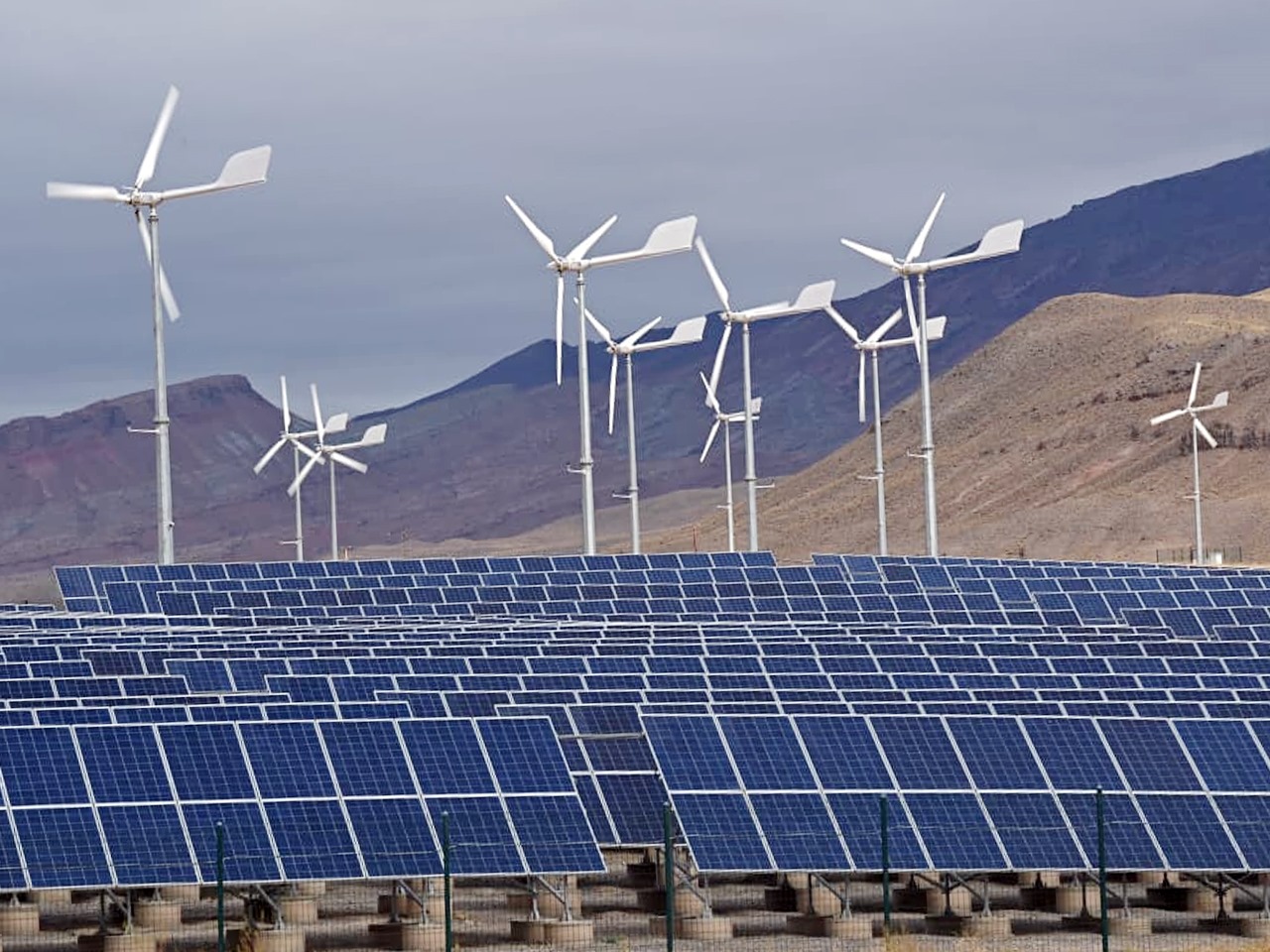
Currently, the region operates five hydropower plants, three solar plants, one wind plant, and one hybrid power plant, collectively generating nearly half of local electricity from renewable sources.
The green energy projects underway in Nakhchivan represent not isolated tactical steps but components of a long-term state vision. The objective is not only to increase energy production but to strengthen energy security on a sustainable basis, elevate economic development, and redefine the region’s strategic role.
Stay up-to-date with more news on Trend News Agency's WhatsApp channel



