
PARIS, France, June 30. Visa has presented AI, tokenization and stablecoin solutions for future of commerce.
The company unveiled a suite of solutions in artificial intelligence, stablecoins and tokenization designed to help clients across the Central and Eastern Europe, Middle East and Africa (CEMEA) region, which includes Azerbaijan, unlock the next generation of commerce opportunities.
Ahead of the Visa Payments Forum taking place on July 1 in Paris, the company outlined how two key trends — artificial intelligence and stablecoins — are reshaping both customer experience and the technological foundations of commerce and money movement, as well as how Visa is helping clients adapt, scale and launch new solutions while maintaining consumer trust.
“Commerce is entering a new phase of development, becoming increasingly intelligent, programmable and embedded in everyday life,” said Tareq Muhmood, Visa Regional President for Central and Eastern Europe, the Middle East and Africa. “For businesses operating in the digital economy, immense opportunities are opening up, but at the same time the importance of trust and interoperability is growing. Visa is building the infrastructure and intelligent technologies that will allow our clients to innovate confidently, both at the user interface and infrastructure levels, improving the payment experience for consumers and the businesses they serve.”
Transforming commerce experiences through artificial intelligence
Visa said artificial intelligence is transforming how transactions are initiated, authorised and confirmed, while also accelerating the development and deployment of new commerce use cases. As agentic commerce evolves, the Visa Intelligent Commerce platform provides the necessary layer of trust and control, enabling AI agents to safely discover products and initiate and complete transactions on behalf of consumers and businesses.
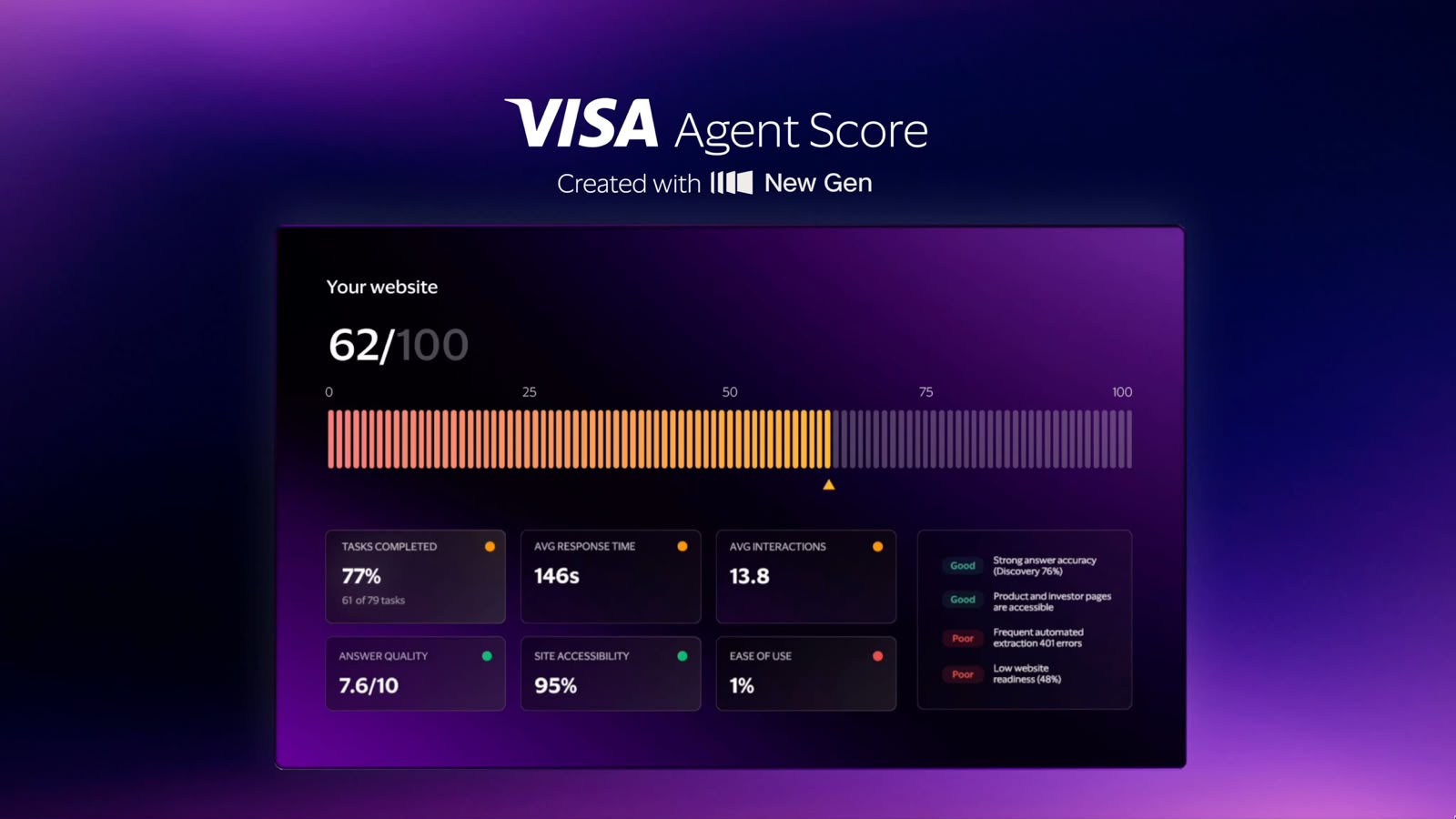
To support the shift toward this new model, Visa is working with industry participants to ensure agent-initiated transactions are reliable and transparent. A new tool, Agent Score, developed in collaboration with New Generation, allows merchants to assess their readiness for agentic commerce — in particular, whether AI agents can correctly navigate their websites, understand content and perform required actions.
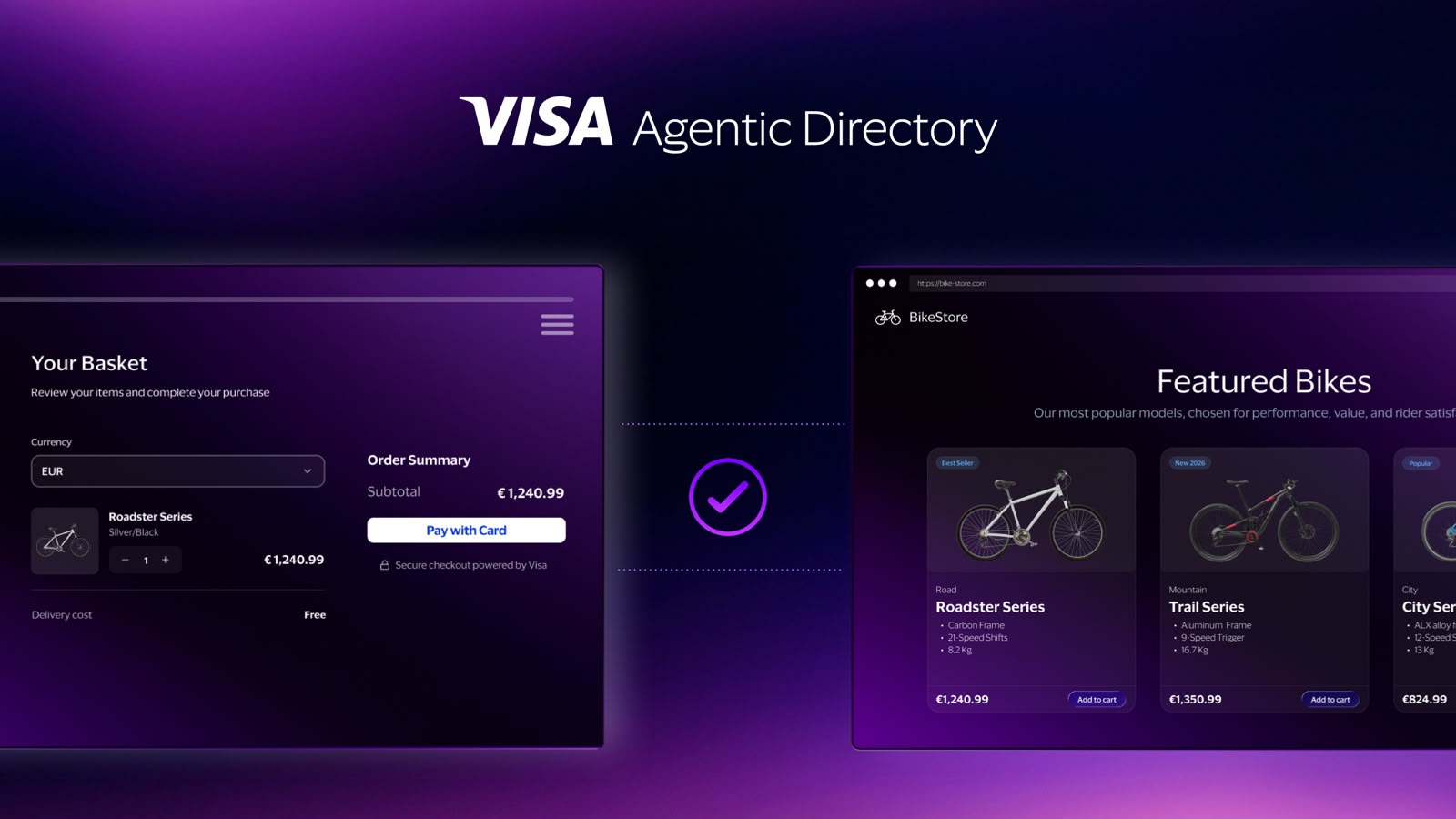
In addition, Visa is launching the Agentic Directory, a catalogue of verified agents and merchants that have been vetted and confirmed as legitimate participants in agentic commerce. The initiative aims to ensure that merchants can determine which agents can be trusted on their platforms, while agents can also verify legitimate counterparties.
Advancing tokenization in AI-driven commerce
Tokenization has become one of the key drivers of e-commerce growth in the CEMEA region, making digital and mobile payments more secure and convenient. The share of tokenized transactions processed by Visa in CEMEA rose from 26% in 2023 to 70% in 2026.
Today, tokens already carry a securely protected set of data specifically designed for digital payments. As new commerce channels and agent-based use cases emerge, Visa is expanding the data embedded in tokens, including transaction type, token usage context and payer information. Another major innovation is the introduction of a token trust signal. Throughout the token lifecycle — from issuance to usage history — its reliability is assessed, generating a trust signal for each transaction.
Together, these developments aim to strengthen the role of tokens as the foundation of secure digital and agentic commerce, providing richer context and greater confidence in transaction legitimacy in an increasingly automated and intelligent payments ecosystem.
Modernising money movement infrastructure with stablecoins
Visa also highlighted progress in modernising settlement and money movement through stablecoins and blockchain infrastructure. With Tokenized Deposits, the company is building a technology layer that turns traditional bank deposits into programmable digital money available 24/7. This capability enables banks to achieve stablecoin-like speed and flexibility while keeping funds on their own balance sheets.
Visa is also expanding stablecoin settlement pilots across regions, blockchain networks and currencies. Building on early pilots launched in early 2025, the company has already processed billions of dollars in stablecoin transactions through VisaNet, reaching an annualised volume of approximately $7 billion as of March 2026.
Issuing banks are already settling with Visa on-chain seven days a week, and the company is now working to extend daily settlement capabilities to acquiring banks as well, enabling more flexible and frequent settlements across the payments ecosystem. Since the launch of stablecoin settlements in CEMEA a year ago, volumes have increased nearly 60-fold.
To enable consumers and businesses to use stablecoin balances wherever Visa is accepted, the company continues to expand stablecoin-linked card programs. More than 160 such programs are currently live or in development worldwide, with further expansion expected.
Turning data into intelligent insights through AI
To help clients meet rising consumer expectations, Visa is combining modern payments infrastructure with data-driven tools that improve decision-making across the payments journey. The company introduced Visa Trip Intelligence, an AI-powered travel insights capability that allows banks to anticipate customer needs before transactions occur.
Launched today in CEMEA, the service combines VisaNet analytics with third-party data to identify travel intent and generate personalised journey insights and engagement recommendations. This enables banks to proactively support customers before travel, reduce payment friction, and offer tailored travel benefits, services and rewards.