


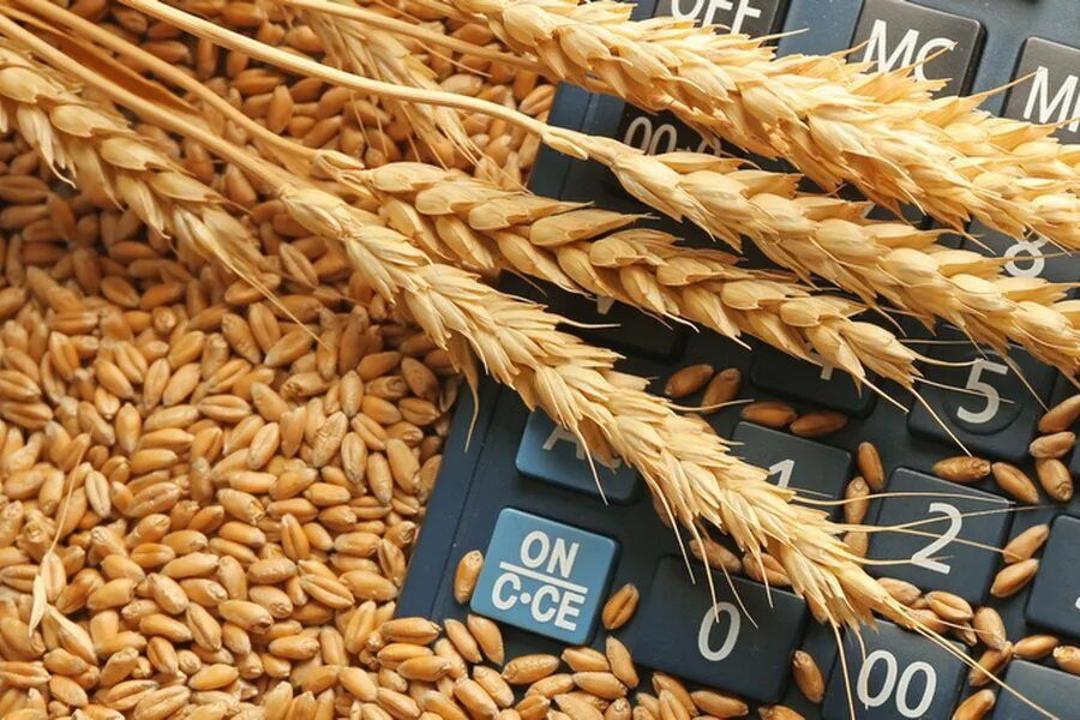

ASTANA, Kazakhstan, July 4. Kazakhstan’s national grain operator, NC "Food Contract Corporation" allocated 17.3 billion tenge (approx. $32.87 million) to finance agricultural producers under grain purchase agreements, Trend reports citing the Ministry of Agriculture of Kazakhstan.
According to the information, in autumn farmers are expected to
deliver 335,000 tons of grain and oilseed crops to the resources of
Food Contract Corporation.
As of July 3, 2025, agricultural producers have signed contracts
for the supply of 241.500 tons of hard and soft wheat, and 54.200
tons of barley. Compared to last year, the purchase of oilseed
seeds has doubled - up to 38.900 tons, including 18,000 tons of
sunflower, 18.800 tons of flax, and 2.100 tons of rapeseed.
Under the current campaign, forward purchases cover agricultural producers from the main grain-producing regions of the country. Financing under forward contracts was received by 194 farms. In terms of regions, the traditional leaders are North Kazakhstan, Kostanay, and Akmola regions, which account for 7.4 billion tenge (about $14.06 million), 4.8 billion tenge (about $9.12 million), and 4 billion tenge (about $7.6 million) respectively.
According to Asylkhan Dzhuvashev, Chairman of the Board of Food Contract Corporation, this approach helps stimulate the development of a more sustainable model of agricultural production.
“For farmers, it is important not only to gain access to financing but also to be confident that their harvest will be sold at a fair price. The forward purchase program helps reduce the financial burden and maintain farm profitability. This is especially relevant given the changing climate and price instability in the market. Such support measures enable farmers to develop while allowing the state to form stable food reserves and expand export potential,” the chief of the corporation noted.
This year, taking into account the task of diversifying sowing areas, Prodcorporation revised the limits of forward financing. In particular, the share of wheat purchases has been reduced to 80 percent, while the financing volumes for farmers specializing in oilseed crops have been significantly expanded.



