


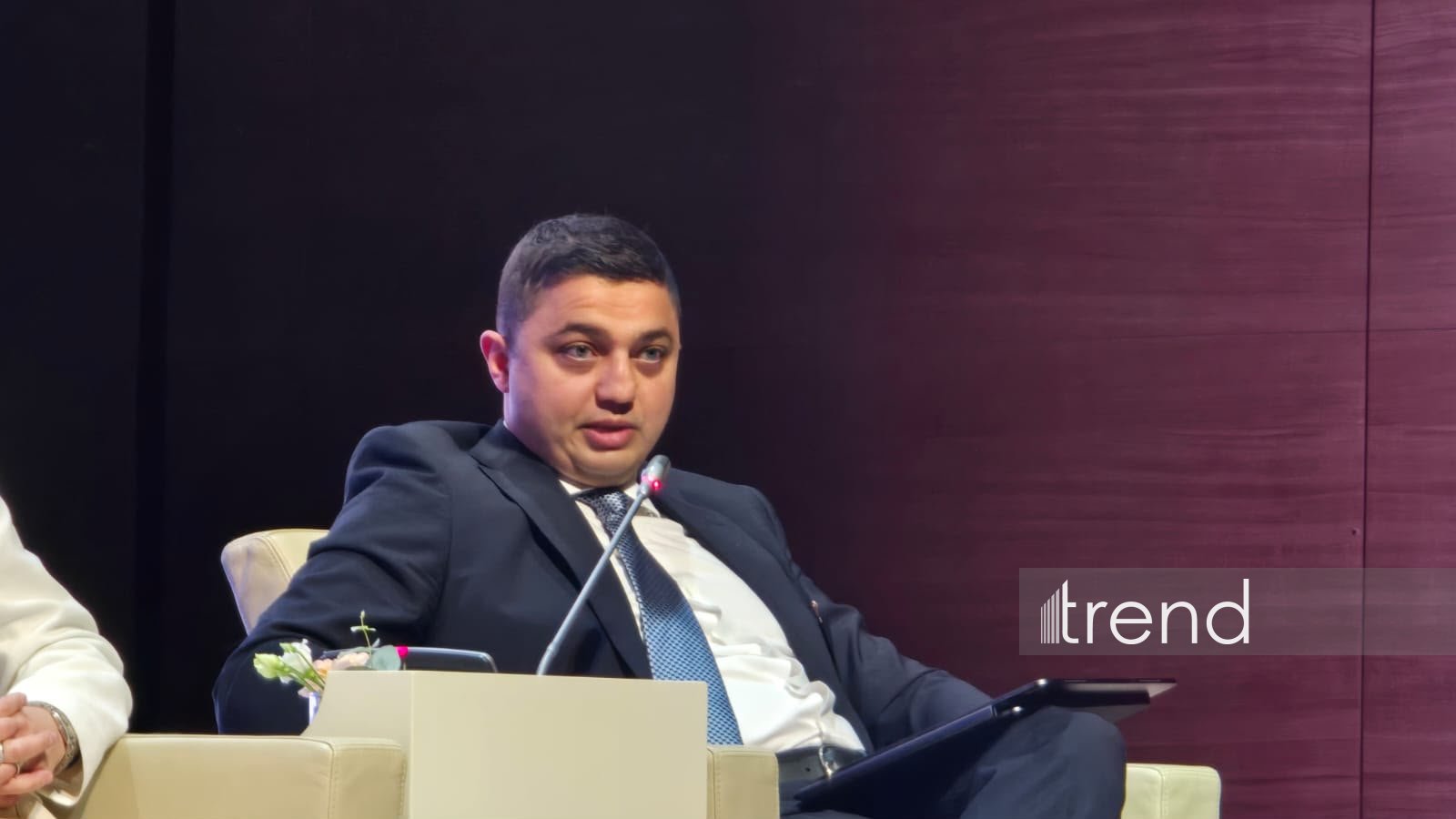

BAKU, Azerbaijan, June 2. “Green” electricity has the potential to become a certifiable, tradable, and financeable asset, provided that metering systems and a transparent infrastructure are developed, Aslan Ibrahimov, a Partner in Deloitte’s Strategy, Risk, and Transactions (SR&T), said during a panel discussion held as part of Baku Energy Week, Trend reports.
According to him, given the current state of the energy transition and in the context of COP29 in Baku, the key issue is the further development of mechanisms that go beyond basic “green” electricity generation.
Ibrahimov emphasized that to effectively harness Azerbaijan’s potential in this area, it is important to transform the environmental characteristics of electricity into tools for certification, trade, and financing, including the mechanisms of Article 6 of the Paris Agreement.
According to him, Article 6 is viewed by many market participants primarily as a carbon trading tool; however, in practice, it constitutes a more complex system requiring clear rules for accounting for and distributing environmental benefits. Without a developed system of accountability and the establishment of ownership rights for environmental outcomes, market functioning is hindered, whereas with such infrastructure in place, climate outcomes can become fully-fledged financial assets.
He also emphasized that countries should not rush to export all “green” energy attributes, as they have varying levels of value. “First, it is necessary to determine how ‘green’ electricity serves national goals – energy security and industrial competitiveness – then create a certification system, and only after that monetize surpluses on the international market,” Ibrahimov noted.



